Tesla Solar Roof Cost vs. Solar Panels
Quick Answer
Solar Roof Costs Far More
Tesla Solar Roof is rarely the cheaper way to buy solar. A practical national benchmark puts Solar Roof much higher than conventional panels, with public estimates around $16 per watt for Solar Roof compared with roughly $2.50 to $3.30 per watt for standard rooftop panels before local adders. The catch is simple: Solar Roof is not just a solar system. It is also a roof replacement. So the real decision is whether you are comparing it against panels alone, or against panels plus a new roof.
In real quote reviews, I would treat Tesla Solar Roof as a premium roof-and-solar product. Traditional panels are usually the better cost play. Solar Roof starts to make sense when the existing roof is already due for replacement and the homeowner cares enough about the clean, integrated look to pay for it.
Tesla Solar Roof vs. Panels
What You Are Comparing
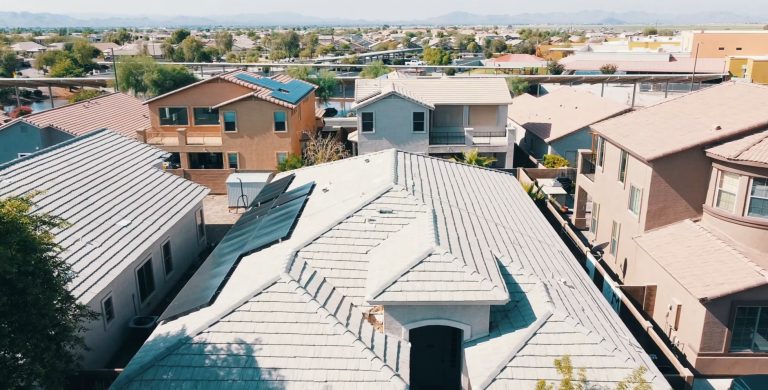
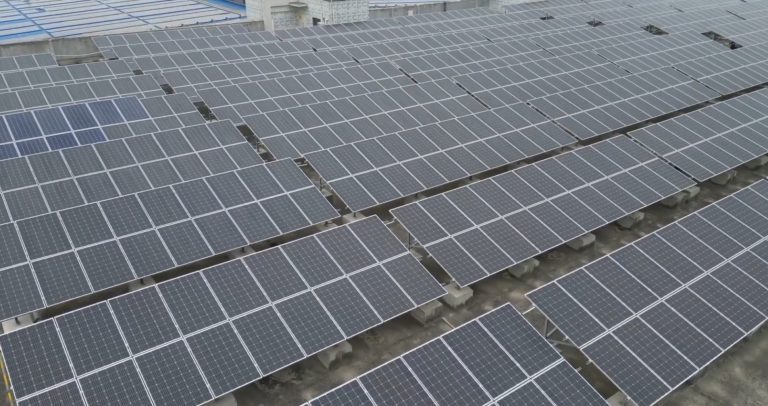
Tesla Solar Roof and conventional solar panels solve the same energy problem in very different ways. A normal panel system goes on top of the roof. The installer adds panels, racking, wiring, inverters, and electrical equipment while the roof covering stays mostly as it is.
Solar Roof is different. The roof surface itself is replaced with a mix of active solar tiles and inactive roofing tiles. That turns the job into a roofing project and a solar project at the same time.
This is where people get tripped up. If your current roof is in good shape, panels are competing against Solar Roof as a solar investment. In that case, panels usually look much better on cost. If your roof is already worn out, Solar Roof should be compared against the cost of a new roof plus a conventional solar system.
Why Direct Price Comparisons Mislead
A homeowner may look at a $30,000 panel quote next to a much larger Solar Roof quote and think the answer is obvious. Sometimes it is. But the comparison may still be incomplete.
If the panel quote leaves out roof replacement, roof repairs, future panel removal, or service-panel upgrades, that lower number may not represent the full project. On the other hand, Solar Roof is not automatically a smart deal just because it combines roofing and solar. A complicated roof can push the cost up fast.
Cut-up rooflines, dormers, skylights, vents, valleys, and steep sections all matter. With Solar Roof, they can affect the tile layout, labor, and final scope in a bigger way than many homeowners expect.
From a contractor’s point of view, the cleanest comparison is not “Solar Roof versus solar panels.” It is “Solar Roof versus the exact roofing and solar work I would otherwise have to buy.” That is the number that keeps the decision honest.
Cost Comparison Table
Side-by-Side Cost View
This table keeps the comparison where it belongs: cost, scope, and risk. The numbers are planning benchmarks, not promises. Local labor, roof shape, electrical work, and quote terms can move the final price.
| Comparison Point | Tesla Solar Roof | Traditional Solar Panels |
|---|---|---|
| Typical cost basis | Roof replacement plus solar generation | Solar system installed on existing roof |
| Estimated cost per watt | About $16/W in public cost analysis | Often around $2.50-$3.30/W before local adders |
| Roof replacement included | Yes, because the roof surface is replaced | No, unless separately added to the project |
| Quote complexity | High; roof geometry strongly affects scope | Moderate; still affected by roof layout and electrical work |
| Best fit | Homeowners replacing a roof who want an integrated look | Homeowners seeking lower-cost solar production |
| Main financial risk | Paying a large design premium without enough roof value | Ignoring roof replacement or removal costs later |
The takeaway is blunt: panels usually win on solar cost. Solar Roof needs to be judged as a roof-and-solar upgrade, not as the cheapest way to make electricity on your roof.
Average Cost per Watt
Why Cost per Watt Matters
Cost per watt cuts through a lot of sales noise. It shows what you are paying for each watt of solar capacity. If one option is near $3 per watt and another is estimated around $16 per watt, the higher-priced option has to justify itself somewhere else.
For Tesla Solar Roof, that “somewhere else” is the roof replacement, the integrated appearance, and the premium product design. For conventional panels, the value is more direct: produce electricity at the lowest practical installed cost.
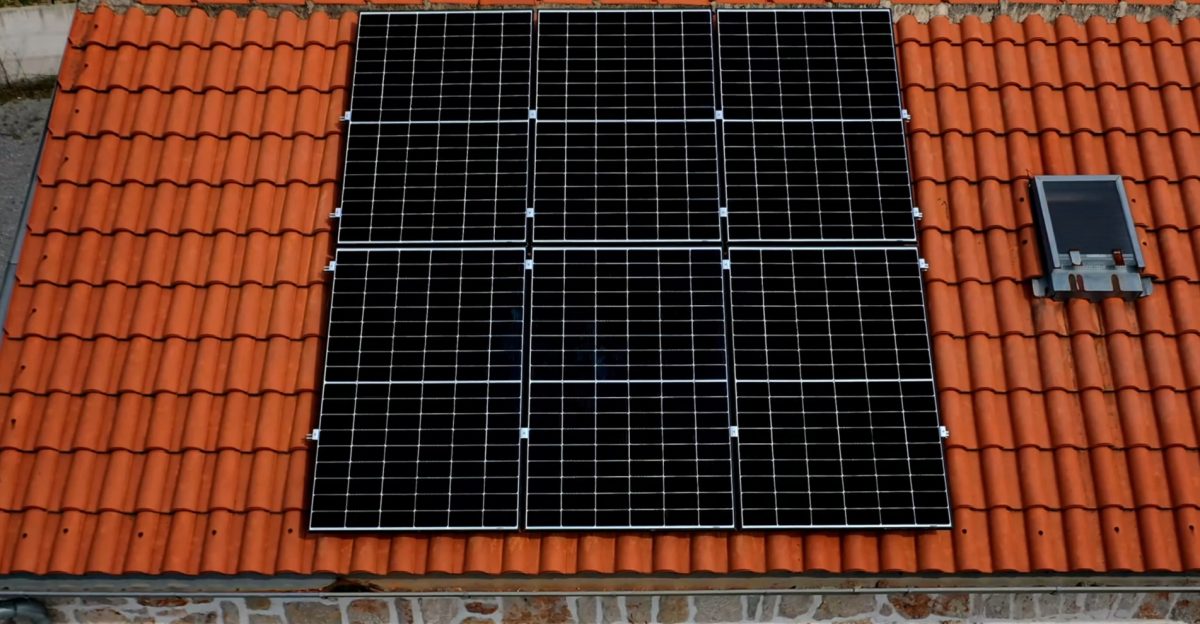
As a working benchmark, conventional solar panel systems often land around $2.50 to $3.30 per watt before incentives and unusual adders. An 8 kW system at that range would roughly fall in the low-to-mid $20,000s before incentives. Some markets will be lower. Some will be higher.
Why Solar Roof Costs More
Solar Roof costs more because it is doing more than holding panels above shingles. The roof covering is part of the solar product. That means removal, roof detailing, flashing, tile layout, waterproofing, electrical work, and finish quality all matter.
The roof itself becomes a cost driver. A simple roof plane is one thing. A steep, chopped-up roof with dormers, skylights, plumbing vents, and multiple valleys is another. Those details can change labor and layout.
Most people miss this part: a Solar Roof quote is not just pricing a solar array. It is pricing a custom roof surface that also generates electricity.
Why Panels Usually Win
If your roof is still serviceable, traditional panels usually make more financial sense. You are not paying to replace a roof that does not need replacing. The project stays focused on solar production.
That is why panels usually have the cleaner payback story. Lower installed cost per watt gives the savings a better chance of catching up with the investment.
Solar Roof can still be the right choice for some homes. But it should not be sold to yourself as the budget option. It is a premium option.
Total Project Cost
Panels Are Usually Solar-Only
A conventional 8 kW panel system using a $2.74 to $3.30 per watt planning range would come in around $21,900 to $26,400 before incentives and project-specific adders. That is not a universal quote. It is a practical benchmark.
Real bids move because of equipment, labor, utility rules, roof access, financing structure, and electrical conditions. Still, the panel quote is usually easier to understand. You are buying a solar system for an existing roof.
That simplicity matters. It makes competing quotes easier to compare.
Solar Roof Combines Scopes
Solar Roof bundles work that is usually separated. Roofing and solar become one project. That can be useful, but it also makes the price harder to judge.
A Solar Roof quote may include tear-off, active solar tiles, inactive roof tiles, underlayment, flashing, trim details, electrical work, and roof-specific design. Looking only at the total price does not tell you whether the solar portion is a good value.
Do not treat the full Solar Roof price as if it were only a solar price. That makes it look worse than it may be when the roof truly needs replacement. But do not give it free credit for replacing a roof that still has useful life left.
When a New Roof Changes Math
If the roof is near the end of its life, the panel path may require two purchases: a new roof and a solar system. That changes the comparison.
Solar Roof may still cost more. Often it will. But at least the comparison becomes fair. You are no longer stacking a full roof-and-solar product against a solar-only quote.
In practice, I want to see three numbers before taking the decision seriously: a roofing quote, a conventional solar quote, and a Solar Roof quote based on the same assumptions. Without that, the homeowner is usually comparing a finished project to a partial one.
When Solar Roof Makes Sense
Your Roof Needs Replacement
Solar Roof deserves its strongest consideration when the roof already needs to be replaced. In that case, the homeowner is not inventing a roofing project just to get solar. The roofing expense is already coming.
That does not automatically make Solar Roof cheaper. It simply puts it in the right comparison set. The decision becomes: should I buy a standard roof and panels, or one integrated roof-and-solar system?
You Want Integrated Design
The clean look is the main reason many people consider Solar Roof. Some homeowners simply do not want visible panels. For certain houses, remodels, and design-sensitive neighborhoods, that matters.
There is nothing wrong with paying for appearance if you know you are paying for appearance. The problem starts when that design premium gets dressed up as pure energy savings.
A contractor can help price the roof and solar work. The homeowner has to decide what the finished look is worth.
Visible Panels Are a Dealbreaker
Some homeowners will not install solar if the only option is a visible panel array. Others worry about homeowner association rules or curb appeal. Rules vary, and assumptions can get expensive, so local requirements should be checked before either option is chosen.
If visible panels are a dealbreaker, Solar Roof may keep the project on the table. But that changes the question. You are no longer asking for the cheapest solar. You are asking what it costs to get solar without the look of standard panels.
You Are Comparing Premium Options
Solar Roof looks more reasonable when the alternative is a premium roof plus panels. It looks less reasonable when the alternative is a basic roof that still has years of service left.
That is why the quality and timing of the roof replacement matter. Comparing Solar Roof against the cheapest possible roofing path can skew the decision. So can comparing it against panels only when a roof replacement is already unavoidable.
When Panels Are Better
Your Roof Still Has Life
If the roof is in good condition, panels usually have the stronger financial case. You avoid replacing a roof before its time. You also keep the job narrower and easier to bid.
This is one of the clearest decision points. A good roof plus a competitive panel quote will usually beat Solar Roof on cost.
Lowest Cost per Watt Matters
If the goal is low-cost solar production, conventional panels usually win. A system in the $2.50 to $3.30 per watt planning range is in a very different cost category from an integrated roof product estimated much higher.
That lower cost per watt often gives panels a better savings profile. The roof still needs to be suitable. The design still needs to be good. But the starting economics are usually stronger.
You Want More Quote Competition
Standard solar panels are offered by many installers in most U.S. markets. That gives homeowners more leverage. You can compare equipment, warranties, labor quality, reviews, financing, and workmanship terms.
Solar Roof is more specialized. That can limit apples-to-apples shopping. When there are fewer comparable bids, the contract details matter more.
You Want Simpler Payback
Panel payback is not perfect math, but it is cleaner math. You compare system cost, production, utility rates, incentives, and financing.
Solar Roof adds roofing value and design value. Those are real, but they are harder to measure. If you want the clearest cost-versus-savings calculation, panels are usually easier to evaluate.
Quote Comparison Criteria
Compare Gross and Net Price
Start with the gross price. Always. Then look at the net price after incentives, rebates, and financing assumptions. If one quote shows a discounted number and the other shows the full project cost, the comparison is already crooked.
Be especially careful with older federal tax credit assumptions. For 2026 decisions, do not casually subtract an old 30% credit unless the project timing and eligibility support it. If a quote uses incentive math, ask for the undiscounted price right next to it.
Separate Roofing From Solar
Try to separate the roofing value from the solar value. Solar Roof may not break into perfect line items, but the homeowner still needs to know what is being bought.
For panel quotes, ask a direct question: does the roof need repairs or replacement before installation? If yes, that cost belongs in the comparison. Leaving it out makes the panel path look cleaner than it really is.
Check Batteries and Upgrades
Batteries can distort the comparison fast. So can main panel upgrades, trenching, roof repairs, and unusual access work.
A Solar Roof quote with battery storage should not be compared against a panel quote with no battery. A solar-only quote should not be compared against a roof-and-solar quote that also includes electrical upgrades. Line up the scopes before you line up the prices.
- Confirm the system size in kW for each quote.
- Check whether battery storage is included or excluded.
- Ask whether roof tear-off, decking repair, or flashing work is included.
- Separate electrical upgrades from the base solar price.
- Compare cash price before comparing financed payments.
This is basic quote discipline. It prevents the most common mistake: comparing two totals that do not include the same work.
Ask About Quote Changes
With Solar Roof, early pricing should be treated carefully until the roof has been properly assessed. Roof planes, pitch, obstructions, and access can all affect the final scope.
There is public history around Solar Roof price changes, including reported cases where initial pricing increased sharply after further review. That does not mean every project will change. It does mean the homeowner should ask what is firm, what is provisional, and what could trigger a price revision.
Compare Warranty Coverage
Warranty comparison is not just about solar output. With Solar Roof, the roof surface and water protection are part of the product. With conventional panels, pay close attention to workmanship, roof penetrations, flashing, racking, inverter coverage, and leak responsibility.
A cheaper quote with weak workmanship terms can become expensive later. That is especially true when roof work and solar work overlap.
Risks, Mistakes, and Limits
Comparing the Wrong Scope
The biggest mistake is simple: comparing a full Solar Roof project to a partial panel project. If the roof needs replacement, a panel-only quote is missing a major cost. If the roof does not need replacement, Solar Roof may include a major cost you do not actually need right now.
Either mistake can swing the decision by thousands of dollars. Sometimes more.
Treating Solar Roof as Cheap Solar
Solar Roof is not usually the cheapest way to produce solar power. The cost structure is too different. It is better understood as a premium roof system that also generates electricity.
That framing keeps expectations realistic. If your main goal is the lowest payback path, panels usually start ahead. If your goal is a new roof with an integrated look, Solar Roof belongs in the conversation.
Ignoring Quote Volatility
A complicated roof can change everything. Multiple planes, skylights, vents, dormers, steep pitches, and access issues are not small details on a Solar Roof project. They can affect layout, labor, schedule, and price.
Before signing, ask what has been physically reviewed, what is still assumed, and what could change the final cost. If the answer is vague, slow down.
Assuming Old Tax Credit Math
Many solar calculators and older articles still reflect past federal credit assumptions. That can make a quote look better than it really is.
For any current decision, use the gross price first. Then verify incentives based on the actual tax year, placed-in-service timing, and current eligibility rules. Do not let a sales worksheet do the tax thinking for you.
Local Factors Still Matter
National benchmarks are useful for screening quotes. They are not a substitute for local bids.
Labor rates, utility requirements, permitting, roof access, electrical service condition, financing terms, and installer availability can all move the final price. If a quote is far outside the expected range, it needs a clear explanation. If it falls inside the range, it still needs a scope review.
Practical Decision Framework
Choose Solar Roof When
Choose Solar Roof when the roof already needs replacement, the integrated look has real value to you, and the quote is being compared against a realistic alternative: new roof plus conventional panels.
It also makes more sense when visible panels would stop the project altogether. In that case, the design value is part of the purchase. Name it honestly. Do not hide it inside an energy-savings calculation.
Choose Panels When
Choose traditional panels when the roof is in good condition and the goal is lower-cost solar production. Panels also make sense when you want more installer competition, clearer pricing, and a simpler cost-per-watt comparison.
Panels do not have to be perfect. They just have to fit the roof, the budget, and the homeowner’s priorities. On many homes, they do.
Compare Roof Plus Panels
If the roof is near replacement age, get a roofing quote before deciding. Then compare three paths: wait, replace the roof and add panels, or install Solar Roof.
That sounds basic, but it changes the decision. You stop comparing brand stories and start comparing real project scopes.
| Decision Scenario | Better Starting Point | Reason |
|---|---|---|
| Roof is in good condition | Traditional panels | Lower solar cost without unnecessary roof replacement |
| Roof needs replacement soon | Roof plus panels vs. Solar Roof | Both paths include roofing value |
| Appearance is top priority | Solar Roof | Integrated design may justify premium |
| Lowest payback is top priority | Traditional panels | Lower cost per watt usually improves economics |
| Complex roof layout | Multiple detailed quotes | Complexity can change Solar Roof and panel pricing |
The practical takeaway is to define the problem first. If the problem is high electric bills, panels usually have the advantage. If the problem is an aging roof plus a strong preference for a premium integrated finish, Solar Roof deserves a closer look.
Get the Right Quotes
The best comparison includes a conventional solar quote, a roofing quote if roof replacement is relevant, and a Solar Roof quote based on a real roof assessment. Without those numbers, you are comparing guesses.
For financed projects, compare the cash prices first. Monthly payments can hide dealer fees, interest costs, and loan-term differences. Once the cash comparison is clear, then evaluate financing.
FAQ
Is Tesla Solar Roof cheaper than panels?
Usually not. Public cost benchmarks put Solar Roof much higher per watt than conventional panels. Solar Roof becomes more competitive only when the comparison includes roof replacement value, and even then it needs to be checked against a separate new roof plus panel quote.
Is Solar Roof worth it with a new roof?
It can be worth pricing if the roof truly needs replacement. The fair comparison is Solar Roof against a new roof plus conventional panels. If the existing roof is still in good condition, Solar Roof is harder to justify on cost alone.
Why does Solar Roof cost more?
It costs more because it replaces the roof surface and adds solar generation in the same project. Roof shape, pitch, obstructions, tear-off work, tile layout, and electrical integration can all affect the final number.
Should I compare Solar Roof to panels only?
Only if your roof does not need replacement. If the roof is near the end of its life, compare Solar Roof against the combined cost of a roof replacement and a panel system. Otherwise, the panel option may look cheaper because part of the needed work is missing.
Do incentives apply the same way?
Do not assume they do. Incentive rules depend on project timing, eligibility, and current tax law. Any quote that uses incentive savings should also show the full gross price so you can compare the real project cost before discounts.