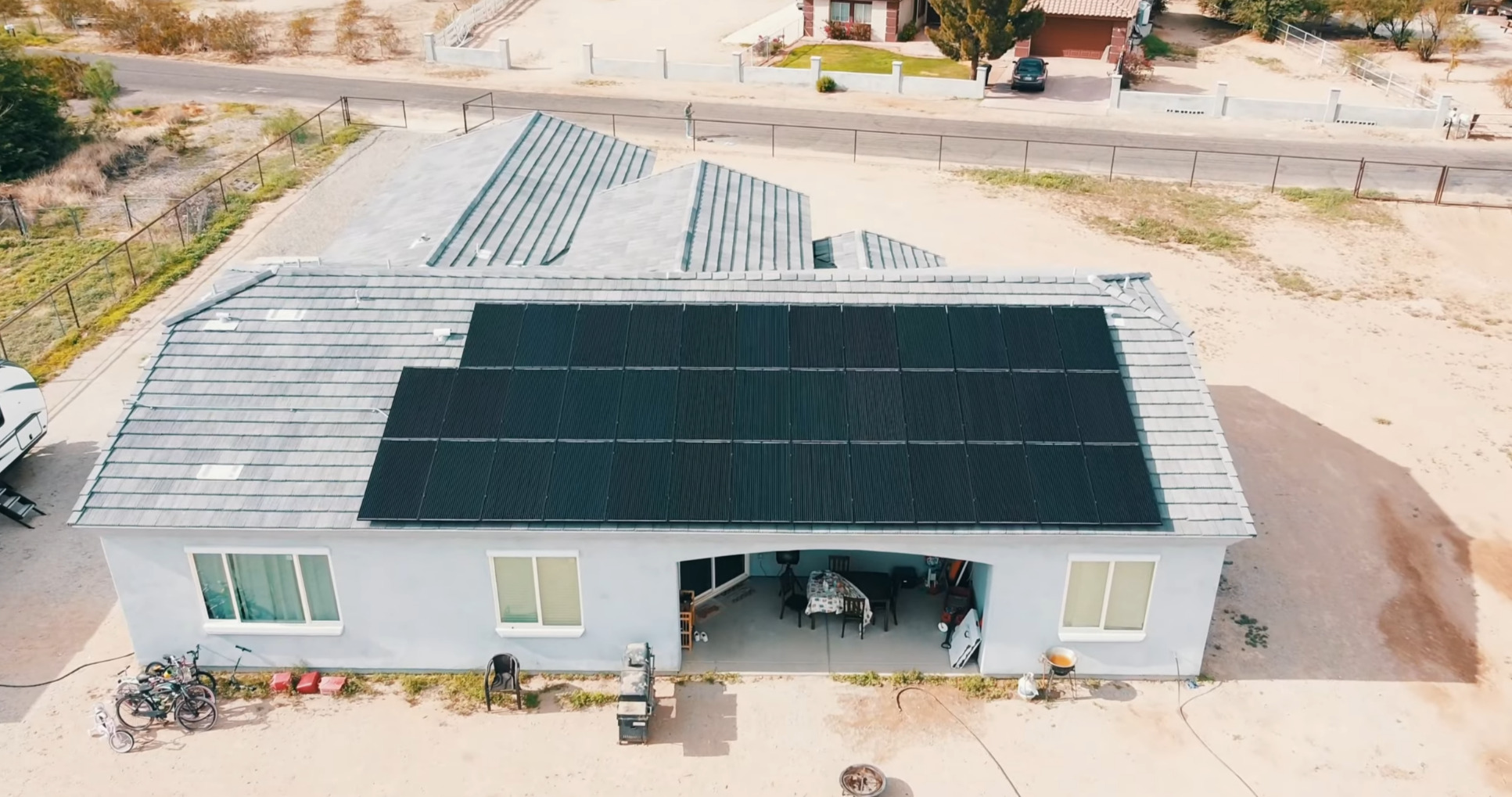
How Much Does It Cost to Put Solar Panels on a Roof?
Quick Answer
Installing solar panels on a roof usually costs about $2.50 to $3.50 per watt before incentives. For many homes, that puts the installed price somewhere around $15,000 to $25,000 before tax credits or local rebates. A smaller 5kW roof system may land around $12,500 to $17,500. An 8kW system often falls closer to $20,000 to $28,000. But the real question is not just, “Can I afford solar?” The better question is, “Is my roof ready for solar?” If the roof is old, shaded, fragile, chopped up by vents and dormers, or likely to need replacement soon, a cheap solar quote can turn into an expensive mistake.
In the field, roof condition causes more trouble than panel quality. Solar panels may stay on the house for 25 to 30 years. If the roof underneath has only a few good years left, the homeowner is setting up a future removal and reinstallation bill. A typical practical benchmark for solar panel removal and reinstallation during roof work is about $1,500 to $6,000, depending on system size, roof access, wiring, and who is responsible for the work.
Main Explanation
The cost to install solar panels on a roof is not just the cost of the panels. It includes racking, roof attachments, flashing, wiring, inverters, permits, inspection, utility approval, design labor, installation labor, and contractor overhead. The roof controls a lot of that cost. A clean, walkable asphalt shingle roof is one job. A steep tile roof with fragile material and difficult access is another job entirely.
Most people miss this part. The roof is not just a surface. It is the platform that has to carry the system through wind, rain, heat, service calls, and future maintenance. If the roof is not ready, the solar project is not ready either.
Solar Panels Are One Cost
The panels are only one line item in a roof solar project. A complete installation also includes racking, flashed roof mounts, inverters or module-level electronics, wiring, disconnects, conduit, monitoring, permits, inspections, and labor. On a straightforward roof, these costs are predictable. On a difficult roof, the labor and risk go up fast.
This is why cost per watt matters. If a 7kW system costs $21,000, the installed price is $3.00 per watt. If another 7kW system costs $28,000, the price is $4.00 per watt. The higher number might be justified. Maybe the roof is steep. Maybe the home needs electrical work. Maybe the system uses more expensive equipment. Or maybe the quote is simply padded. The homeowner needs enough detail to tell the difference.
Roof Factors Change Quotes
Roof age, roof material, pitch, height, shading, attic structure, and roof penetrations all affect the price. Asphalt shingles are usually the easiest common roof type for solar. Standing seam metal roofs can also be very solar-friendly because some systems clamp to the seams without penetrating the roof surface. Tile, slate, and flat membrane roofs need more careful handling.
Access matters too. A one-story, low-slope roof is not priced like a steep two-story roof. A roof broken up by vents, skylights, chimneys, dormers, valleys, and small planes may fit fewer panels than expected. Fire access rules can also reduce usable space. This is where problems usually start: the sales estimate assumes a clean roof, but the actual roof is not clean at all.
Cash, Loan, Lease, or PPA
A cash price is usually the easiest number to compare because it shows the true installed cost. A loan can make the monthly payment look manageable, but it may also hide dealer fees, interest, or a higher financed contract price. A low monthly payment does not automatically mean a good deal.
Leases and power purchase agreements can reduce upfront cost, but they add another layer of roof responsibility. If the roof needs replacement later, who removes the panels? Who pays? Who schedules the work? Who protects the warranty? These are not small details. They become very real when a roofer is standing there and the solar equipment is in the way.
Cost Section
A practical roof solar budget starts with system size. A typical residential installation often falls around $2.50 to $3.50 per watt before incentives. That means a 5kW system, an 8kW system, and a 10kW system should not be compared by total price alone. They are different jobs with different output and different roof demands.
The homeowner also needs to separate the base solar installation from roof repairs, reroofing, electrical upgrades, battery storage, tree work, critter protection, and future removal costs. All of those may be legitimate costs. They just need to be visible.
Average Costs Around $2.50/W
A realistic installed range for many residential roof solar projects is about $2.50 to $3.50 per watt before incentives. At that range, a 6kW system would land around $15,000 to $21,000. A 10kW system would land around $25,000 to $35,000. Local labor, roof type, access, permitting, electrical work, and installer pricing can push the number up or down.
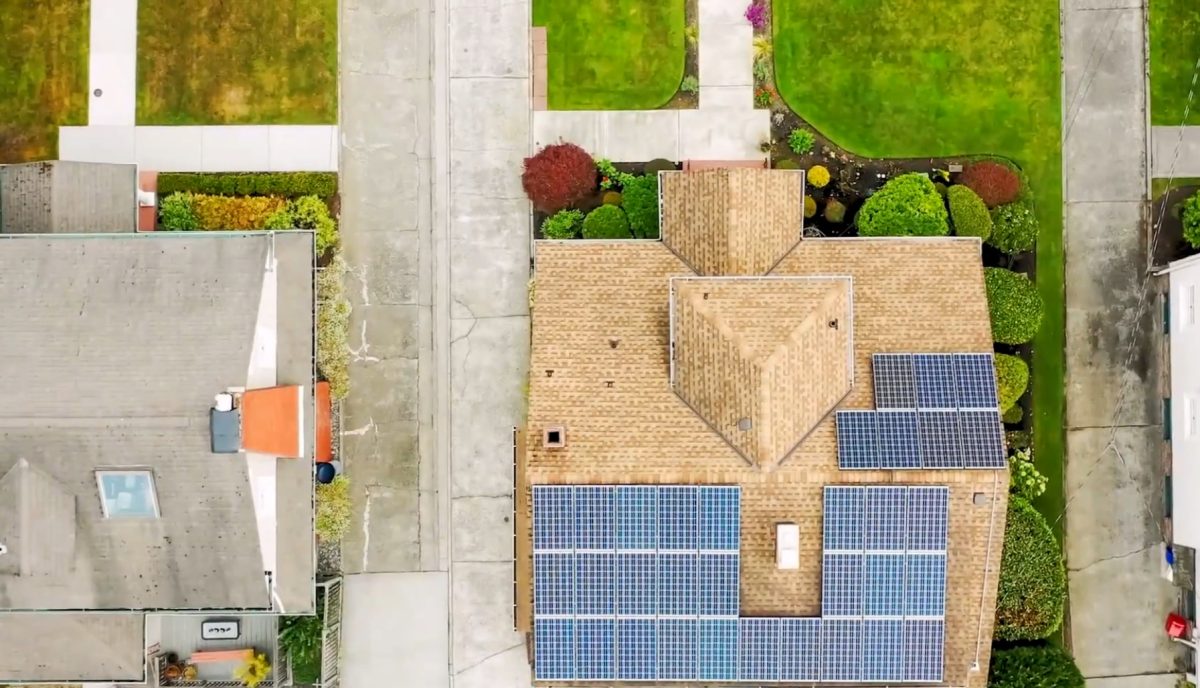
Cost per watt is not perfect, but it is useful. It keeps the comparison honest. A quote that looks expensive may be fair if it includes roof complexity or electrical upgrades. A quote that looks cheap may exclude important work. Ask what is included before treating any number as final.
5kW System Costs
A 5kW roof solar system commonly estimates around $12,500 to $17,500 before incentives using the $2.50 to $3.50 per watt range. This size may fit a smaller home, a low-usage household, or a homeowner trying to offset only part of the electric bill. If roof space is tight, the installer may need higher-output panels or a more careful layout to make the system fit.
For a small system, future roof work can hurt the economics quickly. If the homeowner later spends $1,500 to $6,000 to remove and reinstall panels for a reroof, that cost is large compared with the original system size. If the roof is already questionable, installing solar first is usually the wrong order.
8kW System Costs
An 8kW roof solar system often estimates around $20,000 to $28,000 before incentives. This is a common size for homes with moderate to higher electric use. At this point, panel count and roof layout become more important. A simple rectangular roof plane can usually take an array more efficiently than a roof cut up by vents, dormers, and shade.
The important number is not just system size. It is expected production. An 8kW system on a shaded roof will not behave like an 8kW system on a clean, sunny roof. If the quote does not account for shade, orientation, and actual roof plane, the savings estimate may be too optimistic.
10kW System Costs
A 10kW roof system commonly estimates around $25,000 to $35,000 before incentives. At this size, the array may use a large share of the available roof. Fire setbacks, plumbing vents, attic vents, chimneys, skylights, and roof valleys can create layout problems. Sometimes the installer has to split panels across multiple roof planes, which can make design and wiring more involved.
Larger systems also make electrical review more important. The roof is the part everyone sees, but the electrical panel and utility connection still have to support the installation. A main electrical panel upgrade tied to solar can run about $1,500 to $4,000 as a practical estimate. If that is not included in the quote, the homeowner needs to know before signing.
12kW Systems Before Incentives
A 12kW residential roof system can land around $30,500 before incentives as a practical market benchmark, though the actual price can vary widely. Large systems need enough usable roof area, good sun exposure, and a layout that does not force too many panels onto weak roof planes. They also deserve closer review in areas with snow load or high wind requirements.
The bigger the system, the bigger the future service issue. More panels mean more mounts, more wiring, more equipment, and more labor if the roof ever needs major work. Before approving a large system, the homeowner should know the roof age, remaining roof life, mounting method, leak coverage, and removal policy.
Costs After Incentives
Incentives can reduce the net cost of solar, but they do not make a bad roof good. Federal, state, local, and utility incentives vary by location and tax situation. The smart way to evaluate a quote is to look at the pre-incentive price first, then calculate the after-incentive price separately.
This keeps the decision clear. A weak quote can look better once tax benefits are shown, but the roof risk is still there. Incentives do not pay for poor flashing, bad layout, early reroofing, or unrealistic production estimates.
Hidden Costs
The costs that surprise homeowners usually come from items not discussed clearly at the start. Roof repairs, structural review, main electrical panel upgrades, tree trimming, critter guards, conduit rerouting, and future solar removal can all affect the real cost. For roof work, removal and reinstallation often runs about $1,500 to $6,000 as a practical range. Critter guard removal and reinstall may add roughly $200 to $500. Conduit rerouting during a reroof may run about $300 to $800.
None of these are automatically red flags. They may be normal for the project. The problem is when they are missing from the quote. If a proposal does not explain roof penetrations, roof leak responsibility, future removal, or exclusions, the homeowner is carrying unknown risk.
What Affects Cost
Roof solar pricing changes when labor, safety risk, waterproofing risk, or layout difficulty changes. Two homes with the same electric bill can need very different solar designs because the roofs are different. This is why a quote should be judged against the actual roof, not just the system size.
A higher quote may be reasonable on a difficult roof. A lower quote may be risky if it ignores problems. The job is to figure out which one you are looking at.
Roof Size and Usable Area
Roof size and usable solar area are not the same thing. A large roof can still be poor for solar if it has too much shade, too many obstructions, poor orientation, or small broken-up planes. Fire access pathways and local setback rules can also reduce where panels can go.
Usable area affects cost because constrained roofs may need higher-output panels or more complex layouts. If the array has to be split across several roof planes, wiring and design may take more time. Homeowners should ask to see the proposed layout. Do not rely only on the system size printed on the quote.
Pitch, Height, and Difficulty
Roof pitch affects safety, labor, and sometimes production. Many roof solar systems perform well on slopes around 15 to 40 degrees, but the right angle depends on the home, location, and design. Very steep roofs are harder and riskier to work on. Flat roofs may need tilted racking, ballast, or engineered attachments.
Height adds cost too. A low, single-story roof is easier to stage than a steep two-story roof. More fall protection, more setup time, and harder access all affect labor. That does not mean solar is a bad idea. It means the quote should reflect the real job.
Roof Material Differences
Asphalt shingles are usually the most straightforward common roofing material for solar. Standing seam metal can also be a strong candidate because some mounting systems clamp to the seams. Corrugated metal, tile, slate, and flat membrane roofs can work, but they need the right mounting method.
Tile and slate deserve extra caution. They are not automatic deal-breakers, but they are less forgiving. Tile can crack. Slate can be expensive to repair. A crew that treats every roof like asphalt shingles can create problems fast.
Roof Age and Replacement
If the roof has less than about 10 years of useful life left, replacing it before solar is often the cleaner financial move. Solar panels may stay on the house for 25 to 30 years. A roof that is already near the end of its life will probably interrupt that timeline.
Do not guess on roof condition. Curling shingles, active leaks, soft decking, worn flashing, moisture in the attic, or old underlayment should be addressed before solar goes on. A roof inspection is not just paperwork. It can prevent a very expensive do-over.
Shading and Layout Complexity
Shade can wreck a savings estimate. Trees, chimneys, dormers, nearby buildings, and seasonal sun angles all matter. A quote that assumes clean sun on a roof with real shading is not a reliable quote.
Complex roof layouts create a different problem. The system may fit on paper but produce less than expected because panels are forced onto weaker roof planes. Before signing, ask whether the production estimate uses actual roof conditions, not just a generic model.
Electrical and Utility Costs
Some solar projects need electrical upgrades. A main panel upgrade tied to solar may cost around $1,500 to $4,000 as a typical estimate. Utility interconnection, disconnects, conduit routing, and inspection requirements can also affect the total price.
These are not roofing costs, but they are part of the installed solar cost. A quote that excludes needed electrical work is not comparable to one that includes it. Ask what is included, what is estimated, and what could become an added charge.
Battery Add-Ons
Batteries can increase the project budget substantially, but they should be priced separately from the roof-mounted solar system. A battery may help with backup power or time-of-use rates. It does not fix a bad roof, poor orientation, shading, or an old roof surface.
If a quote includes storage, ask for two numbers: solar only and solar plus battery. That makes the roof solar cost easier to judge. Otherwise, the battery can blur the real price of the roof installation.
Practical Installation Considerations
Before solar goes on the roof, the homeowner should confirm roof condition, structural suitability, mounting method, waterproofing approach, panel layout, access, and warranty responsibility. These details are not flashy. They are what keep the job from becoming a mess later.
A good solar installation starts before the first mount is drilled or clamped. The site visit should identify roof age, roof material, shade, usable area, wiring path, obstructions, access limits, and any condition that could affect inspection or long-term service.
Roof Load Around 2–4 lbs
A typical solar array with racking adds about 2 to 4 pounds per square foot to the roof. Most sound roofs can handle that kind of added dead load, but no one should assume every roof is sound. Older framing, storm damage, heavy snow areas, and unusual construction deserve closer review.
The load question is not only about panel weight. Wind uplift, attachment spacing, snow load, roof framing, and local code requirements all matter. If the installer or engineer sees a structural issue, fix it before the solar installation. Waiting is not cheaper if the permit fails or the roof needs reinforcement later.
Roof Inspection First
A pre-solar roof inspection should look at shingle condition, leaks, flashing, decking, attic moisture, underlayment concerns, and signs of movement or damage. A quick look from the driveway is not enough on an older roof. If the roof is in the second half of its expected life, take the inspection seriously.
A roof inspection may cost around $300 to $600 as a typical estimate, depending on the market and scope. That is small compared with removing panels later because the roof should have been replaced first.
Direction, Sun, and Placement
South-facing roof planes with good sun exposure are often strong candidates, but east and west planes can also work depending on the home and utility rate structure. What matters is whether the production estimate matches the real roof. A perfect-sun estimate on an imperfect roof is not useful.
Panel placement has to work around vents, skylights, ridges, setbacks, and shaded areas. A packed layout may look efficient, but it still has to pass inspection and allow roof access where required. Review the actual array drawing before signing.
Pitch and Mounting Needs
Mounting methods depend on roof material and slope. Asphalt shingles usually use flashed attachments. Standing seam metal may use clamps. Tile roofs may need tile hooks, replacement flashing, or other specialized methods. Flat roofs may need tilted racks, ballast, or engineered attachments.
The bad version is simple: generic penetrations, sloppy layout, and sealant used as the main waterproofing strategy. Sealant has its place, but it should not be the only thing keeping water out. Proper flashing and manufacturer-approved mounting details matter.
Panel Count and Fit
Panel count depends on system size, panel wattage, usable roof space, and layout restrictions. A homeowner should not assume the roof can fit enough panels to offset the whole electric bill. Some roofs cannot do that cleanly.
This matters for homebuyers too. A house with solar panels is not automatically a house with low electric bills. Ask for production history, system size, ownership status, and roof condition. The array may look impressive and still be undersized, shaded, or poorly placed.
Permits and Timeline
Roof solar projects usually require permits, inspections, and utility approval. Fire access rules, electrical requirements, local code, and utility procedures can all affect the final layout. If the first design ignores those rules, the project may stall or need redesign.
Delays often come from late discoveries: roof repairs, electrical upgrades, HOA review, utility requirements, or layout changes. The cleanest jobs identify those issues early. The rushed jobs usually pay for it later.
Pros and Cons
Roof solar can be a strong long-term investment when the roof is suitable and the quote is honest. It can also be a poor decision when the roof is old, shaded, fragile, or priced with missing scope. The technology may be good. The project can still be wrong for the house.
That is the part homeowners need to separate. Solar is not automatically smart or foolish. It depends on roof condition, installed cost, production, financing, and service responsibility.
| Side | What It Means | Roof-Specific Reality |
|---|---|---|
| Pro | Lower electric bills | Best when roof has strong sun exposure and limited shading |
| Pro | Long service life | Works best when roof life matches panel life |
| Pro | Potential home value benefit | Stronger when system ownership and roof condition are clear |
| Con | High upfront cost | Commonly $15,000 to $25,000 or more before incentives |
| Con | Roof access complications | Future reroofing may require $1,500 to $6,000 removal and reinstall |
| Con | Performance uncertainty | Shade, orientation, and roof pitch can reduce production |
Pros
The best case for roof solar is a home with a solid roof, good sun, simple access, fair pricing, and enough electric use to justify the system. In that situation, solar can reduce utility costs for a long time and give the homeowner more control over energy expenses.
Solar is also cleaner to manage when the homeowner owns the system and has clear records. That means documentation for system size, expected production, roof mounts, warranties, permits, and future service. Those records matter later, especially when selling the home.
Cons
The downside is that roof solar is not easy to move once installed. If the roof leaks under the array, the panels may block access. If the roof needs replacement, the system usually has to be removed, stored, and reinstalled by a qualified crew.
There is also quote risk. A homeowner can overpay, finance too much, install on a weak roof plane, or accept a production estimate that does not reflect real shade. Any one of those can stretch the payback and create frustration.
Is Roof Solar Worth It?
Roof solar is worth the cost when the roof is ready, the system is priced fairly, the production estimate is believable, and the homeowner expects to benefit long enough to justify the investment. It is less attractive when the roof is old, shaded, fragile, or likely to need major work soon.
The decision is part roofing, part electrical, part finance. Ignore one of those and the numbers can look better than they really are.
Payback Around 7–12 Years
Many homeowners look for a payback period somewhere around 7 to 12 years. That is a common practical range, but it is not guaranteed. Utility rates, incentives, system cost, roof orientation, shading, production, and financing all change the result.
Roof problems push payback in the wrong direction. A future removal bill, lower production from shade, or a high financed price can add years. If the quote only works under perfect assumptions, treat it carefully.
25-Year Savings Potential
Solar savings are often viewed over a 25-year window because panels are commonly expected to operate for decades. That long window is exactly why roof age matters. A 25-year solar plan installed over a roof with 7 good years left is not a clean plan.
For a newer roof in good shape, long-term savings may be realistic. For an older roof, the savings model should include removal and reinstallation risk. Otherwise, the homeowner is comparing projected savings against an incomplete cost.
When Solar Makes Sense
Solar usually makes sense when the roof has long remaining life, strong sun exposure, manageable installation difficulty, and enough usable area for a productive system. The quote should show system size, cost per watt, equipment, expected production, roof mounting method, and exclusions.
It also helps when warranty responsibility is clear. If water appears around a mount, the homeowner should not have to guess whether to call the roofer, the solar installer, or both.
When Solar Does Not
Solar may not make sense on a roof with heavy shade, poor structure, fragile material, limited usable area, or near-term replacement needs. It may also be a poor fit if the quote is inflated, the financing is expensive, or the homeowner expects to move before meaningful savings show up.
Bluntly, if the roof is too old, this is a bad idea. Replace the roof first or reconsider the timing.
Common Mistakes
Most expensive solar mistakes happen before installation. They come from weak roof review, vague quotes, rushed sales decisions, or assuming every roof is a good solar roof. The damage is usually financial, not theoretical.
The usual pattern is easy to spot. The homeowner compares monthly payments but does not compare roof risk, cost per watt, exclusions, or future service costs.
- Installing solar on a roof with less than about 10 years of life left.
- Comparing monthly payment instead of total cost and cost per watt.
- Ignoring removal and reinstallation costs for future roof work.
- Accepting a production estimate that does not account for shading.
- Signing before reviewing roof mounts, flashing, and leak warranty terms.
These mistakes have real price tags. A future panel removal and reinstall may cost about $1,500 to $6,000. A needed electrical panel upgrade may add roughly $1,500 to $4,000. Poor production can stretch payback by years. A leak under the array can require both roofing and solar labor just to diagnose the problem.
Old Roof Installation
Installing solar on an old roof is one of the most common ways to waste money. It happens because the homeowner focuses on electric bill savings and treats the roof as an afterthought. Once the panels are installed, reroofing becomes a coordinated solar-and-roofing job.
Replacing the roof first may feel painful upfront. But installing solar first and removing it a few years later is often worse. That sounds cheaper at the beginning, but it backfires.
Monthly Payment Comparisons
A monthly payment can make almost any project look manageable. That does not mean the project is priced well. Financing can include dealer fees, interest, or a higher contract amount than the cash price.
The homeowner should compare cash price, financed price, system size, cost per watt, production estimate, roof exclusions, and upgrade allowances. Without those details, the monthly number does not tell enough.
Ignoring Cost Per Watt
Cost per watt is a basic sanity check. Many residential roof installations fall around $2.50 to $3.50 per watt before incentives. A quote above that range may still be fair, but the reason should be specific.
Roof difficulty, premium equipment, electrical work, or local market conditions may explain the higher cost. Vague answers do not. If the installer cannot explain the price, that is a red flag.
Oversizing Without Usage Review
Oversizing happens when the system is designed around rough guesses or future hopes instead of actual usage, roof production, and utility rules. A bigger system costs more and takes more roof area. It is not automatically better.
A large system squeezed onto weaker roof planes may produce less than expected. The design should match the home’s usage, usable roof area, shade conditions, and local credit rules.
Skipping Warranty Checks
Solar warranties and roof warranties need to be reviewed together. Ask about panel warranties, inverter warranties, workmanship coverage, roof penetration coverage, and leak response. Do not assume all of it is covered.
Warranty fights are common when responsibility is unclear. The solar installer may blame the roof. The roofer may blame the solar mounts. The homeowner gets stuck in the middle. Written terms matter.
Assuming Every Roof Works
Not every roof is a good solar roof. Heavy shade, poor orientation, fragile materials, old roofing, weak structure, and limited usable area can all make solar less practical. Some issues can be solved. Some cannot be solved cheaply.
A professional inspection or roof safety evaluation is especially useful on older roofs, steep roofs, tile, slate, flat membrane, or roofs with visible wear. Guessing is not a plan.
How to Compare Quotes
Solar quotes should be reviewed like construction proposals, not just energy offers. The roof scope matters as much as the panel brand. Mounting, flashing, leak coverage, access, exclusions, electrical work, and future removal policy should all be clear.
Do not rely on verbal promises. If roof condition, leak protection, or future removal is important, it belongs in writing.
Compare Price Per Watt
Start with cost per watt before incentives. It makes quotes easier to compare. A $24,000 quote for an 8kW system is $3.00 per watt. A $24,000 quote for a 6kW system is $4.00 per watt. Same price, very different value.
Then look at the roof. A steep tile roof may justify a higher price than a simple asphalt shingle roof. The quote should explain the difference clearly.
Check Included Roof Work
Ask whether roof inspection, roof repairs, flashing, permits, interconnection, and electrical upgrades are included. If something is excluded, ask for a realistic allowance or note. A lower quote that leaves out required work is not really lower.
For older roofs, ask whether replacement is recommended before solar. If the answer is no, ask for written notes on roof condition and remaining-life assumptions.
Review Equipment and Warranty
Panel efficiency, inverter type, monitoring, and warranty length all matter. But they do not matter more than roof suitability. Good equipment installed on a failing roof is still a bad job.
The quote should explain workmanship coverage and roof leak responsibility. The mounts and flashing are where the roof either stays reliable or starts causing problems.
Confirm Production Estimates
Production estimates should reflect roof pitch, orientation, shading, and actual panel placement. A generic estimate can make the payback look better than it really is. Ask whether the design used shade analysis, site measurements, or real roof conditions.
If the roof has trees, nearby buildings, dormers, chimneys, or seasonal shade, the estimate needs to account for that. Otherwise, the savings number is just too clean.
Ask About Future R&R
Removal and reinstallation should be discussed before installation. Ask who removes the panels for roof replacement, what it typically costs, how long scheduling may take, where panels are stored, and how warranties are handled.
Even a good roof may need service during the life of the system. Storms happen. Repairs happen. A clear R&R policy keeps a future roof problem from becoming a bigger solar problem.
Expectation vs Reality
Many homeowners expect roof solar to be a simple equipment purchase. It is not. It is a roof-mounted construction project with electrical, structural, waterproofing, and long-term service consequences.
The gap between expectation and reality is where bad decisions happen. The table below shows the difference.
| Expectation | Reality | Financial Risk |
|---|---|---|
| The roof just holds the panels | The roof is the long-term platform for a 25-30 year system | Premature reroofing can add $1,500-$6,000 in R&R costs |
| The cheapest quote saves money | Low bids may exclude roof repairs, electrical upgrades, or difficult access | Change orders and weak installation quality |
| All roofs are suitable | Shade, age, material, pitch, and structure can limit suitability | Lower production or higher installation cost |
| Panels protect the roof | Panels may shield some areas but do not fix old roofing | Leaks or replacement under the array |
FAQ
How much does roof solar cost?
A typical residential roof solar installation often runs about $2.50 to $3.50 per watt before incentives. Many systems fall around $15,000 to $25,000, but larger systems, difficult roofs, electrical upgrades, and batteries can push the price higher.
How much does a 5kW system cost?
A practical estimate for a 5kW roof solar system is about $12,500 to $17,500 before incentives. Roof type, access, layout, local labor, permitting, and electrical upgrades can all change the final number.
Do solar panels damage roofs?
Properly installed solar panels should not damage a suitable roof. The problems usually come from poor flashing, wrong mounts, fragile roofing, old roof surfaces, or relying on sealant instead of proper waterproofing details.
Should I replace my roof first?
If the roof has less than about 10 years of useful life left, replacing it before solar is usually the safer financial move. Otherwise, the homeowner may later pay to remove and reinstall the system during roof replacement.
How much weight do panels add?
A typical solar array with racking adds about 2 to 4 pounds per square foot. Many sound roofs can handle that, but older homes, damaged framing, snow-load regions, and unusual roof structures may need closer review.
In real roof work, the best solar decision is made before the contract is signed. Check roof age, roof condition, mounting method, leak coverage, and removal policy first. Those details decide whether the system stays a good investment or becomes a roofing problem with panels attached.


