Solar Panels on Your Roof: Beginner Guide for Homeowners
Solar Panels Roof Beginner Guide
Quick Answer
Rooftop solar can be a good move if the roof is solid, sunny, and not close to replacement. A typical residential solar installation often falls around $2.74–$3.35 per watt before incentives, while removing and reinstalling panels later for roof work can cost about $200–$500 per panel. That second number is the one many homeowners miss. The real decision is not just whether solar can lower the electric bill. It is whether the roof is ready to carry, protect, and service a solar system for the next 25–30 years.
Most people start with the panels. I start with the roof. A solar array usually adds about 2–4 pounds per square foot, but weight is only one part of the risk. Roof age, leaks, fragile materials, attachment quality, flashing, shade, fire access, and future repair access matter just as much. If the roof is old, shaded, brittle, leaking, or difficult to work on safely, the solar numbers can look good on paper and still be a bad decision.
Main Explanation
What Rooftop Solar Actually Does
Rooftop solar panels turn sunlight into electricity, but that is not the part that usually causes trouble. The trouble usually starts where the solar system meets the roof. Once panels are installed, sections of the roof become harder to inspect, clean, repair, and replace. That changes the roof from a simple weather barrier into part of a long-term equipment platform.
In real-world conditions, a solar installation is a roofing project as much as an electrical project. Crews attach racking, seal penetrations, route wiring, protect roof surfaces, and leave that assembly exposed to heat, rain, wind, snow, and movement for decades. If that work is rushed or installed on a weak roof, the homeowner owns the problem long after the sales appointment is over.
The Three First Questions
The first question is simple: how much life is left in the roof? If the roof may need replacement in the next several years, installing solar first can be an expensive mistake. Later roof work usually means removing panels, storing them, replacing the roof, reinstalling the panels, and testing the system again. That is not a small add-on.
The second question is whether the roof is physically suitable. Typical solar loads are often around 2–4 pounds per square foot, but attachment points, wind uplift, snow load, roof framing, and roof material all matter. The third question is whether the savings justify the real installed cost. Not the advertised monthly payment. The real cost, including roof risk.
When Solar Makes Sense
Solar tends to make sense when the roof is newer, structurally sound, simple in shape, and open to good sun. Asphalt shingle and standing-seam metal roofs are often easier to work with than fragile tile, wood shake, or complicated low-slope roofs. That does not mean those other roofs can never work. It means the details matter more, and the margin for sloppy work is smaller.
The financial side also has to fit the homeowner’s timeline. If the system is priced fairly and the owner plans to stay long enough to benefit from the savings, rooftop solar can be a strong long-term improvement. If the owner may move soon, or the roof may need major work before the payback period is reached, the decision gets less attractive.
When Solar Does Not Fit
If the roof is already leaking, visibly worn, badly shaded, or near the end of its service life, solar should slow down. If the roof surface is fragile or restricted by local code, it needs a closer look before anyone talks about savings. Wood shake and wooden shingle roofs, for example, can be a problem in some jurisdictions.
Solar also becomes risky when the quote hides too much. A low payment does not prove a good deal. A homeowner needs to see the cash price, price per watt, roof work, warranty language, panel removal terms, and production assumptions. If those pieces are missing or vague, the quote is not ready to sign.
Cost of Roof Solar
Average Costs Around $2.50/W
A practical planning range for residential rooftop solar is often about $2.50–$3.50 per watt before incentives. Current market benchmarks commonly land closer to about $2.74–$3.35 per watt. For many U.S. homes, that can put the project somewhere around $15,000–$25,000 before incentives, though larger systems and complicated roofs can go higher.
The roof can move the price quickly. Steep slopes, tile, limited access, multiple roof planes, structural review, old shingles, electrical upgrades, or special mounting details all add complexity. A quote that looks cheap because it only focuses on solar equipment may not be cheap once the roof work is counted honestly.
5 kW, 8 kW, and 12 kW Examples
Using a typical range of $2.74–$3.35 per watt, a 5 kW system might fall around $13,700–$16,750 before incentives. An 8 kW system might be around $21,900–$26,800. A 12 kW system can easily move into the low $30,000s or above, depending on the roof and market.
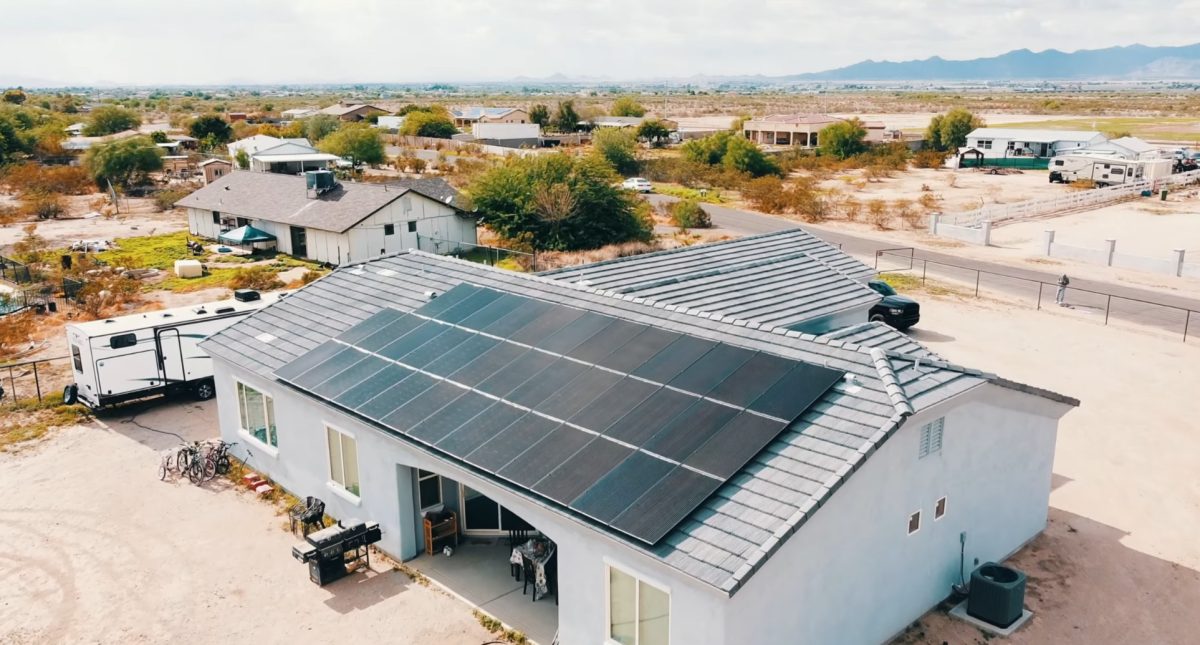
These are planning numbers, not promises. They are useful because they help homeowners spot outliers. If one quote is far above the others, ask why. If one quote is far below the others, ask harder. Cheap solar on a difficult roof often becomes expensive later.
Why Price Per Watt Matters
Price per watt gives homeowners a cleaner way to compare quotes. A $24,000 quote for an 8 kW system is $3.00 per watt. A $24,000 quote for a 6 kW system is $4.00 per watt. Same price. Very different value.
This is where problems usually start. Many proposals push the monthly payment because it feels easy to understand. But monthly payment can hide loan fees, long terms, dealer costs, and inflated system pricing. Always ask for the cash price, system size, price per watt, roof scope, and any exclusions tied to roof work.
Incentives, Loans, and Leases
Incentives can improve the math, but they do not make a bad roof good. A tax credit or rebate may reduce the net cost, but the roof still has to be strong, dry, serviceable, and suitable for the installation. Rushing solar onto a worn roof because an incentive is available can backfire.
Financing also changes the picture. A loan may preserve ownership but increase the total paid over time. A lease or power purchase agreement can reduce upfront cost, but it may complicate roof repairs, home sales, and system removal. The roof question is blunt: if the panels must come off later, who pays?
Payback Period Reality
Many homeowners hear payback estimates in the 6–12 year range. That can be realistic in some markets, but it depends on installed cost, utility rates, incentives, net metering rules, shade, and actual production. A roof with weak sun or poor layout will not perform like a clean south-facing roof in a sales model.
Roof condition can wreck the payback calculation. If a homeowner installs solar and then pays several thousand dollars later to remove and reinstall the system for roof replacement, the economics change. A proper payback estimate should account for roof readiness before the contract is signed.
Roof Suitability
Added Weight Around 2–4 psf
Most residential solar systems add about 2–4 pounds per square foot, including panels and racking. Some permitting guidance uses screening values around 5 pounds per square foot, and some solar-ready references plan around roughly 6 pounds per square foot for future capacity. These are typical planning figures, not a substitute for site review.
The average weight sounds modest, and often it is. But average load is not the whole story. Attachments concentrate force into framing members. Wind uplift matters. Snow load matters. So do old rafters, water damage, long spans, and previous modifications. When the roof is older or unusual, an engineering review is not overkill.
Roof Age Matters
If a roof has only a few years of reliable life left, solar is usually a bad idea until the roof is addressed. Solar panels may last 25–30 years. A roof that needs replacement much sooner becomes the weak link under an expensive system.
Age alone does not tell the whole story. A 12-year-old roof in excellent condition may be a better candidate than an 8-year-old roof with storm damage, poor ventilation, soft decking, or active leaks. The practical question is whether the roof can reasonably last through the period the homeowner expects to own and benefit from the system.
Roof Material Differences
Asphalt shingles are common and usually straightforward when they are in good condition. Standing-seam metal roofs can also be favorable because some mounting systems can clamp to the seams instead of penetrating the roof surface. These roof types are often simpler to design, flash, inspect, and service.
Tile roofs need more care. They can work, but cracked tiles, replacement tile availability, waterproofing, and safe access are real issues. Flat and low-slope roofs need attention to drainage, membrane protection, ballast or attachments, and wind. Wood shake or wooden shingle roofs can be restricted or unsuitable depending on local rules and fire concerns.
Roof Pitch Around 3:12 to 12:12
Many residential solar installations fall within a practical roof pitch range of about 3:12 to 12:12. That does not mean every roof outside that range fails. It means the design, safety setup, racking, drainage, and labor approach may change.
Low-slope roofs can need special planning so water does not pond around mounts or membranes. Steep roofs raise safety and access concerns. The “best” solar angle also depends on latitude, roof direction, wind, snow, and the available roof planes. A less-than-perfect pitch can still work if the production estimate is honest.
Direction and Shade
South-facing roof planes are often preferred in the U.S., but east and west planes can still be useful. The bigger killer is shade. Trees, chimneys, dormers, vents, nearby buildings, and future tree growth can reduce production and stretch the payback period.
Do not judge shade from one quick look at noon. Morning shade, afternoon shade, winter sun angles, and partial obstruction all matter. A good quote should include shade-aware production modeling. If the proposal treats every roof plane like it gets perfect sun, be careful.
Usable Roof Space
A roof can look large and still have limited usable solar space. Vents, skylights, chimneys, ridges, valleys, hips, dormers, and access pathways all reduce the area where panels can go. Fire access requirements can also keep panels away from certain roof edges or openings.
That is why two houses with similar roof square footage can support very different systems. A clean rectangular roof plane is efficient. A chopped-up roof with obstructions may require more design work, more labor, and fewer panels. The layout drawing matters. Review it before signing.
Pros and Cons
Pros of Rooftop Solar
The main benefit is lower electricity cost over time. If the system is priced fairly, installed on a suitable roof, and exposed to strong sun, it can offset a meaningful amount of power for many years. That is the basic reason homeowners consider solar in the first place.
Solar can also provide some protection against future utility rate increases. In some markets, a well-owned and well-documented system may help resale appeal. But those benefits depend heavily on roof condition, contract type, workmanship, and actual production. A clean installation on a sound roof is one thing. A leased system on an aging roof is another.
Cons of Rooftop Solar
The first downside is cost. A rooftop system can run into the tens of thousands before incentives, and financing can make the total paid higher than the cash price. Roof complexity, repair work, structural review, or special mounting can add more.
The second downside is service access. Once panels are installed, the roof underneath is harder to reach. Leak diagnosis becomes more involved. Repairs take coordination. If workmanship is weak or warranty language is unclear, the homeowner can get stuck between the roofer, solar installer, and equipment provider.
Solar vs Roof Replacement
If the roof is close to replacement, replace the roof first. That sounds obvious, but it is one of the most common mistakes. Installing solar over a roof that may fail soon usually shifts cost into the future. Panel removal and reinstallation commonly runs about $200–$500 per panel, and many average projects can land in the several-thousand-dollar range.
Bundling roof replacement and solar can make sense when the scope is clear. The contract should say who handles flashing, who owns leak responsibility, what roofing warranty remains, and what happens if water shows up around an attachment. Verbal assurances are not enough.
Buying, Leasing, or PPA
Buying the system usually gives the homeowner more control. That matters when roof service, removal, resale, or warranty questions come up. Ownership does not eliminate risk, but it usually makes the decision chain cleaner.
Leases and power purchase agreements can lower upfront cost, but they can create friction later. Ask what happens if the roof needs repair. Ask whether removal requires approval. Ask what happens when selling the house. If the answers are slow, vague, or buried in contract language, that is a warning sign.
Practical Installation Considerations
Site Assessment
A real site assessment should look beyond electric bills and satellite images. The installer should evaluate roof age, roof surface condition, material, pitch, shade, usable roof area, attic structure where visible, and code access areas. If the roof has damage, that should come up before the final design.
Most homeowners miss this part because the sales conversation moves quickly toward savings. In the field, roof assessment is what tells you whether the system can be installed safely, permitted cleanly, and maintained later without surprise costs.
- Ask whether the roof was inspected in person or only from images.
- Ask what roof age the proposal assumes.
- Ask whether roof repairs are included or excluded.
- Ask who covers leaks around solar attachments.
- Ask what panel removal would cost if reroofing is needed later.
These are basic questions. A solid contractor should not struggle with them. If the answer is mostly “don’t worry about it,” worry about it.
Structural Review
A structural review checks whether the roof framing can handle the solar array, attachment loads, wind uplift, and local snow conditions. Some projects qualify for simplified permitting paths. Others need more detailed engineering, especially older homes or unusual roof structures.
This is not paperwork for the sake of paperwork. It protects the homeowner from assuming that a roof is ready just because panels are common in the neighborhood. Roofs age differently. Framing varies. Prior leaks and alterations matter.
Permits and Utility Approval
Most rooftop solar projects need permits, inspections, and utility interconnection. Roof-related permit issues may include structural documentation, fire access pathways, setbacks, roof material restrictions, and attachment details. Missing one of these can delay the project or force redesign.
Utility approval is a separate step. A system can be electrically acceptable and still have roof or fire access problems. Treat the project as a complete roof-mounted system, not just an electrical upgrade.
Installation Timeline
The actual panel installation may be quick, but the full project often includes design, permits, scheduling, installation, inspection, utility approval, and permission to operate. Roof repairs, structural questions, or local utility delays can stretch the timeline.
If a roof replacement is likely soon, timing matters. Planning the roof and solar together can prevent duplicate labor, mismatched warranties, and future removal costs. Doing them separately is sometimes fine. Doing them in the wrong order can get expensive.
Battery Storage
Battery storage can make sense for backup power, outage protection, or certain utility rate structures. But a battery does not fix a poor roof. It does not reduce shade. It does not make an old roof safe to cover with panels.
For a roof-focused decision, battery storage should stay in its lane. It changes the electrical scope and total budget, but the roof still has to pass the same practical tests: condition, structure, access, waterproofing, and serviceability.
Warranty Basics
Solar warranties can cover panels, inverters, production, and workmanship. The roof-related piece is the one homeowners should read closely. The array either penetrates, clamps to, or loads the roof surface. That creates responsibility that should be written down.
Ask who covers leaks at attachments, how long that coverage lasts, and what voids it. If the roof already has a warranty, ask whether solar installation affects it. Do not rely on a sales rep’s casual answer. Get the warranty language.
Performance and Lifespan
25–30 Year Panel Life
Solar panels are commonly expected to last around 25–30 years, with many still producing after that at reduced output. That long equipment life is exactly why roof condition matters. The roof should not fail halfway through the useful life of the array.
If the panels can serve for decades but the roof needs replacement in six or seven years, the project is poorly sequenced. The homeowner may still get electricity savings, but part of that value can be eaten by removal and reinstallation costs.
Output Decline Over Time
Panel output usually declines slowly. A typical industry range is about 0.5%–0.9% per year. That kind of gradual loss is normal and should already be reflected in long-term production estimates.
Do not confuse normal degradation with bad roof design or bad shade modeling. If the system underperforms early because panels were placed on weak roof planes or shaded areas, that is not aging. That is a design problem.
Inverter Replacement
Inverters and related electronics may need service before the panels reach the end of their useful life. Timing depends on equipment type, heat, installation quality, and warranty terms. It is part of owning the system.
From a roof standpoint, inverter service is usually less disruptive than removing panels. Still, troubleshooting and shutdown work should follow manufacturer procedures. Homeowners should not improvise around energized equipment or climb onto the roof to diagnose production issues.
Maintenance Needs
Solar is low maintenance, not zero maintenance. Dirt, pollen, leaves, bird debris, wildfire ash, and snow can affect production. In many areas, rain helps, but rain does not guarantee the panels stay clean enough all year.
Cleaning decisions should start with safety. A ground-level rinse or visual check may be reasonable in some situations. Walking a steep roof, stepping near fragile tile, or working around electrical equipment is different. Saving a small cleaning fee is not worth a fall or a damaged roof surface.
Risks and Mistakes
Installing on an Old Roof
This is the expensive mistake. A homeowner signs a solar contract, the system goes on, and a few years later the roof needs replacement. Now the panels have to come off before the roofer can do the work. The original solar savings did not include that cost.
Typical removal and reinstallation benchmarks can run about $200–$500 per panel. A full detach-and-reset project can land in the several-thousand-dollar range, depending on panel count, access, storage, testing, and local labor. If the roof is too old, this is a bad idea.
Comparing Monthly Payments
Monthly payment is not the same as value. A system can look affordable because the loan is long, the dealer fee is hidden, or the cash price is inflated. That sounds cheaper upfront, but it often backfires.
Compare the cash price, system size, price per watt, roof scope, equipment, warranties, and contract terms. If one quote includes roof preparation and another does not, they are not comparable. Put them on the same basis before choosing.
Ignoring Shade and Obstructions
Shade can quietly ruin the economics. Trees, chimneys, dormers, vents, and nearby buildings can cut production. The issue may only show up in certain seasons or at certain hours, which is why a quick visual check is not enough.
Obstructions also shrink the usable layout area. A roof that looks big from the ground may not have enough clean space once setbacks, access paths, vents, and roof geometry are respected. Ask to see the layout and the production estimate tied to that exact layout.
Wrong System Size
An undersized system may disappoint because it offsets less electricity than expected. An oversized system can waste money if utility rules do not credit extra production well or if the home cannot use enough of the power.
Good sizing starts with actual usage, roof production potential, budget, and local utility rules. Filling every roof plane with panels is not automatically smart. Some roof planes produce weak returns and add cost without adding enough value.
Assuming No Electric Bill
Solar does not always erase the electric bill. Many homeowners still pay fixed charges, minimum bills, grid fees, or seasonal usage charges. Winter production, cloudy weather, and household consumption patterns all affect the result.
A better expectation is bill reduction. Sometimes strong reduction. Sometimes near elimination. But the proposal should show the assumptions clearly. If the sales claim sounds absolute, ask for the calculation.
Lease and PPA Surprises
Leases and PPAs can create headaches when the roof needs work or the home is sold. The homeowner may not own the system, and removal or transfer may require approval from the third-party owner.
Before signing, ask who pays for panel removal during roof repair, who schedules it, how long it takes, and what happens if the roof is leaking. If the answer is vague, the contract is carrying risk that the monthly payment does not show.
Choosing the Cheapest Installer
The cheapest quote may not be the cheapest project. Poor flashing, missed framing, rushed design, weak documentation, and unclear workmanship coverage can create costs years later.
Solar is a long-term roof system. A small savings on installation can disappear fast if it leads to leaks, failed inspection, production problems, or warranty fights. Judge the installer on roof competence, not just panel price.
Field observation: when a solar roof project goes wrong, the panel brand is rarely the main issue. The problem is usually roof age, poor preparation, weak flashing, bad attachment work, unclear warranty language, or a roof that should have been replaced first.
Beginner Decision Checklist
Roof Has Enough Life
The roof should have enough remaining life to make a 25–30 year solar system reasonable. If shingles are curling, leaks are active, decking feels soft, or a roofer is already recommending replacement, pause the solar project.
For buyers looking at a home with solar already installed, ask when the roof was installed and when the solar was installed. Those dates matter. A house with solar can be attractive, but not if the roof underneath is near replacement and removal costs are waiting.
Roof Gets Strong Sun
The roof needs enough usable sun to justify the system. Shade should be reviewed across seasons and across the actual roof planes being used. Trees grow. Winter sun drops lower. Nearby structures can affect production more than expected.
Ask for a production estimate that reflects the real layout. If the array is split across several roof planes, each one should earn its place. Weak panels on poor roof planes can make the total system look larger without making the investment better.
Quote Is Reasonable
A reasonable quote should show system size, cash price, price per watt, roof mounting method, warranty terms, and exclusions. If the price lands around common market ranges, that is useful context. If roof complexity pushes the price higher, the installer should explain why.
Be cautious when the proposal hides the cash price, focuses only on payment, or avoids roof responsibility. A quote that cannot be compared clearly is not ready for a decision.
Payback Matches Ownership
Solar works best when the homeowner will stay long enough to benefit from the savings. If the projected payback is eight to twelve years and the owner may move in three, the decision becomes more dependent on resale value, contract type, and local buyer expectations.
Roof costs belong in that math. If the roof may need replacement before the payback period is reached, the financial case weakens. Calculate solar after roof readiness, not before.
Installer Explains Roof Risk
A good installer should explain attachments, flashing, structural review, access paths, roof penetrations, and workmanship coverage without dodging. If the response sounds rehearsed or vague, keep pressing.
Good solar design is not just putting panels where they fit. It is keeping water out, meeting code, respecting roof structure, preserving access, and making future service realistic. That is what separates a durable system from a sales-driven installation.
Expectation vs Reality
| Expectation | Reality | Risk If Ignored |
|---|---|---|
| Solar panels just sit on the roof | They require attachments, flashing, structural review, and access planning | Leaks, permit delays, or unsafe installation |
| Solar means no electric bill | Many homes still pay fixed charges or seasonal grid costs | Overestimated savings and poor payback math |
| Roof repairs can happen normally | Panels often need removal and reinstallation first | $200–$500 per panel in added service cost |
| All roof types are similar | Tile, wood shake, flat, steep, and metal roofs have different risks | Higher labor, damage, or permit restrictions |
Most bad solar decisions start with a clean-looking proposal and incomplete roof information. The homeowner sees savings, panels, incentives, and a payment. The roof risks sit underneath all of it.
The best projects are boring in the right way. The roof is sound. The layout makes sense. The price is clear. The warranty language is written down. The homeowner knows what happens if the roof needs service later.
FAQ
How do I know if my roof is good for solar?
A roof is a better solar candidate when it is structurally sound, has solid remaining life, gets strong sun, and has enough open area for panels and required access paths. Roof material, pitch, shade, framing, and existing damage all matter. A roof inspection or detailed solar site assessment is usually worth doing before relying on a quote.
Do solar panels damage shingles?
Properly installed solar should not damage shingles by default. Problems usually come from poor flashing, bad fastener placement, cracked materials, missed framing, or weak waterproofing around attachments. The installer should provide written workmanship and roof penetration coverage.
Should I replace my roof before solar?
If the roof is near the end of its life, yes, replacement before solar is usually the safer choice. Solar panels may last 25–30 years, and removing them later for roof replacement can cost about $200–$500 per panel. A leaking, brittle, storm-damaged, or worn roof should be handled first.
How much weight do panels add?
Most residential rooftop solar systems add about 2–4 pounds per square foot, including panels and racking. Some permitting references use screening values around 5 pounds per square foot. The average weight is only part of the review because attachment loads, wind uplift, snow load, and framing condition also matter.
Is solar worth it if I may move?
It depends on payback period, ownership structure, roof condition, and resale expectations. A purchased system on a good roof is usually easier to explain to buyers than a lease or PPA with transfer rules. If the roof may need replacement soon, the financial case gets weaker because panel removal can add thousands of dollars.