Solar Panels for Home Roof: Costs, Roof Suitability, and Key Risks
Solar Panels for Home Roof
Quick Answer
Solar panels can make sense on a home roof when the roof is solid, has roughly 10–15 years of life left, gets enough sun, and the numbers point to a payback in the typical 6–12 year range. A practical residential estimate is about $2.50–$3.50 per watt installed, which puts a 5 kW system around $12,500–$17,500 before incentives and an 8 kW system around $20,000–$28,000 before incentives.
The catch is the roof. That is where problems usually start. If the roof is old, shaded, brittle, steep, leaking, or hard to access, the real cost can move well beyond the sales quote. The core decision is simple: do not ask only whether solar is good. Ask whether this roof can support, seal, service, and financially justify solar for the next 25–30 years.
Main Explanation
What Rooftop Solar Actually Does
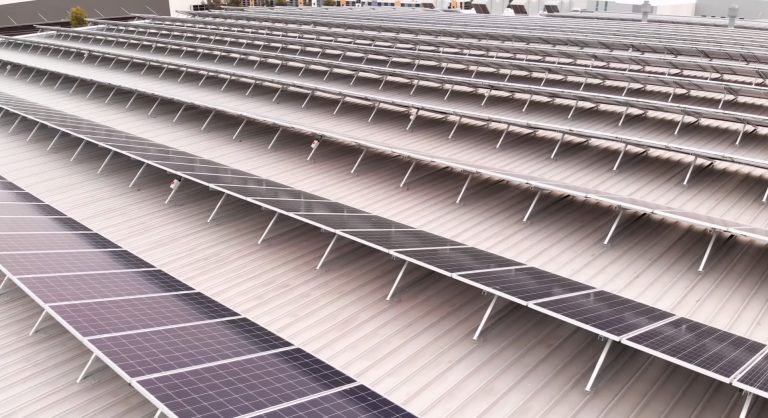
Rooftop solar turns usable roof space into a power-producing surface. The panels generate electricity, the inverter makes that power usable for the home, and the system offsets part or all of the electricity the house would otherwise pull from the grid. For most homeowners, the value is not “free power.” It is lower utility bills over many years.
The roof is not just a place to put the equipment. It is the base of the whole system. Panels, rails, flashing, wiring, and future service access all depend on the roof being in decent condition. Since many solar panels are expected to operate for about 25–30 years, putting them on a roof that may need replacement soon is a setup for extra cost later.
Grid-Tied Solar and Backup Power
Most home roof systems are grid-tied. They reduce the amount of electricity you buy from the utility when the sun is producing. Depending on local utility rules, the system may also send extra power back to the grid for credit.
Most people miss this part: standard grid-tied solar usually does not keep the house powered during an outage. Without a battery or backup-capable equipment, the system will normally shut down when the grid goes down. That is a safety requirement, not a flaw. If backup power is the goal, the design and cost change.
The Main Homeowner Decision
The real decision is whether the roof, utility rate, system cost, and ownership timeline line up. A system with a typical 6–12 year payback may be reasonable if the homeowner plans to stay long enough to benefit. A system on an old roof, shaded roof, or expensive financing plan can be a very different story.
The roof replacement timeline is the part that gets ignored. If solar goes on a roof with limited life left, the panels may need to come off when the roof is replaced. Removal and reinstallation commonly falls around $1,500–$6,000, depending on system size, access, racking, wiring, and local labor. That sounds like a future problem. It is really a current decision.
Cost Section
Average Costs Around $2.50–$3.50/W
A typical field estimate for installed residential rooftop solar is about $2.50–$3.50 per watt before incentives. Some projects come in lower or higher, but that range is a useful starting point for quote comparison. Roof type, local labor, permitting, electrical work, inverter choice, and installation difficulty all move the number.
Price per watt is one of the cleaner ways to compare proposals. Total project cost alone can mislead you. A cheaper quote may simply be a smaller system, or it may exclude work that another installer included. The low bid is not always bad, but it needs to be pulled apart carefully.
Typical 5 kW System Costs
A 5 kW rooftop system often lands around $12,500–$17,500 before incentives when using the $2.50–$3.50 per watt benchmark. That size may fit a lower-usage home, a smaller household, or a roof with limited usable space.
That number can climb when the roof is complicated. Multiple roof planes, dormers, steep sections, tile, limited attic access, or service panel issues all add labor or redesign time. A simple asphalt shingle roof is usually a cleaner install than a steep, cut-up roof with fragile materials.
Typical 8 kW System Costs
An 8 kW system typically falls around $20,000–$28,000 before incentives. This is a common size range for many single-family homes with moderate to higher electricity use, assuming the roof has enough usable area.

At this size, layout matters. Splitting panels across several roof planes can add wiring, racking, and labor. Vents, chimneys, skylights, dormers, and shade can also cut into production. The panel count may look fine on paper, but the roof still decides how well the system performs.
Why 12 kW Can Reach $30,500
A larger 12 kW residential system may price around $30,500 before incentives as a broad market estimate. Bigger systems need more roof space, more attachments, more electrical planning, and more labor. They also leave less room for design mistakes.
Do not assume bigger is automatically better. If utility export credits are weak, or if part of the array sits in shade, extra panels can add cost faster than they add savings. The quote should show expected annual kWh production, not just system size.
What Changes the Final Price
Roof complexity is one of the biggest cost drivers. Steep roofs, two-story access, fragile materials, limited staging space, and awkward wiring paths all increase labor. Tile, slate, wood shake, and flat roofs usually require more planning than a standard asphalt shingle roof.
Electrical work can also change the final price. Service panel upgrades, meter work, battery integration, trenching, long conduit runs, or utility requirements may push a project above the simple price-per-watt estimate. A useful solar quote separates the solar system cost from roof repairs, electrical upgrades, and optional battery work.
Payback Around 6–12 Years
A common industry estimate for rooftop solar payback is about 6–12 years. The short end is more likely when electricity rates are high, sun exposure is good, incentives are favorable, and the roof is easy to work on. The long end becomes more likely with shade, low utility rates, higher financing costs, or roof work.
Roof costs can change the math quickly. A $3,000 removal and reinstallation bill during future reroofing can wipe out a meaningful chunk of expected savings. If that cost was predictable from day one, it belongs in the decision from day one.
Buy, Loan, Lease, or PPA
Buying the system usually gives the homeowner the clearest control and the cleanest long-term savings picture. Loans can work too, but interest rate, dealer fees, and loan term matter. A low monthly payment can hide a high total cost.
Leases and power purchase agreements reduce upfront cost, but they can make roof work and home sales more complicated. If the panels are not fully owned by the homeowner, removal, repairs, transfer terms, and service approvals may require coordination with the solar company. That is not always a deal-breaker, but it is not a small detail either.
| Scenario | Typical Cost | Main Roof Cost Driver |
|---|---|---|
| 5 kW system | $12,500–$17,500 | Roof area, access, shading |
| 8 kW system | $20,000–$28,000 | Panel count, roof planes, wiring |
| Panel removal and reinstall | $1,500–$6,000 | Panel count, racking, roof height |
| Removal by panel | $200–$500 per panel | Access, electrical disconnect, storage |
Roof Suitability
Roof Age and Remaining Life
The best roof for solar does not have to be brand new. It does need enough service life left to justify covering it with equipment that may remain there for decades. If the roof has less than about 10 years of life left, replacement before solar should be seriously considered. If it has 10–15 years left, get a roof inspection before signing.
Solar does not fix worn shingles, soft decking, bad flashing, or an aging membrane. It can actually make those problems more expensive to reach. Once panels are installed, roof repair takes more coordination, more labor, and usually more money.
Roof Direction and Sun Exposure
In much of the U.S., south-facing roof planes usually give the strongest solar production. East and west roof planes can still work, especially when electricity usage patterns and utility rates support them. Direction matters, but it is only one part of the picture.
Shade is the bigger practical issue. Trees, chimneys, dormers, nearby buildings, and even roof vents can reduce usable production. Be skeptical of aggressive savings claims on a roof with obvious shade. The roof can hold the panels and still be a poor financial surface.
Roof Pitch and Access
Moderate roof slopes are usually easier to install, inspect, clean, and repair. Very steep roofs increase fall risk and labor time. Once a roof gets into steep-slope territory, especially around 40 degrees or more, the job becomes more about access and safety than panel placement.
A steep roof does not automatically rule out solar. It does mean the quote should reflect the added difficulty. Cleaning, service, leak repair, and future panel removal can all cost more when crews need extra fall protection or staging.
Roof Material Differences
Asphalt shingle roofs are common and usually straightforward for solar when they are in good condition. Standing seam metal roofs can also be strong candidates because compatible clamp systems may reduce the need for penetrations.
Tile, slate, wood shake, and flat membrane roofs need more caution. Tile can crack under foot traffic. Slate is brittle and unforgiving. Wood shake may create compatibility concerns depending on condition and local requirements. Flat roofs require attention to drainage, wind, ballast, membrane protection, and waterproofing. The roof material changes the whole installation approach.
Roof Size and Usable Area
Total roof size is not the same thing as usable solar area. Fire setbacks, hips, valleys, skylights, vents, chimneys, dormers, shade, and awkward roof planes all reduce the space that can actually hold panels.
Higher-efficiency panels can help when space is tight, but they do not turn a poor roof into a good one. If the only usable section is shaded, brittle, or near the end of its life, forcing solar onto it is usually a bad idea.
Practical Installation Considerations
Solar Load Around 2–4 PSF
A typical residential rooftop solar system adds roughly 2–4 pounds per square foot. Many residential panels weigh around 40–50 pounds each before racking. Some permit checklists use under 5 pounds per square foot as a practical screening threshold for certain flush-mounted systems, but local rules vary.
That load is usually manageable on a sound roof. Usually is the key word. Older framing, rot, sagging rafters, snow-load areas, previous structural changes, or soft decking can change the answer. Panel weight is not the only issue. Attachment strength, wind uplift, and roof condition matter too.
Structural Review Matters
A proper solar project should verify that the roof can handle the added dead load, wind forces, attachment spacing, and local permit requirements. Some projects need a formal engineering review. Others may pass with standard documentation, depending on jurisdiction and roof condition.
This is where homeowners get into trouble. They hear that solar is “lightweight” and assume every roof is fine. A sound roof may be fine. An old roof with hidden damage may not be. The difference is not visible from a glossy proposal.
Mounting, Flashing, and Leaks
Most roof leak problems tied to solar come from the installation details, not the panel itself. Poor flashing, bad sealant work, wrong fasteners, missed rafters, cracked roof material, or rushed workmanship can all create water-entry points.
Good mounting is boring in the best way. The racking is approved for the roof type. The flashing fits the roofing material. Fasteners land where they should. Sealants are compatible. The installer does not rely on caulk as the main waterproofing strategy. That last point matters.
In the field, panel weight is rarely the first thing I worry about on a normal sound roof. I worry about old shingles, brittle materials, sloppy flashing, and unclear warranty responsibility. One bad penetration can cause more trouble than the entire weight of the array.
Electrical and Inverter Placement
Electrical planning affects the roof more than many homeowners expect. Conduit routes, inverter location, attic access, service panel capacity, meter placement, and utility requirements can all influence the final design.
Ask whether electrical upgrades are included. If they are not, the price may change after inspection or permit review. A clean roof layout can still become an expensive job if the electrical side was underestimated.
Permits and Inspection Timeline
Most rooftop solar projects require permits, utility approval, inspection, and interconnection. Older roofs, complex structures, and unusual materials can trigger extra review. Missing structural documentation is a common source of delay.
A permit delay is not just paperwork. It can affect crew scheduling, roof replacement timing, loan timing, and utility activation. Strong documentation up front saves a lot of friction later.
When to Replace the Roof First
If the roof is near the end of its life, replace it before solar. That is usually the cleaner move. It avoids installing a long-life solar system over a short-life roof and then paying to remove the array a few years later.
Panel removal and reinstallation often runs about $1,500–$6,000. Some service pricing is quoted around $200–$500 per panel, depending on access, system complexity, electrical disconnect, storage, and reinstall work. That is not a small maintenance item. It can change the entire financial case.
- Replace the roof first if it has less than 10 years of expected life.
- Get a roof inspection if it has 10–15 years remaining.
- Verify structural capacity on older, sagging, or snow-load roofs.
- Confirm who is responsible for roof leaks after installation.
- Ask about panel removal pricing before signing.
These checks are not red tape. They are the difference between a clean solar project and a roof problem with panels sitting on top of it.
Pros and Cons
Main Advantages
The main advantage is long-term bill reduction. On the right roof, a properly sized system can produce for about 25–30 years and may pay back in the typical 6–12 year range. That is the clean version of the solar story.
Solar can also add some energy independence, especially when paired with storage. On a roof with good sun, solid structure, clean installation details, and enough remaining life, it can be a practical home improvement rather than just an energy product.
Main Disadvantages
The main disadvantage is upfront cost. A $20,000–$28,000 project before incentives is not minor. The return depends on utility rates, roof condition, sun exposure, incentives, financing, and whether the installer priced the job honestly.
The other downside is service complexity. Roof leaks, reroofing, animal nesting, cleaning, wiring issues, and inspection work all become more complicated once panels cover part of the roof. Solar can save money, but it also adds a system that has to be managed.
| Expectation | Reality |
|---|---|
| Solar works on any roof | Old, shaded, brittle, or weak roofs can be poor candidates |
| Panels automatically provide backup | Most grid-tied systems need batteries for outage power |
| Cleaning is simple DIY work | Steep or two-story roofs often need professional service |
| Lowest quote is best | Cheap quotes may exclude roof, electrical, or service costs |
Savings and Performance Factors
Electricity Use Drives System Size
The right system size starts with electricity use, not with filling the roof. A home with higher usage may need a larger system, but the roof still has to provide enough unshaded and structurally suitable area.
Annual kWh production matters more than panel count. Two homes can have the same number of panels and very different results because of roof direction, shade, pitch, panel efficiency, and inverter design. Ask for production, not just system size.
Utility Rates Matter Most
Solar saves more money where grid electricity is expensive. In areas with lower utility rates, the same system may take longer to pay back. Net metering or export credit rules also matter because they affect the value of excess power sent back to the grid.
This is why broad averages should be treated as starting points, not promises. A great roof in a weak utility market may deliver a slow return. A decent roof in a high-rate market may pencil out well.
Batteries Extend the Payback
Batteries can be useful. They can provide backup power, improve self-consumption, or help with certain time-of-use utility plans. But they usually add substantial cost and often lengthen the payback period.
Do not add a battery just because it makes the system sound complete. Add one because backup power, outage resilience, or rate management matters enough to justify the extra cost. That is a different decision than basic rooftop solar.
Risks, Mistakes, and Limitations
Installing on an Old Roof
The most expensive mistake is installing solar on a roof that should have been replaced first. It happens all the time because the solar payment gets attention and the roof condition gets treated like a side note.
Then the roof fails, leaks, or reaches replacement age. The homeowner has to pay to remove, store, and reinstall the array before roofing work can happen. A typical removal and reinstall benchmark of $1,500–$6,000 can turn a good-looking solar deal into a frustrating one.
Choosing the Lowest Price
A low quote is not automatically bad. But it has to be inspected. Some low bids exclude electrical upgrades, roof repairs, realistic production modeling, panel removal terms, or strong workmanship coverage.
That sounds cheaper upfront, but it often backfires. Leak repairs, cracked tiles, change orders, underproduction, and warranty disputes can erase whatever was saved on the contract price.
Ignoring Shade and Soiling
Shade is not a minor detail. Trees, chimneys, dormers, nearby buildings, and roof geometry can all cut production. Soiling from dust, pollen, leaves, ash, and bird droppings can also reduce output, especially on flatter roofs or in dry areas.
A practical cleaning interval is often somewhere around 6–18 months, depending on rainfall, trees, dust, birds, and roof pitch. Some homes need very little cleaning. Others need regular attention. The wrong assumption is that rooftop solar is always maintenance-free.
Assuming Outage Protection
Many homeowners think solar panels keep the house running during a blackout. In most standard grid-tied systems, they do not. Without battery storage or backup-capable equipment, the system normally shuts off when the grid goes down.
If backup power is important, it needs to be designed and priced from the start. Do not discover after installation that the system you bought solves the electric bill problem but not the outage problem.
Missing Contract Details
Panel removal terms, roof leak responsibility, workmanship coverage, monitoring, production estimates, and transfer rules should be clear before signing. Vague contract language is not harmless. It becomes expensive when something goes wrong.
Solar is not a box that gets dropped onto the house. It is a roof-mounted electrical system with long-term service needs. Treat the paperwork that way.
- Do not walk on solar panels; it can crack glass or cells.
- Do not use a pressure washer on panels.
- Do not let a roofer remove panels without solar qualification.
- Do not accept savings claims without annual kWh production.
These mistakes usually happen because they look small at the time. The cost shows up later as lower production, roof leaks, denied warranty claims, or avoidable service bills.
How to Compare Solar Quotes
Compare Price Per Watt
Price per watt makes bids easier to compare. A $24,000 quote for an 8 kW system is $3.00 per watt. A $21,000 quote for a 6 kW system is $3.50 per watt. The lower total price is not automatically the better deal.
Look at what is included. Permits, interconnection, monitoring, inverter type, racking, warranties, roof coordination, and electrical upgrades all affect the value of the quote. The best proposal is usually the one that explains the job clearly, not the one that hides the messy parts.
Check Equipment and Warranty
Panel brand matters, but installation quality matters just as much. A good panel installed with poor flashing on old shingles is still a bad roof system.
Ask who covers leaks near mounts. Ask how workmanship is covered. Ask whether the roof warranty is affected. If both a roofer and solar installer are involved, their responsibilities need to be in writing. Handshakes do not help much when water is coming through a ceiling.
Ask for Annual kWh
Annual kWh production connects the system to savings. Panel count and system size are inputs. Production is what drives the financial result.
A proposal that avoids annual kWh estimates, glosses over shade, or focuses only on monthly payment should be treated carefully. Without production assumptions, utility rates, and financing details, you do not have a real payback estimate.
Confirm Roof and Permit Scope
The quote should say whether roof repairs, structural review, permit documents, utility interconnection, and inspections are included. For tile, slate, flat, steep, or two-story roofs, the proposal should explain the access and mounting approach.
Missing scope is how surprise costs enter the project. A more expensive bid may actually be more realistic if it includes the work required to protect the roof and pass inspection.
Final Decision Framework
Install Solar Now
Install solar now if the roof is sound, has roughly 10–15 years or more of remaining life, gets good sun, and produces a payback in the typical 6–12 year range. That is the strong case.
The best candidate plans to stay in the home long enough to benefit from the savings and is willing to compare detailed quotes. Not just monthly payments. Actual system size, production, roof scope, warranty, and removal terms.
Fix the Roof First
Fix or replace the roof first if shingles are worn, decking is soft, leaks are present, flashing is failing, or the roof line is sagging. Solar should not be used to cover up a roof problem. That almost always catches up with the homeowner.
Roof work before solar can raise the initial project cost, but it may prevent removal fees, leak disputes, and scheduling problems later. If the roof is too old, this is a bad idea until the roof is addressed.
Consider a Battery
Consider a battery if outage protection matters. Do not add one just because it makes the proposal sound more complete. Batteries are useful, but they change the cost and usually stretch the payback.
The practical question is whether backup power, resilience, or time-of-use savings is worth the extra money. For some homes, yes. For others, a standard grid-tied system is the cleaner financial choice.
Avoid Rooftop Solar
Avoid rooftop solar if the roof is heavily shaded, near failure, structurally questionable, or made from a material that the installer is not clearly qualified to handle. Be cautious if you plan to move soon, too.
A bad roof turns solar into a service problem. In those cases, roof replacement, tree work, electrical repairs, or another solar option may make more sense than forcing panels onto the wrong surface.
FAQ
How long do rooftop solar panels last?
Most residential solar panels are expected to operate for about 25–30 years, with many warranties around 25 years. The roof should be judged against that timeline before installation.
Do solar panels damage the roof?
Solar panels usually do not damage a sound roof when installed correctly. Problems are more often tied to poor flashing, improper fasteners, brittle roofing materials, missed structural attachments, or unqualified removal during later roof work.
How much weight do panels add?
A typical residential rooftop system adds roughly 2–4 pounds per square foot. Individual panels often weigh about 40–50 pounds before racking. Older, damaged, or unusual roofs should be reviewed before installation.
Should I replace my roof first?
If the roof has less than about 10 years of remaining life, replacement before solar is usually worth serious consideration. If it has 10–15 years remaining, get a professional roof inspection before signing a solar contract.
How many panels does an average home need?
It depends on annual electricity use, roof space, panel wattage, shade, and production goals. A 5 kW system may fit lower usage. An 8 kW system is common for higher usage homes. The better number to compare is expected annual kWh production, not panel count alone.