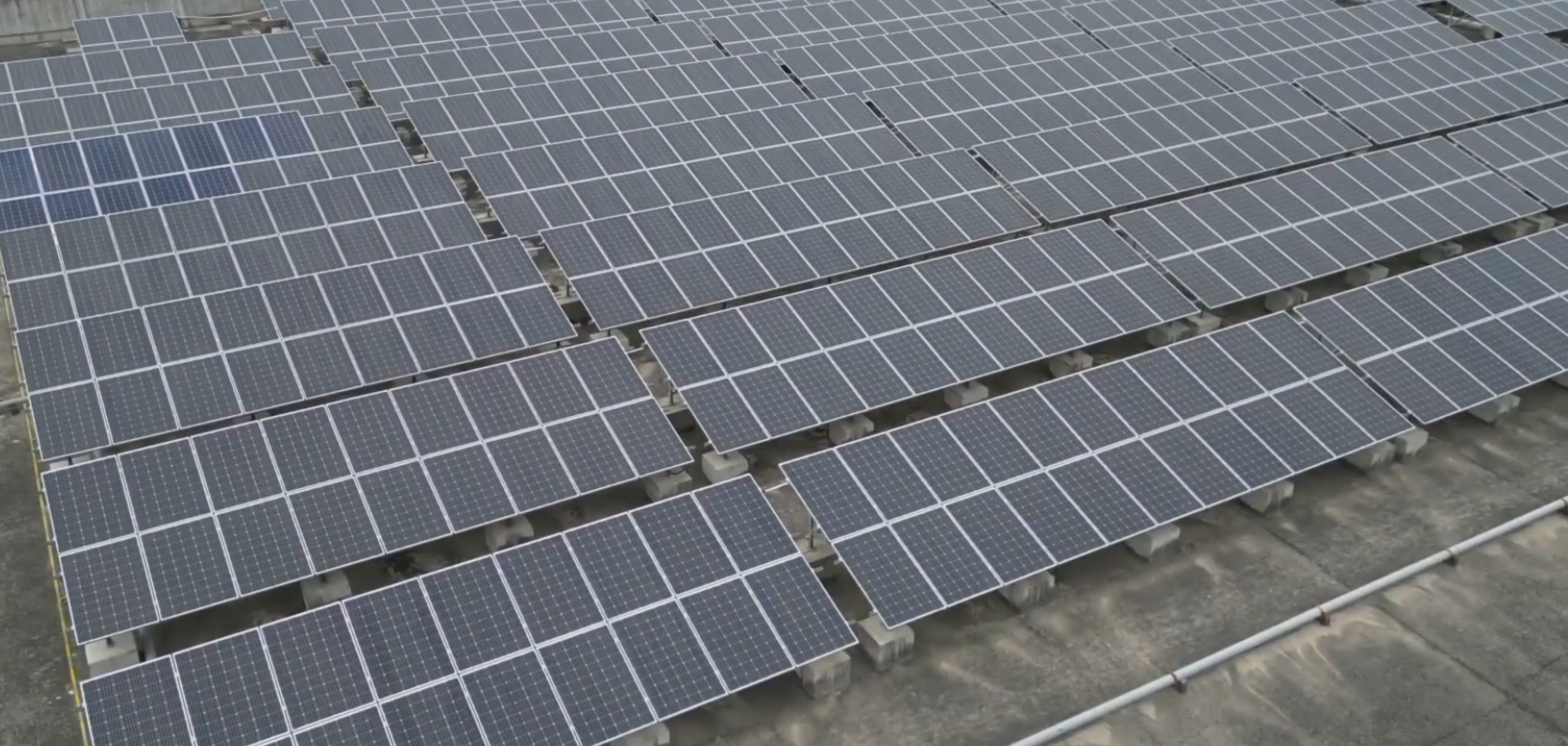
Solar Panels vs Solar Roof: Which Is Better for Your Home?
Quick Answer
For most homeowners, traditional solar panels are the better buy. They usually cost less, produce more power per dollar, and do not require tearing off a usable roof. A typical installed range for standard rooftop solar is about $2.50 to $3.50 per watt before incentives. Solar roofs and solar shingles often run higher, commonly around $3.50 to $8.00 per watt, and full roof-integrated projects can climb much higher once roofing work is included. The catch is roof condition. If your roof is already near the end of its life, installing panels now can backfire because removal and reinstallation during a future reroof often runs about $1,500 to $6,000.
The decision is straightforward. Choose solar panels if the roof is solid and the main goal is return on investment. Consider a solar roof if the roof already needs replacement and the cleaner look is worth the premium. Most people get this wrong by comparing a panel quote against a solar roof quote without separating the cost of the roof from the cost of the solar system.
Solar Panels vs Solar Roof
Solar panels and solar roofs both generate electricity, but they are very different jobs on the roof. Standard solar panels sit above the roof on racks, clamps, rails, flashing, and electrical wiring. A solar roof or solar shingle system replaces part or all of the roofing surface with photovoltaic roofing material. That difference changes the cost, the installation risk, the warranty conversation, the service process, and the way future roof repairs are handled.
In real-world conditions, the roof usually makes the decision before the solar math does. A simple asphalt shingle roof with 10 to 15 years of useful life left is often a good candidate for standard panels. A roof with curled shingles, active leaks, soft decking, difficult valleys, or a known replacement need is a different story. Solar roofing starts to make more sense when the homeowner already needs a new roof and cares enough about appearance to pay extra for the integrated look.
Panels Sit Above the Roof
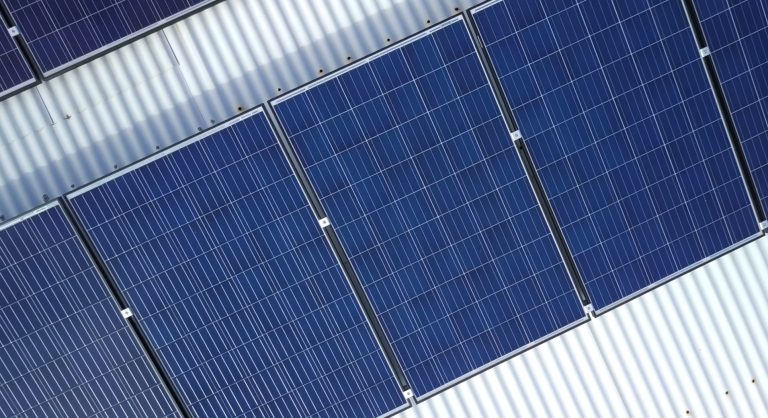
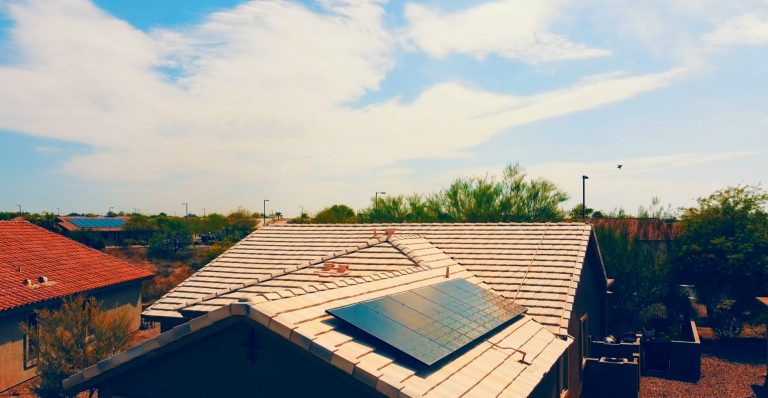
Traditional solar panels are installed over the existing roof. Installers fasten mounting hardware to the roof structure, then seal and flash the attachment points. On standing seam metal roofs, compatible clamps may reduce or avoid penetrations. On asphalt shingles, flashed penetrations are common. On clay or concrete tile, the work gets more delicate because cracked tiles and poor waterproofing details can create roof problems later.
The advantage is that panels are separate from the roof covering. They can be serviced, removed, upgraded, or replaced without replacing the whole roof. That separation is useful. The downside is just as practical: the roof under the panels keeps aging. If it fails before the solar system does, the panels usually have to come off before the roof can be replaced. That is where a cheap-looking project can suddenly become expensive.
Solar Roofs Replace Roofing
A solar roof is not just a thinner panel. It is a roofing system and an electrical system combined. Active solar tiles or shingles produce electricity. Inactive tiles or roofing materials fill in the rest of the roof so the house stays weather-tight. The result can look much cleaner from the street, but it also raises the bar for the installer. Roofing details and electrical details both have to be right.
Service is different too. With standard panels, a technician can often isolate a module, wire, inverter issue, or rack component without disturbing much roofing material. With solar shingles, the power-producing parts are built into the roof surface. Leak tracing, tile replacement, production troubleshooting, and warranty coordination can become more specialized. This is where installer qualification matters. A general roofing crew and a solar crew are not automatically interchangeable.
Lower Cost vs Better Appearance
The real tradeoff is not complicated. Panels usually win on cost, output per dollar, and installer availability. Solar roofs usually win on appearance and integration. If the goal is the lowest long-term electricity cost, panels are usually the stronger option. If the goal is a premium roof appearance with solar built in, and the roof already needs replacement, solar roofing deserves a closer look.
Most people miss the roof-space issue. A clean rectangular roof plane can support a good panel layout. A roof broken up by dormers, skylights, chimneys, plumbing vents, valleys, and shade may not. That matters even more with solar roofs because not every tile is active solar. A proposal should show how much roof area is producing electricity, not just how attractive the finished roof will look.
Cost Comparison
Cost is where the choice gets serious. Traditional rooftop solar commonly prices around $2.50 to $3.50 per watt before incentives, depending on the market, system size, roof access, labor, equipment, and financing. A larger residential system can easily land in the tens of thousands before incentives, but the cost per watt is usually easier to compare because the scope is mainly solar.
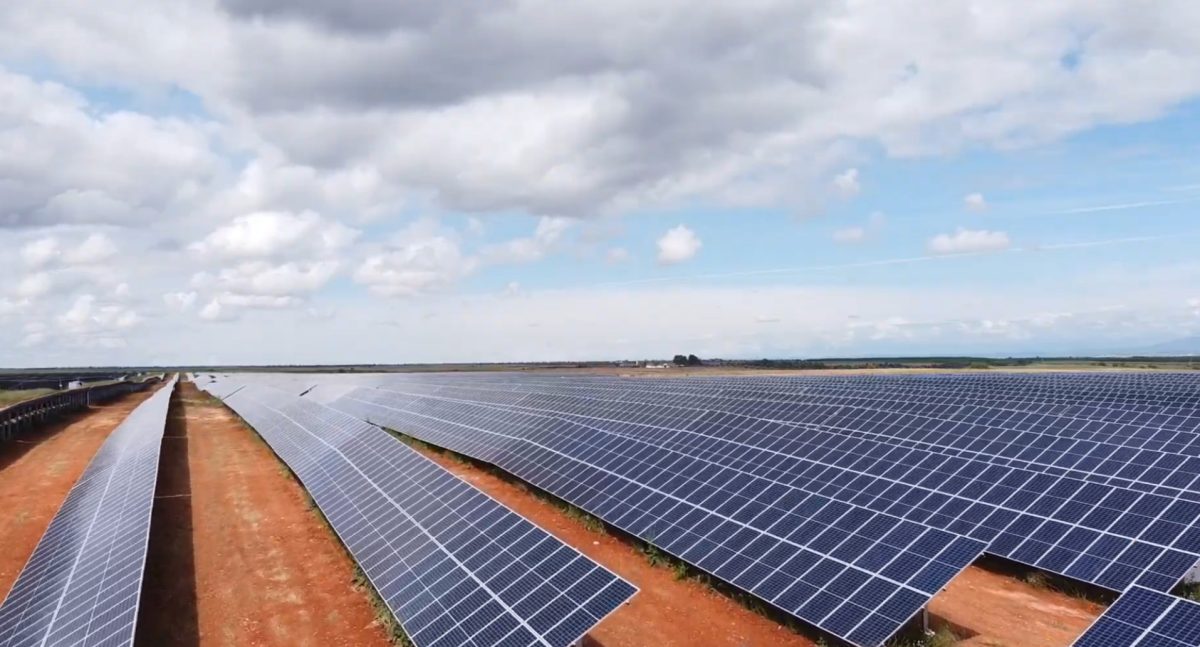
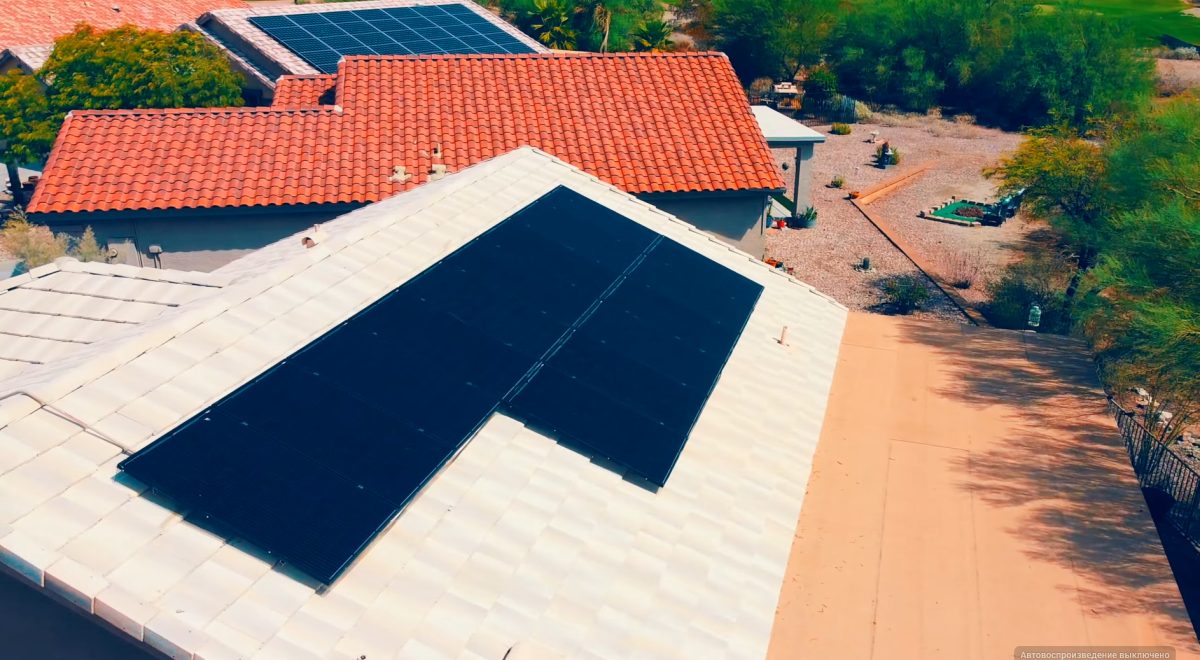
Solar roofs are harder to compare because the quote often mixes roofing and solar into one project. A typical field estimate for solar shingles is often around $3.50 to $8.00 per watt, but full solar roof projects can reach $40,000 to $100,000 or more on large or complicated roofs. That does not automatically make solar roofing a bad decision. It means the homeowner needs an itemized quote. Without that, nobody can tell what is roofing cost, what is solar cost, and what is optional equipment.
| Project Type | Typical Cost Range | Best Fit | Main Cost Driver |
|---|---|---|---|
| Traditional solar panels | $2.50 to $3.50 per watt | Good existing roof | System size, equipment, labor, permitting |
| Solar shingles | $3.50 to $8.00 per watt | Roof replacement plus integrated look | Active shingle area and roofing labor |
| Full solar roof | $40,000 to $100,000+ | Premium reroofing project | Roof size, complexity, inactive tiles |
| Panel removal for reroof | $1,500 to $6,000 | Existing solar with failing roof | Panel count, wiring, roof access |
Average Solar Panel Costs
For standard panels, cost per watt is the cleanest starting point. A 5 kW system at $2.50 to $3.50 per watt would usually land around $12,500 to $17,500 before incentives. An 8 kW system would usually fall around $20,000 to $28,000 before incentives. Local pricing can move outside those ranges, especially where labor, permitting, roof access, or electrical upgrades are more involved.
Panels are also easier to shop. Homeowners can usually get several bids for similar system sizes and compare equipment, production estimates, warranties, and installation details. The best comparison starts with the cash price before incentives. Financing, tax credits, and monthly payment structure should be reviewed after that, not used to hide the real installed cost.
Why Solar Roofs Cost More
Solar roofs cost more because the project is not only about producing electricity. It can include tear-off, roof preparation, underlayment, waterproofing, active solar tiles, inactive roof materials, electrical work, flashing, permitting, and specialized labor. A roof with multiple planes, hips, valleys, skylights, and dormers adds time and complexity while often reducing the active solar area.
This is where problems usually start. A homeowner sees a solar roof quote and compares it to a panel-only quote. That is not a fair comparison. A solar roof includes a roof replacement. The better comparison is solar roof versus new conventional roof plus standard panels. If the old roof is failing, that comparison can be reasonable. If the roof is still young, replacing it early usually weakens the financial case.
When Solar Roof Cost Makes Sense
A solar roof starts to make practical sense when the roof already needs to be replaced. In that situation, part of the project cost overlaps with money the homeowner was going to spend anyway. The added premium then buys the integrated appearance, the product design, and the combined roofing-plus-solar approach.
The quote still needs to be pulled apart. Ask how many watts are active solar. Ask how much annual production is estimated. Ask what the inactive roofing portion costs. Ask whether batteries are included. A $70,000 proposal can mean very different things depending on roof size, roof complexity, active solar coverage, and optional backup equipment.
Incentives and Itemized Quotes
Solar incentives can improve the economics, but they do not fix a messy quote. Homeowners should not assume every dollar in a solar roof proposal is treated the same way for incentive purposes. Roofing-only work, inactive materials, structural repairs, batteries, and electrical upgrades may need to be separated for tax and cost comparison purposes.
A clean proposal should break out roofing, active solar, electrical work, batteries, repairs, removal, permits, and any service add-ons. If a contractor only gives one blended number, the homeowner cannot judge payback. That is a red flag. It may still be a good project, but the proposal is not clear enough yet.
Performance and Efficiency
Standard panels usually produce more electricity per dollar because they are purpose-built modules installed in a layout designed for solar output. Solar shingles can perform well on the right roof, but they are more restricted by roof shape, active tile area, pitch, orientation, and shade. The issue is not just lab efficiency. It is how much electricity the installed system can actually produce on that roof.
The best roof for either option is simple, open, and mostly unshaded. The worst candidate is chopped up, shaded, and full of interruptions. Panels often give designers more flexibility because they can concentrate equipment on the best roof planes. Solar roofing has to follow the roof more closely.
Panel Output and Roof Space
A practical planning benchmark is about 50 to 70 square feet of unshaded roof area per kW of DC solar capacity. That is not a final design number, but it helps explain why a roof that looks large from the driveway may not support the system size shown in an early online estimate. Fire setbacks, ridge clearances, vents, skylights, chimneys, and shade all reduce usable area.
Orientation matters too. South-facing roof planes are often strong producers in many U.S. markets. East- and west-facing planes can still make sense depending on household usage and utility rates. North-facing planes usually need more scrutiny. The homeowner should judge the layout by estimated annual production, not by panel count alone.
Solar Roof Output Limits
A solar roof only produces power where the roof has active solar tiles or shingles. Other areas may be covered with matching inactive material. That is normal for these systems, but it means a large roof does not automatically mean a large solar array. Some of the roof may be weather protection only.
The proposal should show active wattage, estimated annual kWh, the roof planes being used, shading assumptions, and included equipment. If the sales conversation focuses heavily on appearance but does not clearly explain production, the homeowner does not have enough information. A beautiful roof that underproduces can still be a poor solar investment.
Complex Roofs Reduce Value
Complex roofs cost more to work on and often produce less solar value. Dormers, valleys, skylights, chimneys, plumbing vents, and small roof planes break up the usable area. They also add flashing and waterproofing details. With solar roofs, they can increase inactive material while limiting active production.
That does not mean a complex roof cannot use solar. It means the estimate needs to be more conservative. A simple roof usually allows a cleaner layout, easier access, fewer surprises, and more predictable output. A complicated roof needs a real inspection before the homeowner trusts the proposal.
Pros and Cons of Traditional Panels
Traditional panels are the practical default when the homeowner wants solar at a reasonable installed cost. They are widely available, easier to compare across contractors, and usually easier to service. They still need a good roof underneath them. That part cannot be skipped.
The tradeoff is visibility and future roof coordination. Panels sit above the roof. Racking is visible. Roof penetrations may be part of the installation. If the roof needs replacement later, the solar system has to be removed first. That is not a small detail. It can change the economics of the whole project.
Pros: Cost, Payback, Service
The strongest advantage of standard panels is cost per watt. At a typical installed range around $2.50 to $3.50 per watt, panels usually deliver more solar capacity for the money than integrated roofing products. More installers also means more competitive bids and more options if service is needed later.
Panels are modular. If one component fails, a technician can often diagnose and replace that part without taking apart the roof. That matters over a 25-year ownership period. Many panel warranties are built around long performance periods, and many systems continue producing after the warranty period, though output gradually declines.
Cons: Appearance and Roof Work
The biggest complaint is appearance. Some homeowners do not like the look of raised panels, especially on front-facing roof planes. Design rules, neighborhood expectations, or historic properties can make this more important. For those homeowners, the visual difference may justify at least pricing a solar roof.
The other issue is roof timing. If panels go on a roof that only has a few useful years left, the homeowner may be paying to remove them long before the system has paid for itself. That sounds cheaper upfront, but it often backfires. A roof inspection before installation is not a formality. It is part of the solar decision.
Pros and Cons of Solar Roofs
Solar roofs solve the appearance problem better than panels. They can look cleaner, especially from the street, because the solar material is part of the roof surface. But they are more expensive and more specialized. They should be treated as premium roofing systems that also generate power.
The value depends heavily on roof timing. If the home needs a new roof anyway, solar roofing may be worth comparing. If the roof is only a few years old and in good condition, tearing it off for a solar roof is usually hard to justify unless appearance is the main priority.
Pros: Appearance and Integration
The main advantage is curb appeal. Solar roofs avoid the raised-panel look and can be a better fit for homeowners who care about rooflines, architecture, or front-facing elevations. For some homes, that matters. A premium appearance is a real preference, even if it is not always the best financial move.
Solar roofs also combine two timelines. Instead of putting panels over aging shingles, the homeowner starts with a new roof and solar generation at the same time. That can reduce the chance of paying for panel removal during the life of the system. On the right roof, that coordination is useful.
Cons: Cost and Service
The downside is cost. Full solar roof projects can be much more expensive than standard panel systems, especially on large or complicated roofs. The homeowner may also have fewer qualified installers to choose from. Fewer installers can mean less price competition and more limited service options later.
Repair access is another issue. A solar roof is both a weather barrier and a power system. If there is a leak, damaged tile, failed component, or production problem, the contractor needs to understand both sides of the job. Warranty terms, installer approval, and service availability matter more here than homeowners often realize.
Installation Considerations
Solar is installed on a real roof, not on a spreadsheet. That roof has framing, decking, underlayment, shingles, tiles, metal seams, vents, flashing, penetrations, edges, and drainage paths. All of those details matter once crews start working. A good solar decision begins with roof condition.
Before comparing panels with a solar roof, check roof age, remaining life, structure, pitch, orientation, shade, roof type, access, and local code requirements. These are not minor technical details. They decide whether the quote is realistic.
- Confirm roof age and visible condition before signing a solar contract.
- Ask whether the layout preserves fire access paths and ridge setbacks.
- Check whether roof repairs, reroofing, or panel removal are included.
- Verify installer experience with the specific roof type.
- Request an itemized quote separating roofing, solar, batteries, and electrical work.
Skipping these checks is how good solar projects become roof problems. Most overruns are not caused by sunlight math. They come from old roofs, difficult access, structural limits, vague proposals, and assumptions that were never verified.
Roof Age: 10–15+ Years Left
As a practical benchmark, a roof should usually have at least 10 to 15 years of useful life left before standard panels are installed. That is not a law. It is a field rule that keeps homeowners from putting long-life solar equipment on a short-life roof. If the shingles are brittle, curling, leaking, or close to replacement, stop and deal with the roof first.
The money at risk is real. Removing and reinstalling panels for a reroof often runs about $1,500 to $6,000, depending on system size, roof access, electrical work, and local labor. That expense does not improve the system. It only fixes bad timing.
Roof Load: 2–4 lb Per Sq Ft
Standard solar panels with racking commonly add about 2 to 4 pounds per square foot. Many modern roofs can handle that. Some cannot without review. Older framing, damaged decking, long spans, snow load, additions, and previous roof layers can all change the answer.
Flat roofs need extra caution. Ballasted systems can add much more weight than a typical pitched-roof panel system. In some field estimates, ballast can add 10 to 30 pounds per square foot depending on wind exposure, layout, and engineering requirements. That is not something to eyeball from the driveway.
Pitch and Orientation
A roof pitch around 15 to 40 degrees is often workable for solar, though the best angle depends on location and design. Steeper roofs can be more difficult and dangerous to work on. Low-slope roofs may need tilted racking, ballast, or more careful waterproofing details.
Orientation affects production. South-facing roof planes are often preferred, but east and west can still work well depending on usage patterns and utility rates. Shade can change everything. Trees, chimneys, dormers, and nearby buildings can reduce production enough to change the financial outcome.
Installation Timing
If the roof is in good shape, panels can often be installed without replacing it. If the roof is close to replacement, the smarter move is usually to reroof first or coordinate roofing and solar together. With a solar roof, that coordination is built into the job because the roof covering is being replaced.
Homebuyers should pay close attention here. A house with newer panels on an old roof may have a hidden cost. Ask when the roof was installed, when the solar was installed, who owns the system, and whether the roof has been repaired since. Those answers matter more than the sales brochure.
Permits and Utility Approval
Rooftop solar usually needs permits, inspections, utility interconnection, and a code-compliant roof layout. Fire access paths, ridge setbacks, and local rules can reduce how many panels fit. These requirements vary by jurisdiction, so early layouts are not always final layouts.
Be careful with quotes that cover every open inch of roof in the first design. The final permitted layout may be smaller. A solid installer should explain these limits before the homeowner bases savings expectations on an oversized drawing.
ROI and Payback
Standard panels usually have the stronger ROI because the installed cost is lower. Lower cost per watt means each dollar buys more generating capacity. Still, no payback period should be treated as universal. Electricity rates, incentives, net metering, financing, system size, and household usage all affect the result.
Solar roof ROI is more complicated. If the roof did not need replacement, the numbers often get stretched. If the roof did need replacement, the comparison becomes more reasonable because the homeowner was already facing a roofing bill. The roof condition changes the math.
Panels Usually Pay Back Faster
Traditional panels usually pay back faster because they add solar to an existing roof at a lower cost. The homeowner is not paying for a full roof replacement unless one is needed. For people focused on reducing utility bills, this is usually the cleaner financial path.
The weak point is roof timing. A panel system can look good on paper and still disappoint if the roof needs replacement five years later. If the roof is aging, include possible removal and reinstallation cost in the decision. Pretending that cost does not exist is how ROI gets overstated.
Solar Roof ROI Depends
A solar roof can make sense when the roof already needs replacement and the homeowner wants the integrated appearance. In that case, compare it against a normal roof replacement plus standard panels. Anything else muddies the decision.
Monthly payment comparisons can be misleading. Financing can make a large project feel affordable while increasing the total amount paid. The homeowner needs the cash price, financed price, roof-only cost, solar-producing cost, expected production, and battery cost if batteries are included.
Rates, Net Metering, and Batteries
Electricity rates and net metering rules affect savings. In areas with high electricity rates and favorable export credits, solar economics usually improve. In areas with weaker export compensation, battery storage or load shifting may matter more, but batteries add cost and should be evaluated separately.
Do not let batteries get buried inside the comparison. A solar roof with batteries compared against a panel system without batteries is not an apples-to-apples quote. Backup power, time-of-use savings, and battery economics should be reviewed as their own line items.
Risks and Mistakes
The biggest mistakes are ordinary planning mistakes. Homeowners trust a quote before checking the roof. They compare bundled prices incorrectly. They assume all roof area is usable. They ignore shade. They forget that someone has to service the system later.
These mistakes can cost thousands. Worse, they create the wrong kind of headache. The homeowner thinks they bought an energy upgrade, then finds out they also inherited a roof coordination problem.
| Expectation | Reality | Financial Consequence |
|---|---|---|
| Panels can go on any roof | Roof age, decking, pitch, shade, and structure matter | Reroofing or redesign costs |
| Solar roof equals better ROI | Solar roofs often cost more per watt | Longer payback if roof was not needed |
| Online design equals final design | Permits, setbacks, and shade can reduce size | Lower production than expected |
| Cleaning is simple DIY work | Roof access creates fall and damage risks | Injury, broken tiles, scratched panels |
Do Not Install on a Failing Roof
This is the big one. The homeowner wants solar, the roof looks fine from the ground, and nobody takes the roof condition seriously. A few years later, shingles fail or leaks show up. Now the solar system has to come off before the roofer can do the job properly.
The financial hit is not only the roof replacement. It is de-energizing, removing panels, storing equipment, reinstalling the system, checking wiring, and getting everything back online. If the roof is too old, installing panels first is a bad idea.
Do Not Compare Bundled Quotes
A solar roof quote and a solar panel quote are not equal unless the scope is equal. The solar roof quote includes roofing. The panel quote usually does not. That difference can make one option look unfairly expensive or unfairly cheap.
The cleaner comparison is conventional roof replacement plus panels versus solar roof. Then compare active watts, annual production, warranty, service access, roof lifespan, and total cash price. If the quote does not give enough detail to do that, the quote is not ready for a decision.
Do Not Assume Equal Output
Solar shingles and standard panels both make electricity, but they do not always produce the same output for the same money. Solar shingles depend heavily on active tile coverage, roof geometry, and shade. A roof can look impressive and still have limited production area.
Ask for estimated annual kWh and compare it against a panel system on the same roof. If the solar roof costs more and produces less, the remaining value is appearance, integration, and roof replacement timing. That may be worth it. Just do not mistake it for the cheapest electricity option.
Do Not Ignore Shade
Shade can wreck a savings estimate. Trees, chimneys, dormers, nearby buildings, and roof angles all matter. Even partial shade can reduce output enough to change the economics, depending on system design and electronics.
A serious quote should include a shade assessment. If the roof is visibly shaded and the proposal assumes strong production all day, be skeptical. The numbers may be too optimistic.
Do Not Buy for ROI Only
If ROI is the only goal, standard panels usually have the advantage. Solar roofs can still be a good choice, but usually because they combine roofing, appearance, and solar generation. That is a different purchase.
Problems start when homeowners buy a premium product and judge it like the cheapest utility-saving option. Be honest about the goal. Lowest cost electricity, cleanest appearance, roof replacement timing, and backup power are not the same decision.
Which Should You Choose?
The roof should make the first cut. Budget and appearance come next. A newer, structurally sound roof usually points toward traditional panels. A failing roof plus a homeowner who wants the cleanest possible look may point toward a solar roof or solar shingles.
There is also a very practical middle path: replace the roof with conventional roofing, then install standard panels. For many older roofs, this gives better financial performance than a solar roof while still solving the roof problem first.
Choose Panels for ROI
Choose standard panels if the roof is in good condition, the main goal is cost-effective solar production, and the homeowner can accept visible equipment. Panels are also the better fit when multiple competitive quotes and easier future service are priorities.
This is the usual real-world recommendation for a sound roof. Still, do the basics before signing: roof age, roof type, shade, structure, electrical scope, and final permitted layout. A good roof with a clean panel installation is hard to beat on value.
Choose Solar Roof for Appearance
Choose a solar roof when the home already needs a roof replacement and the integrated look matters enough to justify the premium. This can be especially relevant for front-facing roof planes, high-visibility homes, or owners who strongly dislike rack-mounted panels.
Go into it with the right expectations. A solar roof is specialized work. Installer qualifications, warranty terms, service process, and itemized pricing matter. It should be treated as a roofing project with solar built in, not just a different-looking panel system.
Choose Roof Plus Panels
For many aging roofs, the best compromise is a conventional roof replacement followed by standard panels. That avoids installing solar over failing shingles while keeping the lower cost per watt of traditional solar. It is not as seamless visually, but it is often stronger financially.
This path also gives the homeowner more control. Pick the roofing system. Then compare solar bids separately. The scopes stay clean, and the numbers are easier to verify.
Get Both Quotes on Older Roofs
If the roof is older than 15 to 20 years, get both types of quotes. Price a conventional reroof plus panels. Then price a solar roof or solar shingles. Compare total cash cost, active watts, annual kWh, warranty, service access, and future removal risk.
Homebuyers should use the same logic. A home with panels on an old roof may have a hidden cost. A home with a newer solar roof may look cleaner, but the buyer should still review warranty transfer, installer history, production records, and any roof service history.
In real inspections, the roof tells me more than the solar proposal. If the roof is brittle, shaded, structurally questionable, or chopped into small planes, the best-looking savings estimate can fall apart fast.
FAQ
Is a solar roof better than solar panels?
A solar roof is better for appearance and roof integration, especially when the roof already needs replacement. Standard solar panels are usually better for cost, output per dollar, installer availability, and faster payback. The better choice depends on whether the homeowner is mainly solving a solar problem, a roofing problem, or both.
Is a solar roof worth the extra cost?
It can be worth the extra cost if the roof already needs replacement and the homeowner wants a cleaner, integrated look. If the existing roof is still in good condition, replacing it early for a solar roof usually weakens the financial case. The fair comparison is solar roof versus conventional roof replacement plus panels.
Do solar panels damage your roof?
Properly installed panels should not damage a suitable roof. Problems usually come from poor flashing, weak decking, fragile tile, old shingles, or rushed installation. The risk goes up when panels are installed on a roof that should have been repaired or replaced first.
How long do panels and solar roofs last?
Many solar products are designed around 25-year performance or warranty periods, though actual service life depends on product quality, installation, weather exposure, roof condition, and maintenance. With standard panels, the roof underneath has to last too. If the roof fails early, the panels may need to come off even if they still work.
Should I replace my roof before solar?
Yes, if the roof is near the end of its life, leaking, structurally questionable, or visibly worn out. Panel removal and reinstallation for a later roof replacement often runs about $1,500 to $6,000. Handling the roof first is usually cheaper than correcting the sequence later.