Cost of Solar Panels on Roof: Real Costs, Roof Risks, and What to Check First
Roof solar usually runs about $2.50 to $3.50 per watt in the U.S., so a standard 6 kW system often lands around $15,000 to $21,000 before incentives. That is the starting number. It is not the whole decision. The real issue is whether your roof can carry the system, stay watertight, and last long enough to make the investment pay off. If the roof is too old, too chopped up, or likely to need replacement soon, this is a bad idea. Most people shop the panel price first. They should be looking at roof age, access, and future reroof costs just as hard.
Quick Answer: Most Roof Solar Systems Cost About $2.50 to $3.50 per Watt, or Roughly $15,000 to $21,000 for 6 kW
For a typical U.S. home, rooftop solar is usually priced as a full installed system, not just a stack of panels. A practical benchmark is about $2.50 to $3.50 per watt, which puts many 6 kW systems around $15,000 to $21,000 before tax credits or local incentives. Bigger systems cost more, obviously, but the real price swing usually comes from the roof itself. A simple asphalt roof is one thing. A steep, tall, cut-up roof with skylights or tile is something else entirely.
This is where people usually get burned. They see the base solar number and assume that is the real project cost. It is not. Roof age, flashing details, access, and future reroof timing all matter. If your asphalt roof is already 10 to 15 years old, solar may still be possible, but it often makes more sense to deal with the roof first. Pulling panels off later for a reroof can add roughly $1,500 to $6,000, and that extra cost tends to show up at exactly the wrong time.
What “Cost of Solar Panels on a Roof” Really Means
Most homeowners come into this question looking for one number. That is understandable, but it is not how the job works in the field. There is the cost of the equipment, and then there is the cost of putting that equipment on your specific roof without creating a leak, access problem, or future reroof headache. Those are not the same thing. The second number is the one that matters.
A roof-mounted system is part electrical project and part roof project. People tend to focus on panels and inverters because that is the easy part to compare online. The harder part is the stuff that gets skipped in casual research: attachment points, flashing, layout around obstructions, roof height, roof pitch, and whether the roof even has enough life left in it. That is what turns a normal solar quote into an expensive one.
Panel Price vs Total Installed System Price
The panel price by itself is almost useless for decision-making. What you are actually buying is a complete installed system: panels, racking, mounts, flashing, wiring, labor, permits, inspections, and whatever roof-specific work is needed to get the system installed safely. That is why the industry talks in installed dollars per watt. It gives you a better way to compare one quote to another.
In practical terms, a lower hardware price does not help much if the roof work is messy or under-scoped. A quote can look cheap and still be a bad deal if it glosses over tile handling, roof condition, or access difficulty. Most people miss this part. The roof work is where the real risk lives, and risk has a cost attached to it whether it shows up in the quote or later as a repair bill.
Why Roof Shape, Height, Pitch, and Electrical Upgrades Matter More Than Panel Cost Alone
A big, simple roof is easy money for an installer. A steep roof with dormers, skylights, valleys, and odd planes is not. The same solar equipment can cost materially more to install just because the crew has less working room and the layout is harder to execute cleanly. Height matters too. A two-story roof is slower to access, slower to service, and usually more expensive to work on than a low one-story roof.
Then there is the knock-on effect. A complicated roof does not just raise the initial labor cost. It can make future service slower and more expensive as well. If the system ends up with rooftop electronics in hard-to-reach locations, even a routine repair can cost more than expected. That is why panel price alone is the wrong place to focus. Roof difficulty tends to outmuscle equipment savings pretty quickly.
When Cost Per Watt Is the Best Comparison Metric
Cost per watt is the cleanest way to compare quotes when the systems are reasonably similar in quality and scope. It cuts through the noise of total project price and gives you a common reference point. For many residential roof systems, a typical installed range of about $2.50 to $3.50 per watt is a useful benchmark.
Still, do not stop there. A lower price per watt can be misleading if the quote ignores roof problems or future reroof timing. A higher price per watt on a tile roof might actually be justified if the installer is accounting for proper flashing, extra labor, and breakage risk. Use cost per watt to sort the quotes. Use roof condition and installation scope to decide which one is actually safe to buy.
Average Rooftop Solar Costs by System Size
System size is where the project starts to feel real. Homeowners can usually live with a per-watt number in theory, but once it turns into a five-figure price, the questions get sharper. That is the right instinct. Bigger systems are not automatically better, and smaller systems are not automatically smarter. The roof has to support the design, and the budget has to make sense for how much usable roof area you actually have.
In real-world conditions, the rough pricing math is fairly straightforward at the start. Take the likely system size and apply a practical installed range. From there, the roof either keeps the project within reason or pushes it higher. That is why early estimates are useful, but only up to a point.
Small Roof Systems Around 4 to 5 kW
A 4 to 5 kW system often works on smaller homes, homes with lower electricity use, or roofs that simply do not have much clean open space. Using typical installed pricing, that can put the project somewhere around $10,000 to $17,500 before incentives. That is a wide range, but it reflects what actually happens in the market when roof conditions vary.
The catch is that smaller systems have less room for design mistakes. If the roof has shade, awkward planes, or too many obstructions, a modest system can get expensive fast because every panel location matters more. This is also where homeowners sometimes get pushed toward premium higher-efficiency panels. Sometimes that makes sense. Sometimes it is just a way to force more wattage onto a roof that is not especially good for solar in the first place.
Mid-Size Systems Around 6 kW
Around 6 kW is a common target because it hits a practical middle ground for a lot of households. A typical field estimate of $15,000 to $21,000 before incentives is realistic for many roof-mounted installs. For a clean, healthy roof with decent orientation and not too many obstructions, this is often where rooftop solar starts to look sensible.
It is also where homeowners make one of the most expensive planning mistakes. They look at the price, decide it feels manageable, and move ahead without dealing with the roof timeline. If the roof is already well into its life, that “manageable” system can turn into a second major cost later. That sounds cheaper upfront, but it often backfires.
Larger 8 kW Roof Systems
An 8 kW system often ends up around $21,900 to $26,400 before incentives. On a large, straightforward roof, that can pencil out just fine. On a complicated roof, it can turn into a stretch. More panels require more usable space, more rail, more mounting points, and sometimes more compromise in the layout.
This is where bigger stops meaning better. If the design spills onto marginal roof areas or forces an awkward arrangement around vents and roof features, the added capacity can be less valuable than it looks on paper. A clean 6 kW system on the right roof often makes more sense than an 8 kW system crammed onto a roof that clearly does not want it.
What Changes the Cost of Solar Panels on a Roof
The short answer is the roof. Panel brand matters. Equipment choice matters. But roof conditions usually move the number more than homeowners expect. The shape of the roof, the material, the amount of shade, the number of obstructions, and the level of access all affect labor, layout, and long-term serviceability.
That is why two homes with similar square footage can get very different solar quotes. It is not always a sales game. Sometimes one roof is just a much harder place to do careful work. And when the roof is harder to work on, the job costs more if it is priced honestly.
Roof Complexity, Dormers, Multiple Facets, and Steep Slopes
Every extra roof feature adds friction. Dormers, hips, valleys, skylights, plumbing vents, and chopped-up roof planes all reduce usable area and interrupt straightforward rail placement. That adds design time and field labor. A steep roof does the same thing. The steeper the roof, the slower the work and the tighter the safety constraints.
Most homeowners only think about installation day. They should also think about service day. The same roof conditions that make the original install harder also make future cleaning, inspection, and repair harder. That matters more than people think, especially if the system uses equipment that may need rooftop service down the line.
Roof Material Differences
Asphalt shingle roofs are usually the easiest and most familiar roof type for residential solar crews. That does not mean they are foolproof. Penetrations still need to be flashed correctly, and the quality of that roof work matters. Standing seam metal roofs can be excellent for solar when approved non-penetrating clamp systems are used. That setup can reduce leak risk and simplify the mounting approach.
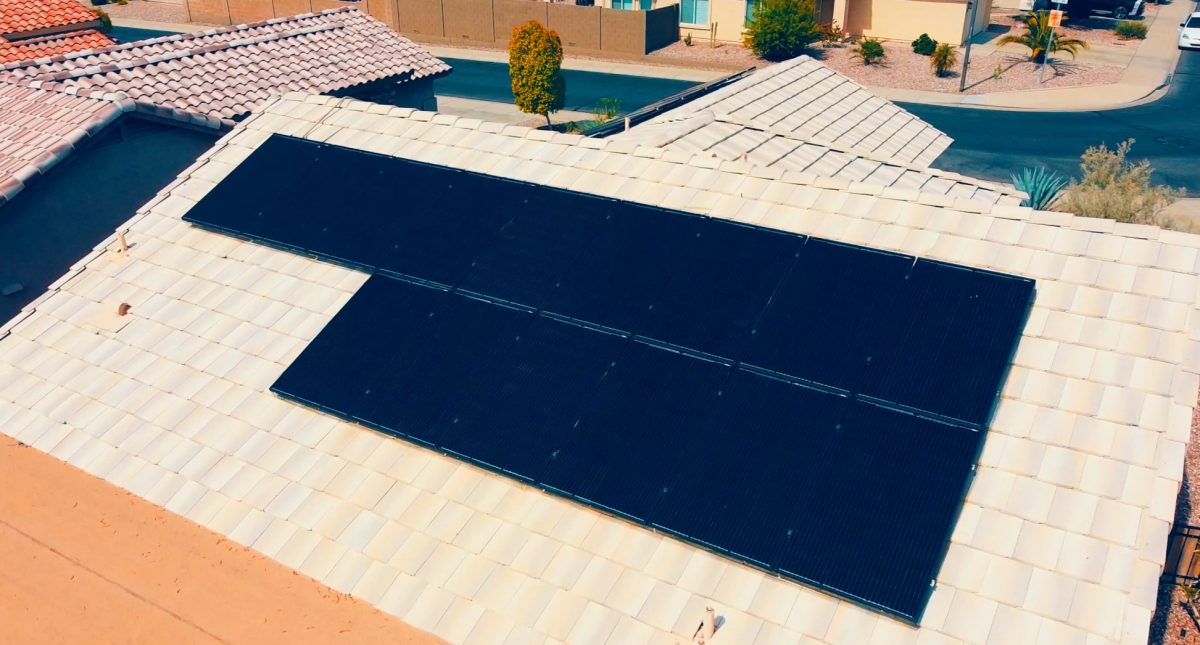
Tile roofs are different. They are workable, but they are labor-heavy and detail-sensitive. This is where problems usually start if the installer underestimates the job. Broken tiles, poor clearance, sloppy flashing details, or rushed handling can turn a routine install into a repair issue. A cheap tile quote is worth reading twice.
Shading, Orientation, and Limited Roof Space
Homeowners tend to think in terms of roof size, but solar design depends on usable roof space, not total roof space. Shade, poor orientation, setbacks, and roof obstacles can strip away a lot of what looks available from the ground. That is why some roofs need premium panels just to get a reasonable system size onto the usable sections.
There is nothing wrong with using higher-efficiency panels when space is tight. The problem is forcing a large design onto a roof that is only marginally suitable. At that point, the project gets more expensive and the value gets thinner. Most of the time, a clean layout on the best roof planes beats a larger layout spread across compromised ones.
Is Your Roof Ready for Solar
This part comes before the quote, even if a lot of people treat it like an afterthought. Residential panels usually weigh somewhere around 40 to 50 pounds each, and many installed systems add roughly 2 to 4 pounds per square foot. Those numbers are manageable on a lot of homes. They are not a free pass. Roof condition still matters, and so does the structure under it.
The second issue is roof lifespan. Solar is commonly expected to stay in place for 25 to 30 years. If the roof underneath is likely to need replacement much sooner than that, the project starts with a built-in conflict. That does not automatically kill the deal, but it absolutely changes the decision.
Roof Load and Structural Reality
People hear that solar only adds a few pounds per square foot and assume the structure question is settled. It is not. Load is only part of the story. The condition of the roof deck, framing, past repairs, and any visible sagging or deterioration matters just as much. A weak or aging roof can still be the wrong place for solar even if the dead-load numbers sound modest.
In practical terms, the benchmark helps you ask the right questions. It does not answer them for you. If there is any doubt about the structure, that should be resolved before the project moves forward. Guessing on this point is a bad idea. Structural uncertainty has a way of becoming everybody’s problem once the equipment is already on the roof.
Roof Age and Remaining Life
For asphalt roofs, the warning sign often shows up once the roof is around 10 to 15 years old. That is not a hard cutoff. Some roofs in that range still have useful life left. Others do not. The point is simple: if the roof has already aged substantially, the solar decision has to include the roof timeline.
Most people try to separate the two because it feels cheaper. That is the trap. If the roof needs replacement after the solar goes in, you may be paying roughly $1,500 to $6,000 just to remove and reinstall the panels before the roofing work even starts. That is money you can often avoid by making the roof decision first.
Should You Replace the Roof Before Installing Solar
In a lot of cases, yes. If the roof is already old enough that a reroof is likely during the life of the solar system, it usually makes more sense to deal with the roof first. That does not mean every homeowner needs to bundle both jobs. It means the roof and solar timelines should line up. If they do not, the roof will dictate the cost later.
Some combined roof-and-solar projects can end up around $40,000, depending on system size and roofing scope. That number gets attention, and it should. But it is still worth comparing against the cost of installing solar now and then paying for panel removal, reinstallation, and reroof coordination later. The bigger mistake is pretending those future costs do not exist.
In the field, the worst solar decisions are rarely about the panel brand. They usually start with an old roof and a homeowner trying to squeeze a few more years out of it. If the roof is near the end, install solar later or reroof first. Otherwise you are building extra cost into the project from day one.
Are Roof Solar Panels Worth the Cost
They can be. On the right roof, they often are. A practical benchmark for payback is around 10 years in many cases, with a long operating life beyond that. But that only holds if the roof lets the system stay put and perform without constant interruption. If the roof is old, hard to access, or likely to create service headaches, the value drops fast.
This is the part that gets oversimplified. Homeowners are told to look at utility savings and incentives, and those things matter. But the roof still controls the project. A reasonably priced system on a healthy, straightforward roof is often a much better financial decision than a larger or cheaper system on a roof that is clearly a problem waiting to happen.
Pros and Cons of Installing Solar Panels on a Roof
Roof-mounted solar makes sense for one obvious reason: the roof is already there. You are using existing space instead of building a separate structure, and that helps keep installed costs lower than many non-roof alternatives. For a lot of homes, that is the strongest argument in favor of rooftop solar.
The downside is just as obvious once you have seen enough jobs. Roof access is harder. Service work is harder. Any mistake with penetrations or flashing can create a water issue that has nothing to do with the electrical side of the system. Most homeowners only think about the first part. They should be weighing both.
| Expectation | Reality |
|---|---|
| Solar cost is mostly about panel brand | Roof shape, access, condition, and mounting details often move the price more |
| A cheap quote is the best value | A low quote can mean missing roof scope, weak flashing detail, or underpriced labor |
| Any roof can take solar | Panel weight may be manageable, but roof condition and structure still decide the issue |
| It is fine to fix the roof later | Later panel removal and reinstallation can add about $1,500 to $6,000 |
Practical Installation Specifics Homeowners Should Check Before Getting Quotes
A good quote should reflect the actual roof, not an idealized version of it. That means the installer should have a clear plan for attachment, flashing, layout around obstructions, and access. If those details are missing, the number on the quote is not as useful as it looks. This matters even more on metal and tile roofs, where the mounting method can change both price and long-term risk.
You do not need to be a contractor to spot weak scope. You just need to ask the right questions and pay attention to what gets answered clearly and what gets brushed aside. Most homeowners overlook this part because they assume all solar quotes are built the same way. They are not.
- Ask exactly how the system will be attached and flashed on your roof type.
- Make sure roof age and roof condition were part of the recommendation.
- Check how vents, skylights, hips, and valleys affect the usable layout.
- Ask whether the quote assumes simple access or difficult access.
If the answers are vague, that is a problem. A quote that skips roof specifics can turn into a change order after the site visit or a workmanship issue after installation. You do not need a sales pitch. You need to know how the job will actually be done on your roof.
Mistakes That Make Rooftop Solar Cost More Than It Should
The biggest mistakes are boring. That is why they are expensive. People install on roofs that are too old. They compare total price without checking cost per watt or roof scope. They assume all mounting methods are basically the same. They accept vague proposals because the price looks good. This is where problems usually start.
Maintenance gets misunderstood too. Some homeowners assume solar never needs attention. Others get sold into routine paid service they probably do not need. Cleaning is a good example. A professional cleaning might cost less than $10 per panel, but that does not mean every array should be cleaned on a schedule. In many places, rainfall handles most of it. In dusty areas or where bird droppings and debris build up, cleaning becomes more important. The point is to match the maintenance to the site, not to guess.
- Installing on an aging roof just to avoid reroof costs now.
- Comparing quotes by total project price instead of dollars per watt and roof scope.
- Accepting vague language about flashing, tile handling, or attachment details.
- Assuming more panels always means better value.
The financial hit can be very real. Panel removal and reinstallation for reroofing can add roughly $1,500 to $6,000. Poor tile work can lead to broken tiles and leak repairs. A quote revision after a proper site visit can blow up the original budget. None of that is rare. These are common homeowner mistakes, and they are expensive because they show up after the commitment has already been made.
FAQ
How much does rooftop solar usually cost?
A practical industry range is about $2.50 to $3.50 per watt for many residential rooftop systems. That often puts a 6 kW system somewhere around $15,000 to $21,000 before incentives.
How much does it cost to remove panels for a new roof?
A typical service benchmark is about $1,500 to $6,000 for removal and reinstallation, depending on the size of the array, roof access, and job complexity.
Can my roof handle the weight of solar panels?
Many can, but it should never be assumed. Residential panels often weigh around 40 to 50 pounds each, and installed systems commonly add about 2 to 4 pounds per square foot. Roof condition and structural capacity still need to be checked.
Should I replace my roof before adding solar?
If your asphalt roof is already around 10 to 15 years old and likely to need replacement well before the solar system is done producing, it often makes sense to handle the roof first.
Do solar panels always need professional cleaning?
No. In many areas, normal rainfall does most of the work. Professional cleaning makes more sense when dust, pollen, bird droppings, or debris are clearly affecting production.