How Long Does It Take to Install Solar Panels on a Roof?
Quick Answer: 2–6 Months Total
A typical solar panels roofing timeline runs about 2–6 months from signed agreement to activation. The actual roof work is much shorter. For many standard residential projects, the crew is on the roof for about 1–3 days. The slow parts are usually not the panels. They are permits, inspection scheduling, utility approval, roof-access planning, and permission to operate. The real decision is not just, “When can someone install panels?” It is, “When will the system be installed, inspected, approved, and allowed to run?”
Installation Day Is Not Activation Day
Most people miss this part. The panels can be mounted, the crew can clean up, and the system still may not be ready to use. After installation, the project often still needs final inspection and utility permission to operate. A common field range for that post-install approval period is 1–6 weeks, depending on the utility, inspection results, paperwork, and local workload.
Main Solar Roofing Timeline
Consultation And Roof Review
The first step is usually a consultation, utility bill review, and basic roof screening. The installer is trying to confirm whether the roof is a reasonable candidate for solar, whether the electrical service looks workable, and whether obvious roof problems could slow the job later.
This stage should not turn into a full cost-per-watt or payback discussion if the question is timeline. The useful issue is simpler: can the roof move into design without a major interruption? Damaged shingles, soft decking, tired flashing, sagging roof sections, or difficult access can all push the project into a roof inspection or repair step before permitting.
Site Survey And Measurements
The site survey is where the early assumptions get checked. A technician verifies roof dimensions, roof planes, attic access if needed, electrical panel location, meter location, inverter placement, and where the crew can safely work.
This is where problems usually start if the job was sold too loosely. The roof may be steeper than expected. The electrical panel may be crowded. The attic may not be accessible. The best designs come from a real site check, not just a clean-looking satellite image.
System Design And Engineering Review
After the survey, the installer builds the design package. That usually includes the panel layout, racking plan, electrical diagram, equipment details, and structural information the local authority wants to see.
Roof-mounted solar is attached to the building, so the design has to work as a roof project and an electrical project. A simple roof may move through this step quickly. A complex roof, flat roof, older structure, electrical upgrade, or strict local review process can add time before anyone submits for a permit.
Permits Often Take 2–8 Weeks
Permit timing is one of the main reasons solar roofing projects take months instead of days. A practical range for manual permit approval is often 2–8 weeks. Some cities are faster. Some are slower. The local authority, workload, plan-review process, and project complexity all matter.
Some jurisdictions use automated permitting tools for eligible residential solar projects, which can shorten this stage. That is helpful when the project fits the standard pathway. Plenty of homes still go through manual review, especially when the roof layout, structural details, electrical work, or local code requirements need closer attention.
| Timeline Stage | Typical Range | Main Delay Driver | Homeowner Control |
|---|---|---|---|
| Consultation and survey | Several days to 2 weeks | Scheduling and site access | Moderate |
| Design and engineering | 1–3 weeks | Roof complexity and electrical details | Low to moderate |
| Permit approval | 2–8 weeks | Local AHJ review backlog | Low |
| Rooftop installation | 1–3 days | Roof access, weather, crew size | Moderate |
| Inspection and PTO | 1–6 weeks or longer | Inspection results and utility processing | Low to moderate |
The takeaway is blunt: the roof work is usually not the bottleneck. Permits and utility approval often control the real schedule, so a serious quote should show the full path, not just the install date.
Equipment Ordering And Scheduling
After permit approval, the installer can lock in equipment and schedule the crew. Standard panels, racking, and inverter setups are usually easier to coordinate. Specialty mounting, unusual roof conditions, service-panel work, or limited crew availability can stretch the calendar.

Weather matters too. Rain, snow, ice, high wind, and extreme heat can move roof work. A responsible crew should not be walking panels across an unsafe roof just to protect a calendar date.
Rooftop Installation Takes 1–3 Days
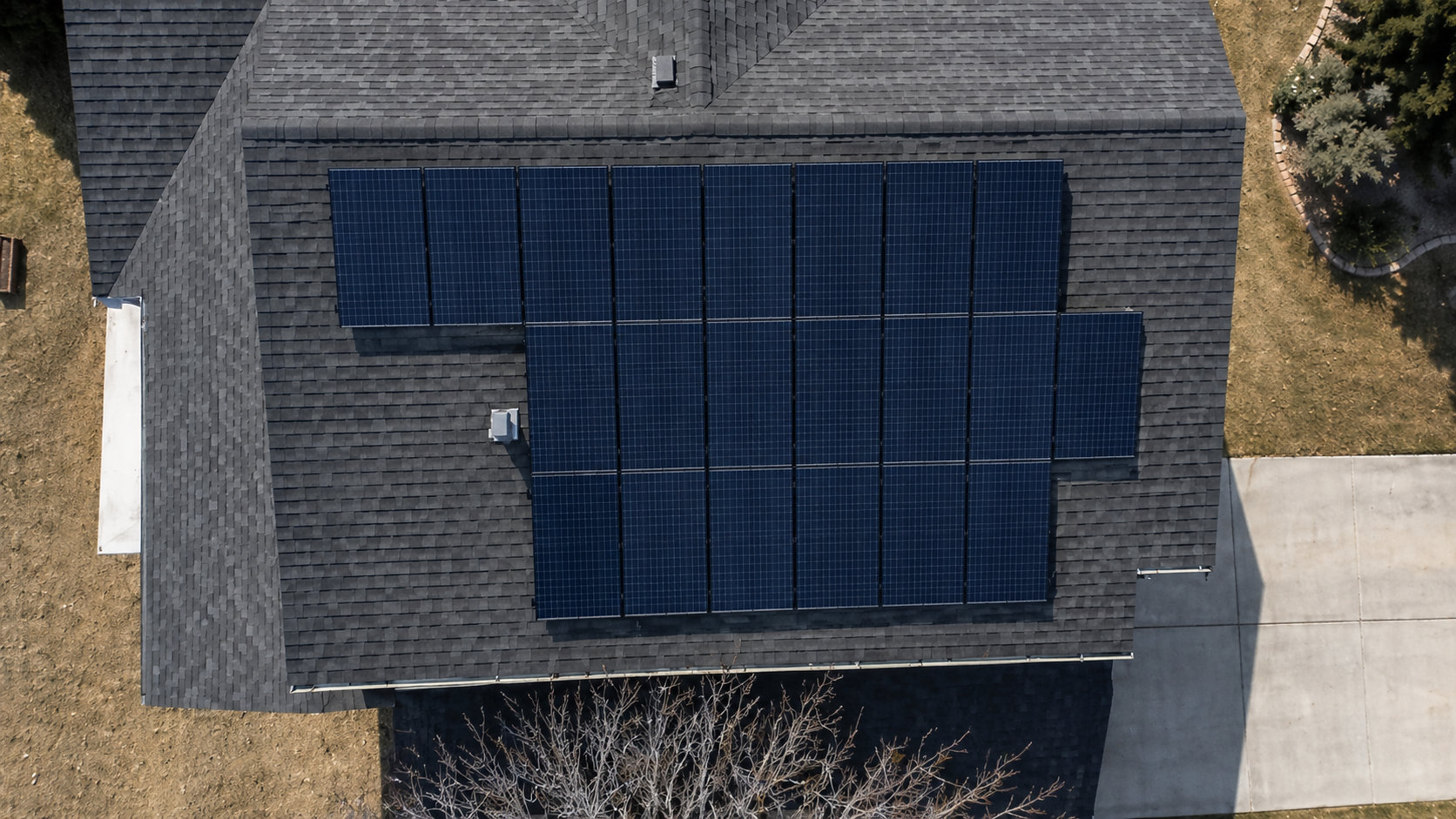
The visible part of the job is often the shortest part. For many standard residential systems, rooftop installation takes about 1–3 days. Larger systems, steep roofs, multiple roof planes, flat-roof mounting, electrical upgrades, tile work, or difficult access can add time.
During this stage, the crew installs attachments, flashing or mounting hardware, rails or racking, panels, wiring, inverter equipment, and required labels. Good installers are thinking about inspection while they work. Fast work that fails inspection is not fast anymore.
Local Inspection After Installation
After installation, the local inspector checks whether the system matches the approved permit and meets applicable building and electrical requirements. Correction items can involve labeling, grounding, wiring, panel layout, disconnects, roof attachment details, or documentation mismatches.
A failed inspection can delay activation because the installer has to fix the issue and schedule reinspection. Minor corrections may only cost time. Bigger electrical or roof-related corrections can become expensive. A practical service benchmark is that correction work can run from a small internal fix to hundreds or even thousands of dollars when the defect is more involved.
Utility PTO Often Takes 1–6 Weeks
Permission to operate, or PTO, is the utility’s approval for the system to operate under its interconnection rules. A common field range is 1–6 weeks after inspection approval, though some utilities move faster and others take longer.
The utility may need inspection records, equipment documents, interconnection forms, diagrams, photos, meter work, or account updates. If paperwork is missing or wrong, the roof may be finished while the system still waits in the queue.
Practical Timeline Details
A Simple 2–6 Month Example
A normal residential timeline might look like this: several days to two weeks for consultation and site survey, one to three weeks for design, two to eight weeks for permits, one to three days for installation, then one to six weeks for inspection and PTO. Those are practical ranges, not promises.
A good installer will explain those stages before you sign. “We can install soon” is not the same as “your system will be approved and operating soon.” Those are different milestones.
What Happens During Installation
On installation day, the crew sets up access, stages material, confirms the roof layout, installs roof attachments, places racking, mounts panels, runs wiring, installs or connects inverter equipment, and handles required labeling.
The homeowner does not need to supervise the technical work. But access matters. Blocked driveways, locked gates, pets, cluttered utility rooms, or an inaccessible electrical panel can slow the day down fast. In some cases, the crew may have to reschedule part of the work.
Racking, Panels, Wiring, Inverters
The roof portion is mostly about attachment, layout, waterproofing, and clean wiring. The racking has to be secured correctly. Roof penetrations need proper flashing and sealing. Panels need to match the approved layout. Wiring has to be routed and protected properly.
Do not judge the job only by how quickly the panels appear on the roof. The better test is whether the work protects the roof, matches the permit, keeps wiring controlled, and passes inspection without avoidable corrections.
From a contractor’s point of view, a fast crew is only good if the details are right. A clean 1–3 day installation is a win. A rushed install that fails inspection just moves the delay to the back end.
Why Panels May Stay Off
It is normal for panels to be installed before the system is allowed to operate. The project may still need local inspection, utility review, meter work, or final PTO.
This can be frustrating because the roof looks finished. The panels are there. The crew is gone. But the missing step is approval, not sunlight. Until that approval is issued, the system may remain off or limited.
What Homeowners Should Prepare
- Clear the driveway or staging area before the crew arrives.
- Make sure the electrical panel and meter are accessible.
- Unlock gates, attic access, garages, or utility rooms if needed.
- Move vehicles, patio furniture, and items near ladder zones.
- Keep pets and children away from the work area.
- Ask who will update you after inspection and PTO submission.
These steps will not speed up the city or utility. They can prevent a simple install day from turning into a rescheduling problem.
Roof-Specific Timing Issues
Roof Repairs Can Add 1–3 Weeks
If the roof needs repair before solar, a practical industry estimate is an added 1–3 weeks. That can be shorter or longer depending on roofer availability, weather, materials, repair scope, and whether the solar design has to change afterward.
This does not mean every older roof must be replaced before solar. It means unresolved roof problems can interrupt the timeline. Loose shingles, cracked tile, rotten decking, bad flashing, or uncertain structure should be handled before mounting equipment goes on top.
Roof Age, Decking, And Flashing
The installer checks roof condition because solar depends on a stable, watertight surface. Decking affects attachment. Flashing affects leak protection. Brittle roofing materials can make the work slower and riskier.
The point here is timeline, not a full roof replacement debate. Roof issues found early can be planned around. Roof issues found late can disrupt permitting, installation, and inspection.
Roof Work Before Final Permit
If roof repair is needed, it is usually cleaner to resolve that before the solar permit is finalized. Changes to roof planes, attachment points, or structural assumptions after permit submission may require revised plans.
When comparing quotes, ask this directly: “Has the roof been physically assessed, or is the proposal based mainly on remote design?” Remote design can be useful. It is not the same as a roof condition review.
Weather Can Delay Crews
Solar roof work depends on safe footing and safe access. Heavy rain, snow, ice, high wind, lightning, and extreme heat can all push the crew date.
One weather delay may not sound like much, but crew calendars stack up. A missed day can push the project into the next available installation slot.
What Causes Timeline Delays
Permit Backlogs
Permit backlogs are one of the most common reasons solar timelines stretch. Some local authorities process solar quickly. Others take weeks because of manual review, staffing limits, structural checks, fire setbacks, electrical details, or correction cycles.
Ask for local experience, not a national average. An installer who works in your city should know whether the permit office usually moves fast, asks for revisions, or slows down during busy seasons.
Utility Interconnection Delays
Utility delays usually show up after the homeowner thinks the job is almost done. The panels are on. The inspection may be complete. The system looks ready. Then it waits for interconnection approval.
Delays can come from missing forms, incomplete inspection records, meter requirements, utility queue volume, or account mismatches. PTO-related charges vary widely. A practical range can be $0–$1,500 depending on the utility and state rules, but the larger risk for many homeowners is delayed production credit.
Roof Problems Found Late
Late roof discoveries are expensive in time. Soft decking, cracked tile, brittle shingles, poor access, or unusual framing should be caught before the crew shows up. If not, the installer may need to stop, bring in a roofer, revise the mounting plan, or get engineering involved.
The repair may be only part of the cost. The bigger hit can be lost crew scheduling, change orders, reinspections, and a later activation date.
HOA Or Design Approval
Some projects need HOA or community design approval before installation. This can add days or weeks, depending on the neighborhood rules and meeting schedule.
HOA approval is not the same as city permitting. You may need both. One approval does not guarantee the other is finished.
Equipment And Installer Scheduling
Standard roof-mounted systems are easier to schedule than specialty projects. Unusual mounting, battery additions, electrical upgrades, service-panel work, or limited crew availability can stretch the calendar even after permit approval.
After the permit is issued, ask where your project sits in the crew queue. Permit approval does not always mean installation starts the next morning.
Failed Inspection Or Corrections
A failed inspection creates another loop: identify the problem, send a crew, correct the work, request reinspection, and wait again. Common correction items include labels, grounding, disconnect location, wiring protection, plan mismatch, roof attachment documentation, and panel layout differences.
The homeowner does not need to become an inspector. The practical move is to choose an installer with strong permit discipline and ask how corrections are handled if the first inspection does not pass.
| Delay Source | Why It Happens | Typical Impact | Best Control |
|---|---|---|---|
| Permit backlog | Manual local review | Weeks added before install | Local installer experience |
| Roof repair | Damage found during survey | About 1–3 weeks added | Early roof assessment |
| Failed inspection | Code or documentation issue | Rework and reinspection | Accurate plans and clean install |
| Utility PTO delay | Paperwork or queue issue | Often 1–6 weeks | Complete interconnection packet |
| Weather | Unsafe roof conditions | Days or schedule shift | Flexible installation window |
The pattern is consistent: delays usually come from approvals, corrections, access, roof condition, or paperwork. The panels are rarely the slowest part.
Timeline Questions Before Signing
Ask About Local Permit Timing
Ask the installer how long permits usually take in your city or county. The answer should be local. “Permits are quick” is weak. A better answer explains the normal review window, whether automated permitting applies, and what usually causes revisions.
Ask About Roof Repairs
Ask whether the proposal assumes the roof is ready now. If repairs are needed, ask who coordinates the roofer, whether the solar layout changes afterward, and whether the installation schedule pauses until the roof is cleared.
Ask Who Handles PTO
PTO is a common handoff problem. Ask who submits the utility paperwork, who follows up, who receives approval, and how you will know when the system can be turned on.
Ask When Payments Are Due
Payment milestones should line up with real project milestones. Some contracts bill at signing, permit approval, installation, inspection, or activation. Read the language closely.
The risk is paying a large balance when the roof installation is finished but the system is not yet approved to operate. That may or may not be acceptable, but it should not be a surprise.
Ask About Missed Install Windows
Ask what happens if the estimated installation window slips. Who gives the revised date? Are permit delays treated differently from installer delays? Is roof repair time excluded from the original schedule?
A solar project has several handoffs. Each one needs an owner. If no one owns the handoffs, the homeowner usually ends up chasing updates.
Mistakes To Avoid
Assuming Same-Day Production
The most common expectation mistake is assuming the system starts producing usable credited power the day the panels are installed. Many systems still need inspection and PTO before operation.
The financial consequence is delayed savings. A homeowner may expect the electric bill to drop right away, then find out approval takes several more weeks.
Delaying Roof Repairs
Known roof repairs should not be pushed to the last minute. If the issue is handled before design, the project can be planned correctly. If it shows up after permitting or during installation, the timeline can unravel.
The repair cost is only one piece. Change orders, missed crew dates, revised plans, and delayed activation can hurt just as much.
Scheduling Other Projects
Do not stack solar installation on top of driveway work, gutter replacement, exterior painting, tree work, roofing, or electrical projects unless the contractors are coordinated.
Solar crews need access. If another trade blocks the driveway, changes the roof, removes safe staging, or occupies the electrical area, the solar job can stall.
Ignoring Permit Dependencies
Tracking only the installation date is a mistake. The real chain is design, permit, installation, inspection, utility approval, and activation. If one link stalls, the finish date moves.
Before signing, ask for the timeline by stage. A staged timeline is far more useful than a single promised month.
Choosing A Vague Installer
A vague installer may still do decent roof work, but weak process control creates stress. If the company cannot explain permits, inspections, utility paperwork, roof-access planning, and correction handling, expect confusion later.
When comparing quotes, do not compare only price and panel brand. Compare the process. A cheaper proposal can cost time if nobody is managing the timeline.
Solar Roofing Timeline Checklist
Before Signing
- Confirm the expected full timeline from contract to activation.
- Ask whether the roof has been physically reviewed.
- Clarify whether roof repairs are included, excluded, or unknown.
- Ask for typical permit timing in your jurisdiction.
- Confirm when payments are due and what each milestone means.
Before Permitting
Before permits are submitted, review the layout, equipment, roof assumptions, inverter location, and any electrical upgrades. This is the best time to catch problems. Changes after permit submission can slow everything down.
Before Installation Day
Clear the driveway, roof-edge access, electrical panel, attic if needed, and meter area. Confirm the arrival window, expected number of workdays, whether power will be interrupted, and whether someone needs to be home.
After Installation
After the roof work is done, track inspection and PTO. Ask whether inspection passed, whether corrections are needed, whether interconnection paperwork has been submitted, and who will notify you when activation is allowed.
| Homeowner Checkpoint | Question To Ask | Why It Matters |
|---|---|---|
| Contract review | Does the timeline end at install or PTO? | Prevents activation confusion |
| Roof review | Has the roof been checked in person? | Reduces late repair delays |
| Permit stage | What is the local approval window? | Sets realistic expectations |
| Install scheduling | What access does the crew need? | Prevents rescheduling |
| Post-install | Who owns PTO follow-up? | Protects activation timing |
The most important checkpoint is defining the finish line. One installer may mean “panels installed.” Another may mean “approved and operating.” Those are not the same timeline.
FAQ
How long does roof solar installation take?
The physical rooftop installation often takes 1–3 days for a standard residential system. The full project commonly takes 2–6 months because design, permits, inspections, utility review, and PTO happen around the roof work.
Why does solar take months?
Solar takes months because the project depends on outside approvals. Engineering, local permits, inspection, utility interconnection, and final PTO can all affect the schedule. The roof crew is only one part of the process.
Can solar go on before roof work?
Solar can be installed on many existing roofs, but unresolved roof repairs should be handled before solar installation whenever possible. If a roof issue is found late, a practical industry estimate is an added 1–3 weeks, and longer delays are possible if design or scheduling changes are needed.
When do panels start working?
Panels usually start operating after the system passes inspection and the utility grants permission to operate. A typical PTO window is 1–6 weeks after inspection approval, depending on the utility and paperwork.
What causes the biggest delays?
The biggest delays usually come from permit backlogs, utility PTO processing, failed inspections, late roof repairs, weather, HOA review, or installer scheduling. A clear staged timeline before signing is the best way to avoid surprises.