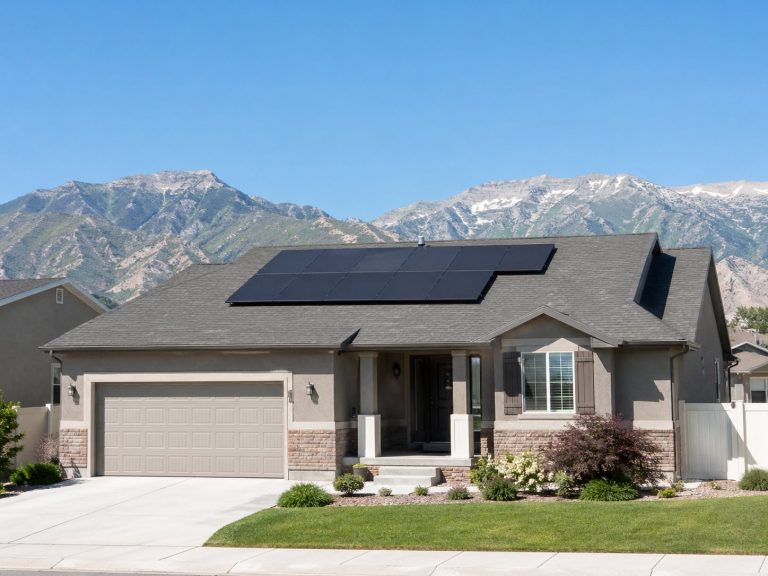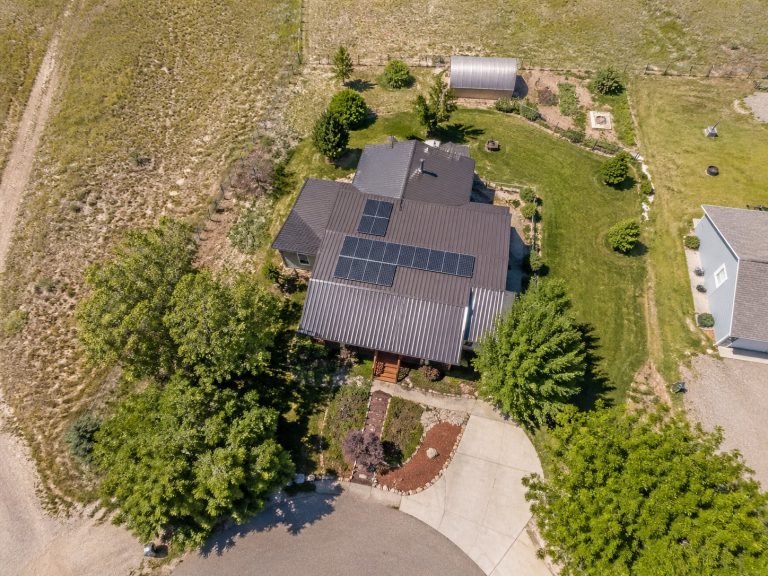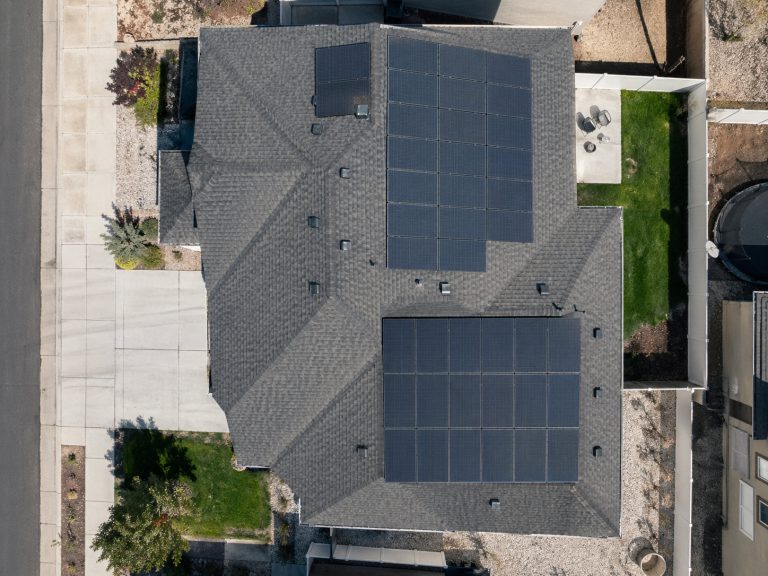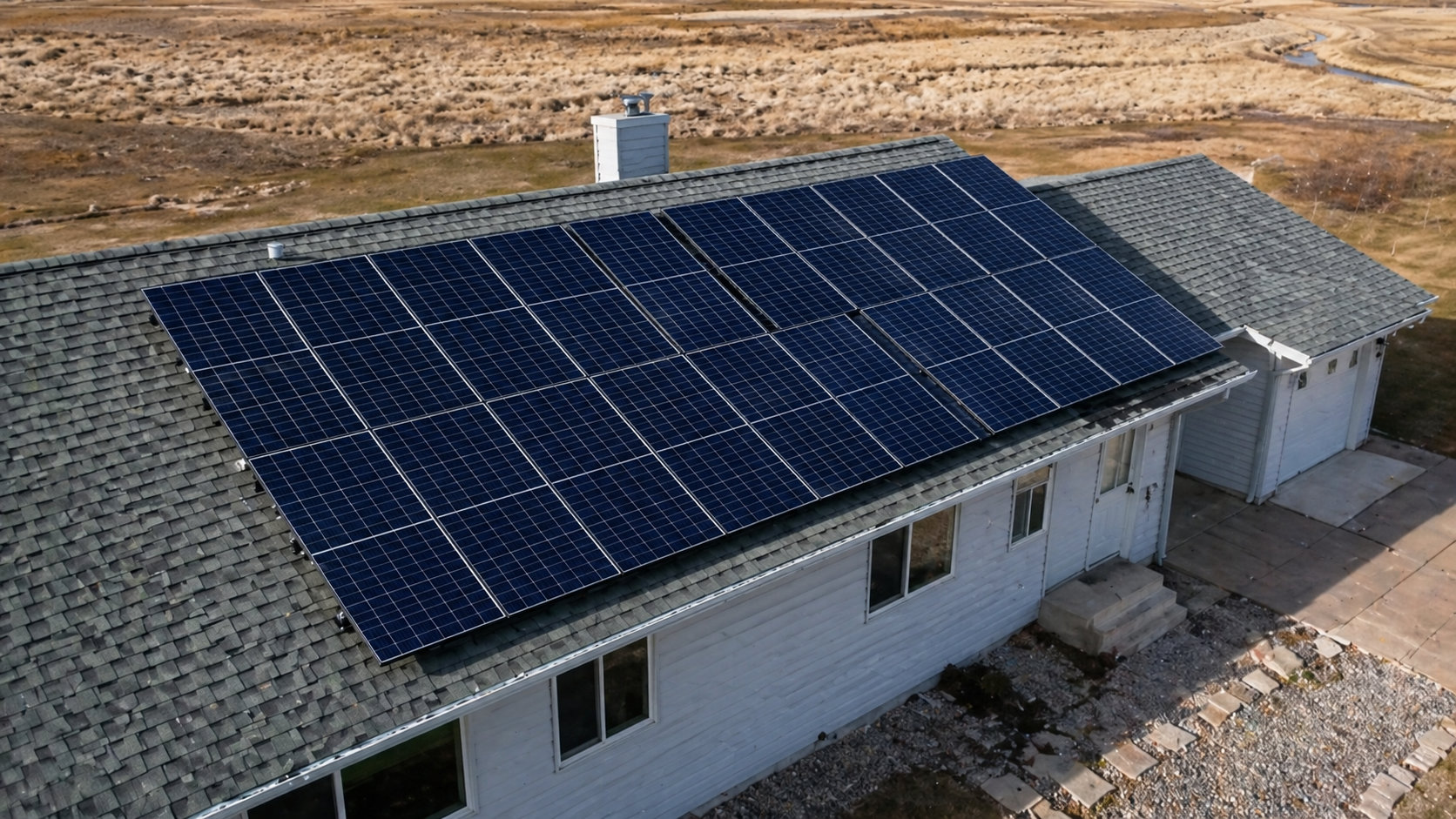
Solar Panels and a New Roof: Which Should Come First?
Quick Answer: Replace the Roof First If Under 10 Years
If your roof has less than about 10 years of realistic life left, replace it before installing solar panels. That is the safer call in most real-world projects. A solar array is usually expected to sit on the roof for decades, so installing it on a tired roof often creates a second job later: remove the panels, store them, reroof, reinstall the panels, and get the system checked before it runs again. A typical field estimate for that detach-and-reset work is about $1,500 to $6,000, depending on system size, roof access, and electrical requirements. The question is not just “Can solar go on this roof?” The better question is “Will this roof last long enough that I do not have to pay for the same project twice?”
Solar Panels and a New Roof
Why Timing Matters Most
When a homeowner is deciding between solar panels and a new roof, the main issue is timing. Not solar technology. Not whether panels are useful. Timing.
The roof is already doing a job. It has shingles or another roof covering, underlayment, flashing, decking, vents, penetrations, drainage paths, and warranties. Solar adds another layer of work: racking, attachments, flashing, wiring routes, inspections, and future service access. If the roof is in good shape, that can be a clean project. If the roof is already worn out, solar can make a simple roof problem more expensive.
In the field, the best decision usually comes down to three things: roof condition, remaining roof life, and responsibility if something leaks later. A solar installer may say the roof is acceptable for panels. That does not always mean the roof has been inspected the way a roofer would inspect it.
The Core Question
The core question is simple: will the roof last long enough to justify putting solar on it now?
If yes, installing solar on the existing roof may be reasonable. If no, replacing the roof first is usually the cleaner path. This is where people often get distracted. They look at solar production, incentives, and monthly payments before they settle the roof question.
Fit is not enough. A roof can have plenty of open space and still be a poor candidate. Brittle shingles, failing flashing, soft decking, old patchwork, or unclear warranty language can all turn into expensive problems after panels are installed.
Why 25–35 Year Solar Lifespans Matter
Solar panels are usually treated as a long-life improvement. A typical planning range for panel service life is about 25 to 35 years. Output gradually declines over time, and a common industry estimate for degradation is around 0.5% per year.
That long timeline is exactly why the roof matters. If a roof is already 17 or 20 years old, the solar system may easily outlast it. The panels may still be producing power while the roof underneath needs replacement.
That mismatch is the expensive part. Once panels are installed, roof replacement is no longer just a roofing job. It becomes a roofing-and-solar coordination job.
Option 1: Install Solar on Existing Roof
When Keeping the Roof Works
Keeping the current roof can make sense when the roof is newer, dry, structurally sound, and well documented. If the roof has no active leaks, no major wear, and enough remaining service life, replacing it early just because solar is coming may be unnecessary.
But “looks fine from the ground” is not enough. A proper pre-solar roof review should look at the actual roof surface, flashing, penetrations, decking concerns, past leaks, and warranty issues. Most people miss this part because the solar quote feels like the main event. It is not. The roof decision comes first.
Good Fit: 10–15+ Years Left
A roof with more than 10 to 15 years of realistic life left is usually a better candidate for solar now. That does not mean every roof in that range is safe. Climate, installation quality, attic ventilation, storm exposure, tree cover, and material quality all change the answer.
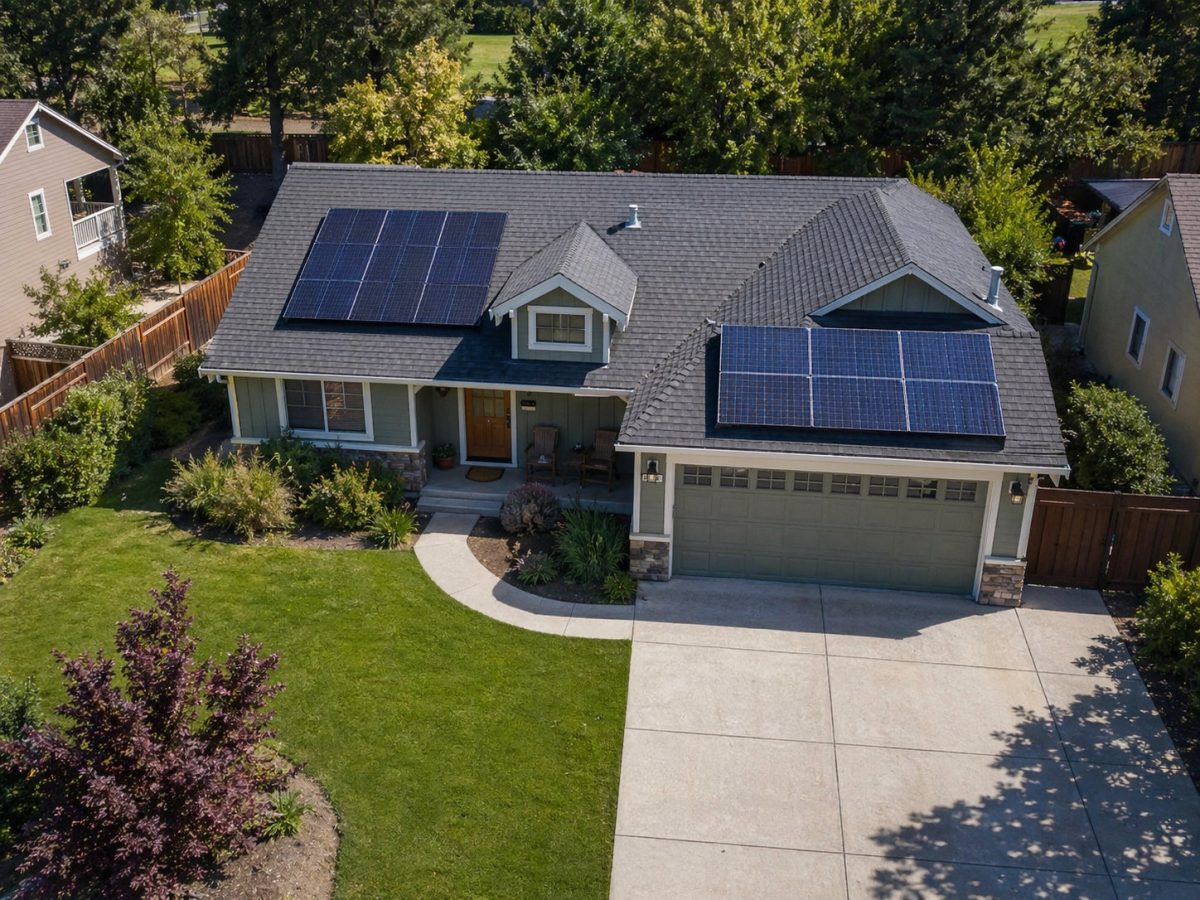
Roof age is only a starting point. A 12-year-old roof with bad flashing and poor ventilation may be worse than an older roof that was installed well and maintained properly. For solar decisions, the condition of the roof in front of you matters more than the average lifespan listed for that material.
What a Roofer Should Confirm
Before solar goes on an existing roof, a roofer should confirm that the roof covering is not brittle, loose, curling, cracked, or near failure. Flashing around chimneys, sidewalls, skylights, plumbing vents, and other penetrations should be checked. If attic access is available, the underside of the roof deck should be reviewed for staining, moisture trails, soft areas, or old leak evidence.
- Roof age and installation records
- Shingle, tile, metal, or membrane condition
- Decking softness, staining, or prior leak signs
- Flashing condition around existing penetrations
- Warranty language related to solar attachments
Get it in writing. Photos help. A short roof condition note helps. If a leak appears later, documentation can make the difference between a clear repair path and three parties blaming each other.
Main Risk: $1,500–$6,000 Reinstall
The main risk of installing solar on an aging roof is not that the solar system fails. The risk is that the roof fails while the solar system is still worth keeping.
At that point, the panels usually have to come off. That can mean disconnecting the system, removing panels and racking, storing equipment, replacing the roof, reinstalling the system, testing it, and sometimes dealing with inspection or recommissioning requirements. A typical residential field estimate for that kind of removal and reinstallation is about $1,500 to $6,000. Larger systems, steep roofs, difficult access, fragile roof materials, or extra electrical work can push the number higher.
Option 2: Replace the Roof First
When Replacement First Is Safer
Replacing the roof first is usually the safer move when the roof is near the end of its life, already leaking, storm damaged, poorly flashed, or showing signs of weak decking. If those problems exist, solar does not make them go away. It makes them harder to reach.
This is where the cheap-looking choice can backfire. Installing solar first may avoid a roof bill today, but it can create a more expensive roof bill later.
Best Fit: Aging Asphalt Roofs
This decision comes up constantly with older asphalt shingle roofs. Asphalt roofs are common, and many fall somewhere around a 20 to 30 year service-life range depending on material, climate, ventilation, and workmanship. If the roof is already late in that range, do not rush solar onto it without a roofer’s opinion.
Warning signs include curling shingles, heavy granule loss, brittle tabs, exposed fasteners, repeated patching, stains inside the attic, or flashing that has clearly been repaired more than once. Any of those conditions should slow the solar decision down.
Why New Roofs Reduce Risk
A new roof does not guarantee that a solar installation will never leak. Bad workmanship can still cause problems. But a new roof removes a lot of uncertainty.
The solar installer is not working over brittle shingles or old flashing. The roofer can repair decking before the mounting plan is finalized. The homeowner can ask about warranty language before anyone starts drilling, flashing, clamping, or sealing solar attachments.
The real advantage is clarity. You know what roof the solar system is being installed on. You know who replaced it. You know what warranty applies. That is much better than guessing whether an old roof problem started before or after the panels went on.
How Replacement Simplifies Mounting
When the roofer knows solar is coming, the roof can be prepared with better coordination. The roofer can document deck repairs, note roof layers, keep records of flashing work, and avoid surprises in the areas where panels are likely to be mounted.
From a contractor perspective, the cleanest projects happen when the roofer and solar installer know about each other before either contract is finished. The problem is not just the roof covering. It is the handoff: flashing details, penetrations, warranties, access, and who gets called if water shows up later.
Option 3: Do Roof and Solar Together
When Coordinating Both Makes Sense
Doing the roof and solar together can be smart when the roof clearly needs replacement and the homeowner already plans to install solar. In that case, one coordinated schedule can reduce confusion and avoid installing panels on a roof that is about to be torn off.
Still, bundled does not automatically mean better. It only works well when the scope is clear, the pricing is broken out, and the warranty responsibilities are written plainly.
How One Timeline Reduces Delays
A coordinated timeline can prevent two common headaches. First, it avoids replacing the roof and then discovering the solar design no longer fits because vents, skylights, or roof details changed. Second, it avoids installing solar and then learning that the roof should have been replaced first.
A good sequence is straightforward: inspect the roof, finalize roof scope, complete roof replacement, install solar after the roof is ready, document the attachment details, then finish inspections and activation steps. It still takes planning. “Combined project” does not mean “no delays.” It means fewer avoidable ones.
What Must Be Clear
The proposal should separate roofing work from solar work. Roofing materials, tear-off, underlayment, decking repairs, flashing, ventilation changes, solar equipment, racking, electrical work, permits, interconnection, and inspection requirements should not be buried in one vague total.
Also ask who is actually doing the work. Some companies sell both roofing and solar but subcontract one side. That can be fine, but the homeowner needs to know who stands behind each part of the finished system.
Why One Contract Is Not Always Cheaper
One contract can be convenient. It can also hide the numbers.
If the roof and solar are bundled into one price, the homeowner may not know whether the roof is overpriced, the solar is overpriced, or financing is carrying extra cost. A “free roof” offer should always be treated as a pricing structure, not a free improvement.
Ask for line items. Even if one company handles the whole job, the roof scope and solar scope should be clear enough to compare against independent bids.
Comparison Table
Best Choice by Roof Age
Use this as a decision filter, not a substitute for inspection. Roof age helps, but condition decides the job.
| Roof situation | Likely best path | Main reason | Key check |
|---|---|---|---|
| Newer roof with 15+ years left | Install solar on existing roof | Roof life is better aligned with solar ownership | Confirm flashing, decking, and warranty terms |
| Roof with 10–15 years left | Compare both paths | Borderline remaining life may justify roof work first | Get roofer inspection and detach-reset estimate |
| Roof with 5–10 years left | Usually replace first | Higher chance of reroofing during solar life | Compare roof-first cost against future removal |
| Roof with under 5 years left | Replace before solar | Solar will likely need to come off soon | Coordinate roof and solar scopes early |
| Active leaks or soft decking | Repair or replace first | Panels will make access and diagnosis harder | Document repairs before solar installation |
The takeaway is blunt: solar can go on many existing roofs, but it should not be used to ignore a roof that is already aging out. The closer the roof is to replacement, the more the future removal cost matters.
Best Choice by Risk
Solar now is lower risk when the roof is newer, dry, inspected, and documented. Roof first is lower risk when the roof condition is uncertain. A coordinated roof-and-solar project is often the better fit when replacement is already needed and the homeowner wants solar soon.
The highest-risk path is installing solar on a roof no qualified roofer has evaluated. That creates two unknowns at once: whether the roof will last and who pays if it does not.
Best Choice by Contractor Coordination
Separate contractors can work well. Bundled companies can work well. The business model is not the issue.
The issue is responsibility. Before signing, the homeowner should know who installs the roof, who installs the solar mounts, who flashes penetrations, who handles leaks around attachments, and who pays if panels must be removed later for roofing work.
Decision Criteria
If the Roof Has 15+ Years
If the roof has 15 or more realistic years left, solar on the existing roof is often reasonable. Still, get the roof checked. A newer roof with bad flashing or hidden decking problems is not automatically safe just because the roof is not old.
If the Roof Has 5–10 Years
This is the gray area. A roof with 5 to 10 years left may not need replacement today, but it may need replacement well before the solar system is done producing.
In this range, compare the roof-first option against the likely future removal and reinstallation cost. A typical field estimate of $1,500 to $6,000 is enough to change the math for many homeowners. Also factor in the hassle: scheduling crews, protecting equipment, losing production while the system is offline, and dealing with inspections or recommissioning.
If the Roof Has Under 5 Years
If the roof has less than 5 years left, installing solar first is usually a bad idea. The roof replacement is too close. The odds of paying for panel removal later are too high.
At that stage, visible warning signs are common: brittle shingles, repeat repairs, flashing patches, attic stains, sagging areas, or small leaks that keep coming back. Do the roof first, then install solar on a surface that is expected to last.
If There Are Leaks or Damage
Leaks, soft decking, storm damage, missing shingles, cracked tiles, or failed flashing should be fixed before solar goes on the roof. Once panels are installed, access gets harder. Leak tracing also gets messier because water can travel under panels or along framing before it shows up indoors.
Do not let anyone talk you into covering a known roof problem with a solar array. That is not a repair strategy.
If You Are Switching Materials
If the roof replacement will use a different material, tell the solar contractor early. Asphalt shingles, tile, standing seam metal, low-slope membrane, and specialty roofs do not all use the same mounting approach.
This matters for flashing, clamps, attachment locations, labor, warranty language, and future service access. The solar design should match the roof that will be installed, not the roof that is being removed.
Quote Comparison
Ask for Separate Pricing
Ask for separate roof and solar pricing even if one company is selling the whole package. The roof side should identify tear-off, underlayment, roof covering, decking allowances, flashing, ventilation changes, permits, and cleanup. The solar side should identify system size, equipment, mounting, electrical work, permits, interconnection, and inspection-related costs.
If the quote cannot separate those items, comparison becomes guesswork. That is not a good position when the project may involve tens of thousands of dollars.
Ask About Leak Responsibility
Leak responsibility should be written clearly. Ask who covers leaks at solar attachments. Ask who covers existing roof areas. Ask what happens if the source of the leak is disputed.
This matters most when one contractor installs the roof and another installs solar later. The roofer may not want responsibility for third-party penetrations. The solar installer may not want responsibility for old roof defects. The homeowner should not be stuck between them.
Ask About Future Reinstallation
If there is any chance the roof will need replacement during the life of the solar system, ask about removal and reinstallation before signing. Do not wait until the roof is leaking.
A useful answer should explain who disconnects the system, where panels are stored, who reinstalls them, whether new inspections may be required, and what happens to warranties after the system is reinstalled.
Ask About Roofing Warranty
Roof warranties can be affected by penetrations, third-party work, improper flashing, or unapproved mounting methods. The details vary by roofing manufacturer, installer, roof material, and mounting system.
Ask the roofer directly: “What happens to my roof warranty after solar is installed?” Get the answer in writing if possible. A quick verbal answer is not enough when water damage is on the line.
Ask About Solar Layout
The solar layout should be based on the final roof, not the old one. If vents, skylights, roof planes, dormers, or drainage details are changing during roof replacement, the solar design may need to be updated.
Layout also affects service access. A packed roof may maximize panel count, but it can make future roof repairs, gutter work, or leak checks more difficult. That does not mean the design is wrong. It means it should be intentional.
Risks and Mistakes to Avoid
Mistake: Installing on an Old Roof
This happens when the solar sale moves faster than the roof evaluation. The homeowner sees the solar quote, monthly payment, tax credit discussion, or production estimate and signs before asking whether the roof will last.
The financial consequence is the future detach-and-reset bill. A typical residential range is about $1,500 to $6,000, and difficult jobs can cost more. If the roof replacement was already likely, that money may have been avoidable.
Mistake: Assuming Full Inspection
A solar site visit is not always a roof inspection. The solar company may check roof planes, access, shade, and general suitability. That is useful, but it is not the same as a roofer checking flashing, deck condition, attic staining, ventilation problems, and remaining roof life.
This is where disputes begin. The solar installer says the roof looked fine. The roofer says the roof was already failing. The homeowner is left trying to prove what happened. Written roof documentation before solar helps prevent that mess.
Mistake: Accepting Bundled Offers Blindly
Bundled roof-and-solar offers are not automatically bad. They can be convenient, and they can reduce scheduling friction. The mistake is accepting one lump-sum number without knowing what is inside it.
Roof cost, solar cost, financing terms, warranties, permit fees, and future service terms should not be hidden. If the proposal is vague, ask for a cleaner one.
Mistake: Ignoring Warranty Conflicts
Roofing warranties and solar workmanship warranties can overlap in awkward ways. If water shows up near a solar mount, the cause could be flashing, sealant, roof wear, installation workmanship, old storm damage, or something unrelated nearby.
The repair itself may not be the biggest cost. Interior water damage, drywall repair, mold cleanup, and panel removal for access can turn a small leak into a larger claim. Clear warranty responsibility matters.
Mistake: Not Telling the Roofer
If the roof is being replaced before solar, tell the roofer solar is planned. That allows the roofer to document the deck, flashing, roof layers, and any areas likely to receive attachments.
Keeping the roofer out of the solar conversation is a small mistake that can create big confusion later. The roof may still be installed correctly, but the documentation and coordination are weaker.
Practical Homeowner Checklist
Confirm Remaining Roof Life
Start with the roof age, but do not stop there. A 12-year-old roof in harsh conditions can be in worse shape than an older roof that was installed well. Ask for a realistic remaining-life opinion, especially if the roof is more than 10 years old.
Get Roof Condition in Writing
Get photos and a written note if possible. Focus on flashing, roof covering condition, attic staining, soft decking, previous repairs, and areas that will sit under the solar array. Documentation is boring until something leaks. Then it matters a lot.
Compare All Quote Types
The cleanest comparison usually includes three options: solar on the existing roof, roof replacement before solar, and a coordinated roof-and-solar proposal. You do not need to choose all three. You need enough information to compare the real tradeoffs.
| Quote type | What to compare | Watch for |
|---|---|---|
| Solar only | System price, roof approval, warranty terms | No plan for aging roof |
| Roof first | Roof scope, decking allowance, solar-ready details | Roofer unaware solar is coming |
| Bundled roof and solar | Separate line items, financing, warranties | One lump sum hiding true costs |
The best quote is not always the lowest quote. It is the one that makes roof condition, solar scope, warranty responsibility, and future service exposure clear.
Confirm Flashing Responsibility
Ask who installs or verifies flashing at solar attachments. Ask whether the mounting method is appropriate for the roof material. Ask how leaks around penetrations are handled. These are basic questions, and a qualified contractor should be able to answer them directly.
Keep Warranty Documents Together
Keep the roofing contract, solar contract, warranties, inspection notes, photos, permits, and any removal/reinstallation language in one place. If you sell the home later, that file also helps the next owner understand what was done and who did it.
FAQ
Should I replace my roof before solar?
Replace the roof first if it has less than about 10 years of realistic life left, has active leaks, has soft decking, or is already showing major wear. If the roof has 15 or more good years left and passes inspection, installing solar on the existing roof may be reasonable.
Can I install solar with 10 years left?
Yes, but it is a borderline decision. Compare the cost of replacing the roof now against the chance of paying later to remove and reinstall the panels. A typical field estimate for removal and reinstallation is about $1,500 to $6,000, depending on the system and roof conditions.
Is roof and solar together cheaper?
Sometimes. A coordinated project can avoid duplicate labor and future panel removal, but it is not automatically cheaper. Ask for separate roof and solar line items so you can compare the bundled offer against independent bids.
Who handles leaks after solar?
The contract should answer that before work starts. Leaks at mounts, flashing, penetrations, and disturbed roof areas need clear written responsibility. Without that, the roofer and solar installer may disagree about the cause after damage appears.
Do panels come off for roof replacement?
Yes, panels usually need to come off the roof areas being replaced. Roofers need access below the racking, and the solar system must be safely disconnected, stored, reinstalled, tested, and recommissioned by qualified professionals.