How Much Does Roof Replacement Cost With Solar Panels?
Quick Answer
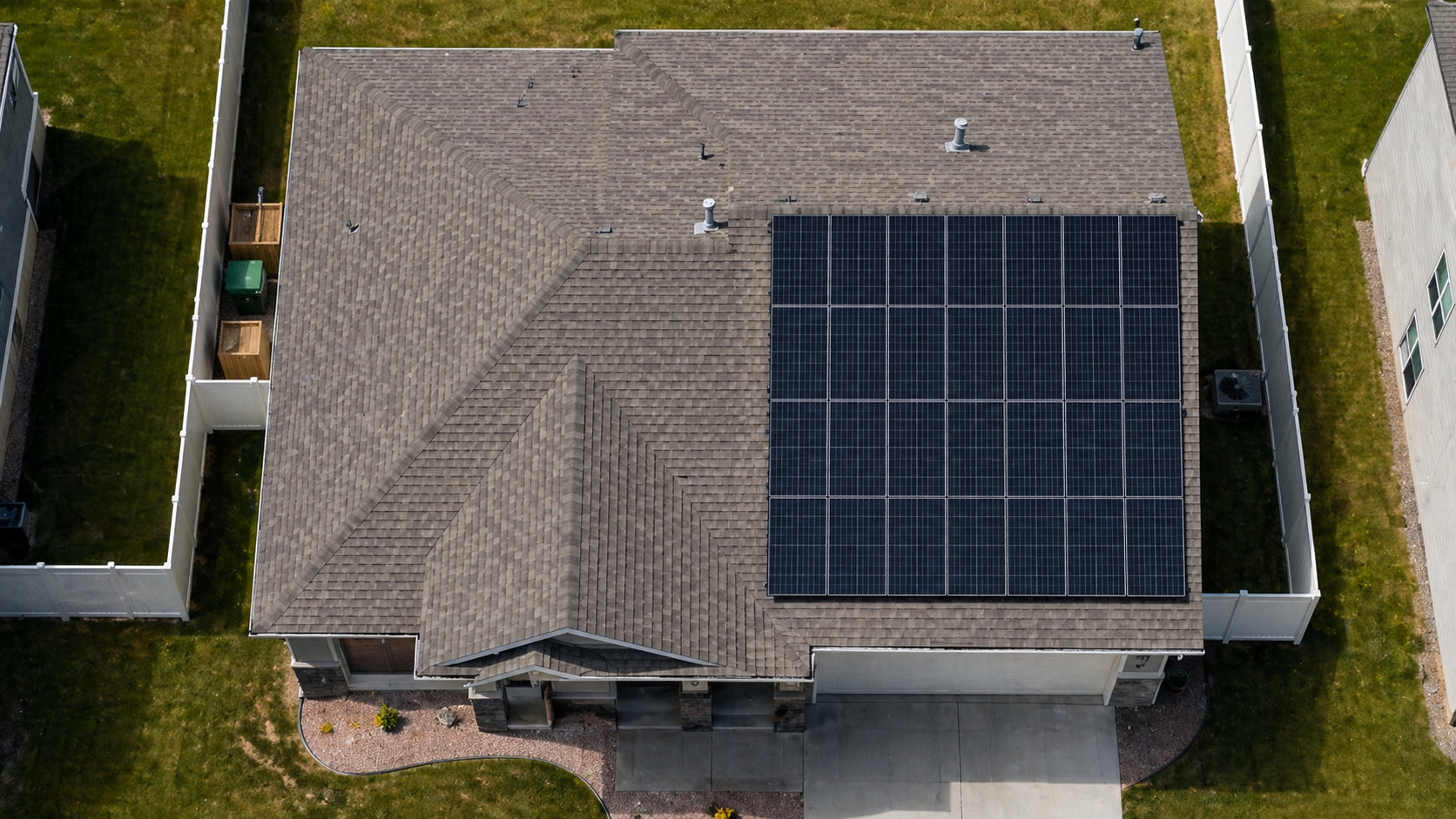
Replacing a roof when solar panels are involved costs more than a normal roof job because the solar array often has to come off first. A realistic industry range for solar panel removal and reinstallation is about $1,500 to $6,000, added on top of the roof replacement itself. The hard limit is access. A roofer cannot properly tear off shingles, replace underlayment, repair decking, and detail flashing while panels are covering the work area. The real decision is timing: replace the roof before solar, coordinate both jobs together, or pay later to remove and reinstall the system after it is already mounted.
Cheapest Path
The cheapest long-term path is usually replacing an older roof before solar goes on. It keeps the roofing work simple and avoids paying a solar crew later just to clear the roof.
Existing Solar Add-On
If panels are already installed, do not treat the roof bid like a normal roof bid. The solar scope should cover shutdown, panel removal, storage, racking or flashing details, reinstallation, wiring, and system testing.
Combined Project Range
A full roof-and-solar project can move into the $30,000 to $60,000 range before incentives, especially when the project includes a new roof, a new solar system, electrical work, permits, and financing costs. Not every home lands there, but it is a realistic planning range for larger full-scope jobs.
What The Cost Includes
Roof Tear-Off And Materials
The roof portion usually covers removing the old roofing, hauling away debris, installing underlayment, replacing flashing, installing the new roof surface, and repairing damaged decking where needed. Asphalt shingle jobs are often priced by square foot or by roofing square. One roofing square equals 100 square feet.
For asphalt shingles, a practical planning range is about $4.25 to $12.25 per square foot. More typical mid-range jobs often fall closer to $4.50 to $8.50 per square foot, but that depends heavily on the roof. Pitch, height, old layers, access, damaged decking, and local labor rates can move the number fast.
Solar Removal And Reinstall
When solar is already on the roof, the panel work is a separate cost. A common detach-and-reset range is about $1,500 to $6,000 for many residential systems. Some companies price it by the panel, often around $200 to $300 per panel for removal and reinstallation. Removal-only pricing can run higher or lower by scope, often around $200 to $500 per panel.
This is not just “take the panels off.” The system has to be shut down safely, wiring has to be disconnected, modules have to be handled without damage, racking has to be dealt with, panels need to be stored, and the system has to be reinstalled and checked after the roof is finished.
New Solar Costs
If the homeowner is replacing the roof and adding solar for the first time, the solar installation is its own budget item. A realistic industry estimate for residential solar is about $2.50 to $3.50 per watt before incentives. Some marketplace pricing has been reported near $2.58 per watt, with a 12 kW system around $30,000 before incentives.
For this article, cost per watt matters because it helps separate the solar price from the roof price. It should not be blended into the roofing number. If one quote wraps everything into a monthly payment, ask for the cash price and the line-item breakdown.
Permits And Coordination
Roofing permits, solar permits, inspections, utility paperwork, and local requirements may involve different people. Roofing permit adders are often only a few hundred dollars, commonly around $250 to $500 in many markets. The bigger problem is not the permit fee. It is a scope mismatch.
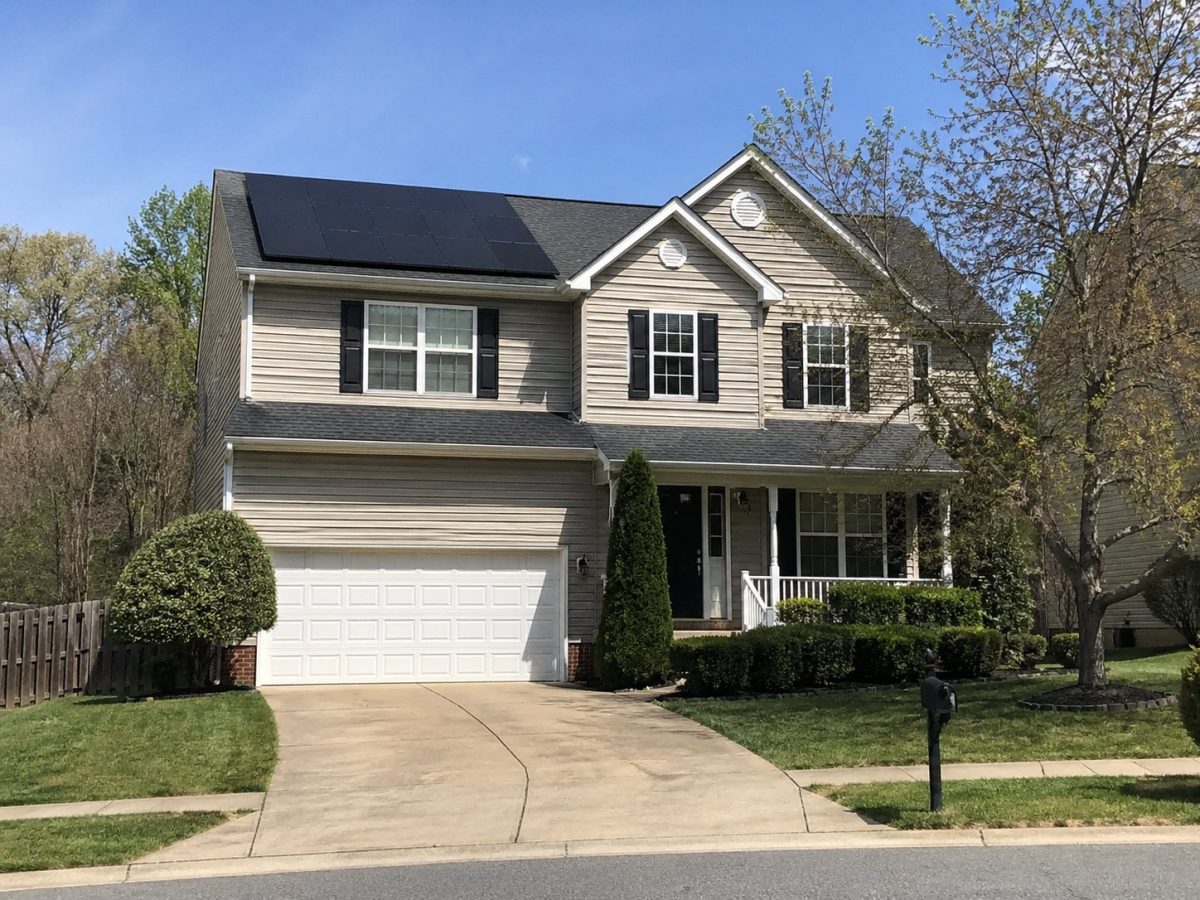
If the roofer assumes the solar company is handling removal, and the solar company assumes the roof schedule is already locked in, the homeowner gets delays, change orders, or a system sitting offline longer than expected.
Roof Replacement Costs
Asphalt Shingle Pricing
Asphalt shingles are the common baseline for this topic. A practical range is about $4.25 to $12.25 per square foot. On a 2,000-square-foot roof surface, that puts a roof-only job roughly in the $8,500 to $24,500 range before unusual repairs, solar work, or difficult access.
The lower end usually means a simpler roof, easy access, standard materials, and limited hidden damage. The higher end usually means steep slopes, multiple roof planes, two-story work, old layers, complex valleys, or sheathing repairs.
Roofing Square Pricing
Many roofers price by the roofing square. One square is 100 square feet. A common asphalt shingle range is about $400 to $900 per square. This is useful when comparing bids because it shows whether one quote is far outside the market without a clear reason.
Do not pick the lowest square price blindly. If it leaves out tear-off, disposal, flashing, ventilation details, permits, or decking allowances, the final price may not stay low.
Cost Drivers
Roof cost rises when labor gets harder. Pitch, height, access, roof shape, tear-off difficulty, and hidden damage all matter. Material grade matters too, but job conditions often explain why two similar-size roofs receive very different bids.
Solar changes the equation because the roof under the panels still has to be replaced properly. A full reroof usually means the panels need to come off. Working around them can leave old materials or weak flashing under the array. That is where problems usually start.
Solar Costs With New Roof
6 kW Solar Budget
At an estimated $2.50 to $3.50 per watt, a 6 kW solar system would usually land around $15,000 to $21,000 before incentives. That is the solar portion only. It should not include a full roof replacement unless the proposal clearly separates roofing from solar work.
8 kW Solar Budget
An 8 kW system at the same planning range would be about $20,000 to $28,000 before incentives. If the system is being installed after a new roof, the cleanest proposal separates roofing, solar equipment, solar labor, permits, and electrical upgrades.
Most people miss this part. A financed monthly payment can hide the cash price, dealer fees, roof cost, solar cost, and adders inside one number. That makes quote comparison almost useless.
12 kW Solar Budget
A 12 kW solar system can be around $30,000 or more before incentives, depending on the equipment, local market, roof layout, and electrical work. That can sit on top of a roof replacement that already costs five figures.
So do not compare a solar-only quote with a roof-and-solar quote as if they are the same thing. They are not. One may include work the other completely excludes.
Panels Are Not The Whole Price
The installed solar price includes more than panels. It can include racking, inverters, wiring, design, permits, utility paperwork, labor, inspection support, and contractor overhead. For a roof replacement cost decision, the important point is simple: the roof-related solar items need to be visible.
Look for mounts, flashing, conduit adjustments, reinstall labor, and testing. Those items touch the roof directly and can affect both cost and leak responsibility.
Removal And Reinstall Costs
Typical Detach-And-Reset Range
A common residential range for removing and reinstalling solar panels during roof replacement is $1,500 to $6,000. Another practical benchmark is about $200 to $300 per panel for a detach-and-reset service. A 15-panel system can easily add around $3,000 to $4,500 before difficult access, damaged parts, or extra repairs.
Removal-only is different. If a quote only covers taking panels down, someone still has to reinstall them, reconnect the wiring, inspect the attachments, and confirm the system is working again.
Key Cost Factors
The biggest cost drivers are panel count, roof height, roof pitch, array layout, mounting type, wiring complexity, and storage needs. A small array on a simple one-story asphalt roof is not the same job as a steep two-story roof with panels split across several roof planes.
Condition matters too. Old racking, worn flashing, brittle connectors, or corroded hardware may not be reusable. If that shows up during removal, the quote can change.
Removal-Only Vs Full Reset
A removal-only quote can be fine when another qualified solar contractor is already scheduled for reinstallation. Without that, it leaves a gap. The roof may be finished, but the solar system stays offline until another crew returns.
A complete reset quote should include removal, a storage plan, reinstallation, wiring reconnection, mount and flashing review, and system testing. If those words are missing, ask before signing.
Damaged Racking And Flashing
Flashing and attachments are where the roofer’s work and the solar contractor’s work overlap. If old flashing is reused on a new roof, the warranty language needs to be clear. If new flashing or mounts are needed, that cost should be written into the solar scope.
Field note: the cheapest detach-and-reset quote is not always the cleanest quote. If it does not explain flashing, storage, damaged connectors, and post-reinstall testing, it may not cover the whole job.
Cost Comparison
Replace Roof First
Replacing the roof first is usually the cleanest path when the existing roof is close to replacement. The roofer gets full access, the new roof goes under the array, and the solar installer mounts to a fresh surface.
The roof itself is not magically cheaper. The savings come from avoiding a future solar removal and reinstall bill.
Install Solar Now
Installing solar now and replacing the roof later only makes sense when the roof has enough useful life left. If the roof will need replacement soon, that cheaper upfront decision often comes back as a $1,500 to $6,000 detach-and-reset charge before the roofing work can even begin.
Bundle Roof And Solar
A bundled roof-and-solar project can work well when the pricing is transparent. One schedule can reduce trade conflicts. One project manager can make life easier.
The risk is the lump sum. A single package price can bury roof cost, solar cost, financing cost, tax-credit assumptions, and electrical adders in one number.
Scenario Comparison
This table shows the real cost decision. The best option depends on roof condition, not just the lowest first quote.
| Scenario | Likely Upfront Cost | Future Cost Risk | Main Watchout |
|---|---|---|---|
| Replace roof before solar | Higher now | Lower | Need separate roof and solar pricing |
| Install solar before roof replacement | Lower now | Higher | Later $1,500-$6,000 detach-and-reset cost |
| Bundle roof and solar | Highest combined project | Lower if scoped correctly | Lump-sum pricing and tax-credit confusion |
| Replace roof with existing panels | Roof cost plus solar service | Medium | Warranty and leak responsibility |
The practical comparison is completed project cost. That means the roof is finished, the solar array is back online, and the warranty responsibilities are clear.
Solar Tax Credit Limits
Eligible Solar Costs
Qualified solar electric property and eligible installation labor may qualify for the federal residential clean energy credit when the project meets current IRS requirements. The qualifying portion usually relates to the solar equipment and the labor directly tied to installing the solar energy system.
Tax rules can change, and project details matter. Keep invoices that separate qualified solar costs from ordinary roofing costs.
Standard Roof Replacement
A standard roof replacement usually does not qualify for the solar credit just because solar panels are installed above it. Shingles, underlayment, decking, and normal roof labor are generally roofing costs, not solar electric property costs.
This is a big one. If a salesperson applies a 30% credit to the entire roof-and-solar package without separating the work, treat that as a red flag until verified.
Solar Roofing Edge Cases
Solar shingles and integrated solar roofing products can make the boundary less obvious because part of the roof surface may also generate electricity. Even then, that does not automatically make the entire roof project credit-eligible.
Structural work, non-solar roofing areas, and conventional roof materials may need separate treatment.
Verify Before Relying
Before using tax savings to justify the project, verify the current rules, ownership status, project timing, and placed-in-service requirements. A project that only works financially because the entire roof is treated as credit-eligible needs careful review.
Hidden Cost Adders
Decking Replacement
Decking damage is often invisible until the old roof is torn off. If plywood or OSB is soft, rotted, or delaminated, the roofer may charge by sheet or by area. That can change the final price even when the original bid looked complete.
Electrical Work
Electrical upgrades are more common with new solar installations, but they can also appear during a reset or inspection. Older main panels, conduit changes, grounding corrections, and damaged wiring can add cost outside the basic roof number.
Mounts And Flashing
Mounts and flashing do not look like major budget items, but they carry serious leak responsibility. Reusing old flashing may save a little money upfront. It can also create a finger-pointing match later if water shows up around the attachment points.
Permit Revisions
When roofing and solar are handled separately, permit timing can get messy. If the solar plan assumes one roof condition and the roof work changes the surface, layout, or attachment approach, revisions may be needed.
Warranty Conflicts
Warranty conflicts happen when two trades touch the same area. A roofer may warranty the shingles but exclude solar penetrations. A solar contractor may warranty the mounts but not the surrounding roof. Get the responsibility in writing before the work starts.
| Hidden Add-On | Why It Appears | Budget Risk |
|---|---|---|
| Decking repair | Damage found after tear-off | Medium to high |
| Solar detach and reset | Panels block roof access | $1,500-$6,000 typical |
| New flashing or mounts | Old hardware cannot be reused safely | Medium |
| Electrical corrections | Code, aging equipment, or damaged wiring | Low to high |
| Permit changes | Roof and solar scopes do not match | Low to medium |
You do not need to predict every add-on. You need the quote to state what is included, what is excluded, and what becomes a change order.
How To Compare Quotes
Request Three Prices
Ask for three prices when possible: roof-only, solar-only, and combined roof-plus-solar. If the home already has panels, ask for roof-only plus detach-and-reset. That makes it much easier to see whether a bundled offer is actually saving money.
Confirm Detach And Reset
The proposal should say whether solar removal, storage, reinstallation, and testing are included. “Remove panels” is not enough. You need to know who puts the system back online and who is responsible if production drops after the reset.
Separate Every Line Item
A useful quote separates roofing labor, roofing materials, disposal, permits, solar labor, solar equipment, electrical work, and optional upgrades. This matters for comparing bids. It also matters for tax-credit review.
Compare Cost Per Watt Carefully
Cost per watt only helps when you are looking at the solar portion. If the roof replacement is rolled into the solar price, the cost per watt becomes distorted. One quote may look expensive simply because it includes roof work that another quote leaves out.
Get Warranty Terms In Writing
Leak responsibility needs to be written clearly. Ask who warranties the roof under the array, who warranties the mounts and flashing, and who pays if a leak appears after the reinstall.
- Ask whether the roof price includes tear-off, disposal, permits, flashing, and decking allowances.
- Ask whether the solar scope includes removal, storage, reinstall, rewiring, and testing.
- Ask whether old mounts and flashing will be reused or replaced.
- Ask for the cash price, financed price, and total loan cost if financing is offered.
- Ask which costs are being treated as tax-credit eligible.
When Paying More Saves Money
Avoid Future Reset Costs
Replacing an aging roof before installing solar can save the homeowner from a future detach-and-reset bill. If the roof is already near replacement, solar-first can turn a normal roof job into a roof job plus a solar service job.
Do not judge this only from the driveway. A roof can look acceptable from the ground and still have brittle shingles, tired underlayment, or decking concerns that matter once panels are installed over it.
Coordinate Crews Once
Coordinating roof and solar work can reduce duplicate labor, schedule gaps, and downtime. The roof gets replaced first. The solar crew installs on the finished surface. Nobody has to come back in a few years to undo the same work.
Protect The Solar Investment
A stronger roof under the array protects the solar investment. That does not mean every homeowner needs premium roofing. It means the roof should be good enough that the panels do not have to come off early for avoidable roof work.
Expensive Mistakes
Installing On An Aging Roof
The common mistake is approving solar because the payment looks attractive while ignoring a roof that may need replacement soon. Once the panels are mounted, the future roof replacement gets more complicated and more expensive.
Overstating Tax Savings
Another expensive mistake is assuming the solar tax credit applies to the whole roof-and-solar package. Standard roofing work is generally not treated the same way as qualified solar electric property. If the proposal depends on a credit for the full roof cost, verify it before signing.
Accepting Bundled Pricing
Bundled pricing can be fine. Opaque bundled pricing is the problem. A single project price can bury roof cost, solar cost, dealer fees, financing cost, electrical work, and incentive assumptions.
Using The Wrong Contractor
A roofer should not casually remove a working solar array unless qualified solar personnel are handling the electrical and equipment side. The risk is real: damaged panels, unsafe disconnection, warranty trouble, or a system that does not restart correctly.
Ignoring Leak Responsibility
Leaks around solar attachments can turn into a dispute fast. The roofer may blame the solar installer. The solar installer may blame the roof work. The homeowner should not be stuck in the middle because the contracts were vague.
Practical contrast: a cheap roof quote with no solar scope is not a completed roof-and-solar price. The real number is the cost to finish the roof, reinstall the array, replace any needed flashing, and get the system producing again.
Homeowner Cost Checklist
Confirm Roof Unit Cost
Ask whether the roof is priced per square foot or per roofing square. Then ask what that price includes. A low unit price may leave out permits, tear-off, disposal, ventilation changes, flashing, or decking repairs.
Confirm Solar Cost Per Watt
If new solar is part of the project, confirm the solar cost per watt before incentives. Keep the roof replacement outside that number so you can compare solar quotes fairly.
Confirm Reinstall Pricing
If the home already has solar, get the detach-and-reset price in writing. The proposal should spell out shutdown, removal, storage, reinstall, electrical reconnection, and performance verification.
Confirm Electrical And Permits
Ask whether electrical upgrades, permit fees, inspections, and utility coordination are included. If they are excluded, ask how they will be priced if required.
Confirm Leak Responsibility
Before signing, confirm who is responsible for leaks around solar attachments after the new roof is installed. Verbal answers are not enough. Put it in the roof and solar paperwork.
| Checklist Item | Why It Matters | What To Ask |
|---|---|---|
| Roof price basis | Prevents incomplete comparisons | Is this per square foot or per roofing square? |
| Solar detach-and-reset | Prevents surprise add-ons | Is removal, storage, reinstall, and testing included? |
| Tax-credit treatment | Prevents inflated savings claims | Which line items are considered eligible solar costs? |
| Flashing and mounts | Protects against leaks | Will old attachments be reused or replaced? |
| Warranty responsibility | Reduces disputes | Who handles leaks near solar mounts? |
This checklist is not a replacement for a roof inspection or solar service evaluation. It is a way to keep the quote honest before you compare numbers.
FAQ
How much does roof replacement cost with solar panels?
A practical published range for roof replacement with existing solar panels is about $10,300 to $28,662, depending on roof size, panel layout, access, local labor, and whether the panels must be removed, stored, and reinstalled. The solar detach-and-reset portion alone often runs about $1,500 to $6,000.
Is replacing the roof before solar cheaper?
It is usually cheaper over the full ownership period if the roof is already close to replacement. Replacing the roof first avoids a future removal and reinstall charge. If the roof has many reliable years left, replacement may not be necessary right away.
Can roofers replace a roof around solar panels?
For a full roof replacement, panels usually need to come off. Working around them can leave old roofing, weak flashing, or damaged decking under the array. That creates leak risk and warranty confusion.
Does the solar tax credit cover the roof?
Standard roof replacement generally is not covered just because solar is installed above it. Qualified solar equipment and eligible solar installation labor may qualify, but conventional roofing costs should usually be separated. Check current IRS rules and keep itemized invoices.
Should I use one company for roof and solar?
One coordinated company can make scheduling easier, but the quote still needs separate roof, solar, detach-and-reset, permit, electrical, and warranty details. A bundled monthly payment without line items makes cost comparison and tax review harder.