Can Solar Panels Be Removed From a Roof?
Quick Answer
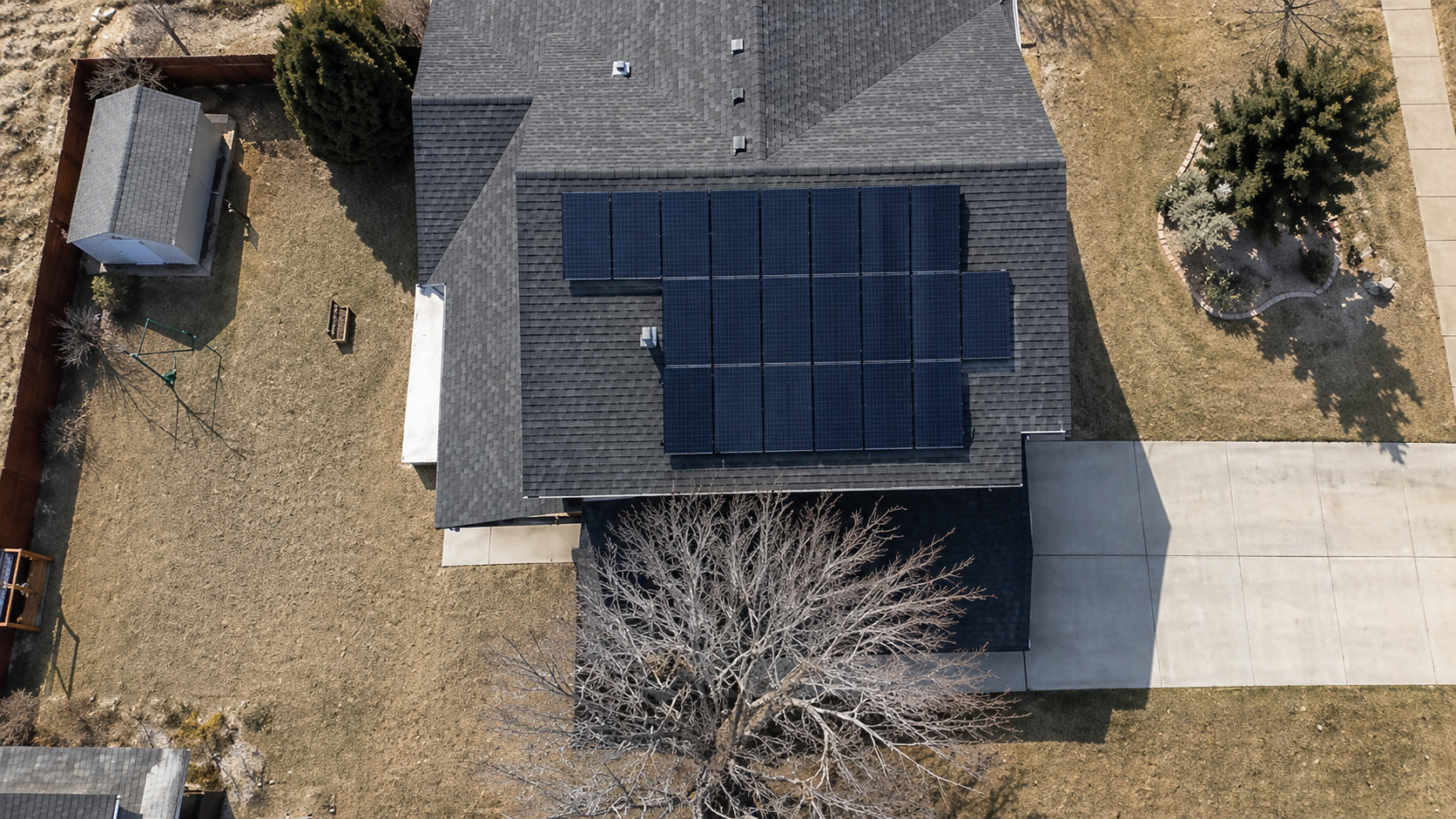
Yes, solar panels can be removed from a roof. They can come off temporarily for roof replacement, leak repair, remodeling, or storm restoration, or they can be removed permanently if the system is being retired. A practical benchmark for many residential jobs is one working day to take the panels off and another working day to put them back on, but the calendar can stretch when roofing schedules, permits, inspections, weather, or contractor availability get involved. The important limit is this: solar panels are not just roof attachments. They are electrical equipment tied into wiring, racking, shutdown devices, monitoring, and sometimes utility rules. If the panels need to come off, treat it as a solar detach-and-reset project, not a quick roofing add-on.
What Solar Panel Removal Means
Temporary vs Permanent Removal
Temporary removal means the panels are taken down, protected, and reinstalled after the roof work is finished. This is common during reroofing, leak repairs, storm damage restoration, or structural work around the array.
Permanent removal is a different job. The system may be decommissioned, relocated, replaced, or abandoned. In that case, the contractor has to deal with electrical termination, unused roof attachments, roof penetrations, and what happens to the old equipment. Do not let someone quote “panel removal” without making clear which version they mean.
Detach and Reset
The normal term for temporary solar removal is “detach and reset.” A solar crew shuts the system down, disconnects the equipment, removes the panels and related hardware as needed, stores everything safely, then comes back after the roof work to reinstall and test the system.
That is the job most homeowners need when replacing a roof under an existing array. It is not a new solar installation, but it still needs solar-specific skill. The risk is not just breaking a panel. It is putting the roof or electrical system back together incorrectly.
Panels, Racking, Wiring, and Flashing
Sometimes only the modules come off. In many reroofing jobs, the rails, mounts, wiring, flashing, and roof attachments also need to be removed or reset. If the roofers need full access to the deck, leaving hardware in place can get in the way of proper roofing work.
This is where many vague quotes fall short. “Remove panels” may not include reinstalling them. It may not include testing, monitoring reconnection, new flashing, replacement clamps, permit handling, or leak responsibility after the reset. Get the scope in writing before anyone steps on the roof.
Why Panels Are Removed
Roof Replacement
Roof replacement is the main reason solar panels come off. If shingles, underlayment, flashing, or decking need to be replaced under the array, the panels usually have to be removed first. Roofing around panels leaves too many hidden areas and too much room for sloppy work.
Leak Investigation
A leak under a solar array is hard to diagnose from the ground. Panels and rails block the roofer’s view of shingles, fasteners, flashing, underlayment, and mounting penetrations. Removing the panels gives the roofing contractor a clean look at the actual roof surface.
Storm or Fire Damage
Hail, wind, falling limbs, and fire events can damage more than the visible panels. Rails can shift. Wiring can be compromised. Roof coverings under the array can be cracked, punctured, or weakened. In those cases, removal is often part of a broader roofing, solar, and insurance review.
Remodeling or Additions
Dormers, skylights, vents, additions, and roofline changes can force panels to move. That sounds simple, but moving panels can affect layout rules, fire access paths, wire routing, and inspection requirements. Treat layout changes as design work, not field improvisation.
Relocation or System Retirement
Panels may also come off when a homeowner relocates a system, replaces older equipment, or retires a system that no longer makes sense to repair. Permanent removal should include safe electrical closeout and roof restoration. A crew should not just strip the panels and leave questionable wiring or open penetrations behind.
The Removal Process
A clean detach-and-reset follows a controlled sequence. Every system is a little different, but the basic workflow should look like this.
| Step | What Happens | Main Risk Controlled |
|---|---|---|
| Pre-check | System, roof, layout, wiring, and panel condition are documented. | Disputes, missing parts, layout confusion |
| Shutdown | The PV system is safely de-energized using proper disconnect procedures. | Shock, arc fault, equipment damage |
| Removal | Panels, wiring, rails, and mounts are removed as needed. | Broken glass, damaged connectors, roof damage |
| Storage | Equipment is staged or stored safely during roof work. | Weather damage, theft, cracked panels |
| Reinstall | Panels are remounted, rewired, tested, and monitoring is restored. | Leaks, underproduction, failed inspection |
The job is not finished when the panels are back on the roof. It is finished when the system is tested, the monitoring is working, and the roof penetrations are properly handled. That last part matters. A system can produce power and still leak if the reset was sloppy.
System Shutdown
Solar panels can produce DC power whenever light hits them. A qualified technician should follow the correct shutdown procedure for the specific inverter, disconnects, rapid-shutdown equipment, and system design.
Turning off a breaker is not the same as making rooftop solar wiring harmless. That is one reason DIY panel removal is a poor bet, even for people who are comfortable with ordinary home repairs.
Documenting the Layout
Before removal, the crew should photograph the array, note panel positions, label wiring where needed, and document existing roof or equipment damage. This protects everyone. If a panel is cracked, a connector is damaged, or production is lower after reinstall, the baseline matters.
Disconnecting Equipment
Depending on the setup, the crew may disconnect modules, optimizers, microinverters, homerun wiring, grounding and bonding components, and monitoring hardware. The goal is to take the system apart in a way that makes the reset clean and traceable.
Removing Panels Safely
Panels should be lifted carefully, not twisted by the frame or dragged across the roof. Rough handling can crack glass, stress connectors, bend frames, or create hidden damage that shows up later as poor production.
Racking and Roof Penetrations
When rails, mounts, or attachment feet come off, the penetrations need proper treatment. On a reroof, the roofing contractor may replace the roof covering, but the solar contractor still needs to be involved in how the mounts and flashing go back on.
Panel Storage
Panels should not be leaned against a fence, stacked loosely in a driveway, or left where roofers can bump them with ladders or bundles. Storage should be planned. Some jobs use protected on-site storage. Others need off-site storage. Either way, the contract should say who is responsible for damage while the system is down.
Reinstalling the Layout
The simplest reset puts the panels back in the same approved layout. If the layout changes because of vents, skylights, repairs, or homeowner preference, more review may be needed. A small move on the roof can affect setbacks, wire routing, inspection, and system output.
Testing and Reactivation
After the panels are back in place, the crew should verify electrical function, check for faults, confirm inverter or microinverter communication, and restore monitoring. Skipping this step is how homeowners end up with a roof full of panels that are not actually producing.
Field note: the worst detach-and-reset jobs usually fail before the first panel comes off. The warning signs are a vague scope, no storage plan, no monitoring reconnection, no permit responsibility, and no written answer for who handles a leak after the reset.
How Long Removal Takes
One Day Off, One Day On
For a typical residential system with decent roof access, removal often takes about one working day. Reinstallation often takes another working day. That is a practical benchmark, not a promise. Large arrays, steep roofs, tile roofs, difficult access, damaged hardware, or complicated wiring can stretch the work.
Why Timelines Stretch
The working time is only part of the schedule. The solar crew has to coordinate with the roofer. The roof may need inspection before panels go back on. Weather can delay both trades. Permits can slow the reset. This is why a job that takes two working days can still span a week or more on the calendar.
Timing Before Roof Work
Panels are often removed shortly before the roofing crew starts. Remove them too early and the system sits offline longer than necessary. Remove them too late and the roofer may lose the start date. Good scheduling prevents rush work, storage problems, and rescheduling fees.
Permits and Inspections
Permit rules vary by city and county. Some areas treat a same-layout reset as simple service work. Others require a separate solar remove-and-replace permit or inspection. If the layout changes, the review can become more involved. Ask early, because permit delays are easier to manage before the roof is already torn open.
Who Can Remove Panels?
The Original Installer
The original installer is usually the best first call. They may have the system plans, equipment records, warranty details, layout, and monitoring history. They also know how the array was mounted the first time.
The catch is availability. Some installers are booked out. Some no longer operate. Some will not service systems they did not install. If the original installer cannot do it, look for a solar service contractor with detach-and-reset experience.
A Licensed Solar Contractor
A qualified solar contractor can usually handle removal and reinstallation even if they did not install the original system. They should be comfortable with the panel brand, inverter type, roof attachment method, grounding and bonding, monitoring platform, and local inspection expectations.
Why Roofers Should Not Disconnect
Roofers are critical to the roof work. That does not make them solar electricians. Most roofing crews are not trained or licensed to disconnect and recommission PV equipment. They may understand flashing and shingles, but solar shutdown, wiring, grounding, and testing are a separate trade.
If the Installer Is Gone
If the original company is gone, do not panic. Look for a contractor that specifically advertises solar removal and reinstallation or solar service work. Ask whether they handle testing, monitoring, permits, insurance documentation, storage, and coordination with the roofer. A new-install-only company may not be the right fit.
Can Panels Be Reinstalled?
When Panels Can Be Reused
Most panels can be reinstalled if they are still in good physical and electrical condition. Taking a panel off the roof does not automatically ruin it. The real questions are whether the glass, frame, junction box, wiring, connectors, and mounting compatibility are still sound.
Hardware That May Need Replacement
Even when the panels are reused, some hardware may need to be replaced. Clamps, flashing, fasteners, seals, wire clips, connectors, rail sections, and mounting feet can be damaged, worn, corroded, or incompatible with the new roof surface.
Testing Before Reactivation
A reset should end with testing. A solar array can look right from the driveway and still have a bad connection, a monitoring issue, a ground fault, an arc-fault trip, or a non-communicating microinverter. Visual inspection alone is not enough.
Permits and Utility Rules
When Permits Apply
Permit requirements are local. Some building departments are relaxed when the same system goes back in the same place. Others want a solar remove-and-replace permit because the equipment is disconnected and reinstalled. There is no single national answer.
Reroof and Solar Permits
In some areas, the roof permit and the solar permit are separate. The roofer may pull the reroof permit, while the solar contractor handles the remove-and-replace paperwork. If neither contractor owns that task, the homeowner can get stuck in the middle.
Utility Coordination
For a straight detach-and-reset with no design changes, utility involvement is often limited. If the inverter, system size, equipment, layout, or interconnection details change, the utility may need to be notified or involved. This should be checked before changes are made.
Changing the Layout
Moving panels around during a reroof can create more work than expected. Fire setbacks, access pathways, wire routing, rapid-shutdown labeling, and plan approval may all be affected. If the layout is changing, treat it as a design revision.
Practical Decision Criteria
Temporary or Permanent?
Before requesting quotes, decide whether the system is going back on the roof. Temporary work should be quoted as removal, storage, reinstall, and testing. Permanent work should include safe decommissioning, roof restoration, and a plan for abandoned or removed equipment.
Whole Roof or One Section?
If only one roof section is being repaired, partial array removal may be enough. For a full roof replacement, the entire array area usually needs to be cleared. Partial removal can save money, but only if it gives the roofer enough room to do the work correctly.
Storage Responsibility
Ask where the panels will be stored, who moves them, who insures them, and who pays if a panel, optimizer, connector, or frame is damaged while off the roof. Verbal answers are not enough. Put it in the scope.
What the Contract Includes
A complete quote should spell out removal, labeling, storage, reinstall, roof attachment reset, wiring, monitoring, testing, cleanup, permit responsibility, and exclusions. If the quote is short and vague, important work is probably missing.
Mounts and Flashing
Mounts and flashing are where the roof and solar system meet. A poor reset can create leaks even when the electrical side works perfectly. The roofer and solar contractor should agree on how penetrations and flashing will be handled before the job begins.
Owned, Leased, or PPA?
If you own the system, you can usually hire a qualified solar contractor. If the system is leased, financed, or under a power purchase agreement, the provider may have approval requirements or preferred service contractors. Removing third-party-owned equipment without permission can create contract trouble.
Cost Context
Typical Per-Panel Range
Cost is not the whole story, but it belongs in the planning conversation. A practical field range for professional removal and reinstallation is often about $200 to $500 per panel. The final number depends on the scope, roof access, panel count, local labor, storage needs, permit requirements, and whether electrical repair is needed.
Common Project Range
Many residential detach-and-reset projects fall somewhere around $1,500 to $6,000. Straightforward small systems may cost less. Larger arrays, steep roofs, tile roofs, long storage windows, difficult access, damaged hardware, and electrical troubleshooting can push the total higher.
Costs That May Be Separate
Do not assume everything is included. Roof repair, panel replacement, broken tile replacement, permit fees, storage, new flashing, mounting hardware, inverter work, monitoring repair, and electrical troubleshooting may be separate line items. This is where cheap quotes get expensive.
| Cost Item | Typical Range | What Can Change It |
|---|---|---|
| Removal only | $100-$200 per panel | Access, roof pitch, panel count, wiring complexity |
| Reinstallation only | $100-$200 per panel | Hardware condition, layout, testing requirements |
| Detach and reset | $200-$500 per panel | Scope, storage, permits, roof type, labor market |
| Typical residential project | $1,500-$6,000 | System size, roof work timing, repairs, inspections |
| Electrical add-ons | $500-$2,000 | Inverter work, wiring issues, troubleshooting |
Compare scope before comparing price. A lower bid that excludes storage, testing, permit handling, or monitoring reconnection may only look cheaper on paper.
Risks and Mistakes
Unsafe Shutdown
The biggest safety mistake is treating solar panels like ordinary roof hardware. PV equipment can remain hazardous in sunlight if it is not shut down correctly. Bad shutdown practice can lead to shock risk, arc faults, equipment damage, or injury.
Roofer-Only Removal
Some roofers will offer to remove the panels so the roofing job can keep moving. That may sound convenient. It can also put the homeowner on the hook for electrical problems, damaged panels, lost warranties, or a system that does not restart properly.
No Final Testing
Panels back on the roof does not mean the system is working. Without testing, production problems may not show up until the next utility bill or monitoring alert. By then, the crews may be gone and the argument over responsibility begins.
Lost Layout Documentation
If nobody documents the original layout, reinstallation gets messier. Wiring can be mixed up. Optimizers or microinverters may not report correctly. Panels may be reset in a way that does not match the approved plan. A few photos and labels can prevent a lot of wasted labor.
Damaged Roof Penetrations
Leaks after a solar reset often come from rushed flashing, reused damaged parts, poor sealing, or unclear responsibility between the roofer and solar contractor. The contract should say who handles mounts, flashing, and leak-related callbacks.
Warranty Assumptions
Do not assume the panel manufacturer, inverter company, original installer, roofer, insurer, or PPA provider will cover damage after unauthorized removal. Warranty and contract language varies. Check first, not after something breaks.
| Mistake | Why It Happens | Financial Risk |
|---|---|---|
| No written reset scope | Homeowner focuses only on roof timing | Second service call, incomplete system restart |
| Unqualified removal | Roofer or handyman appears cheaper | Panel damage, voided warranty, electrical repair |
| No storage plan | Assumption that panels can sit on site | Broken glass, theft, weather damage |
| No permit check | Local rules are overlooked | Inspection delay, rework, failed approval |
| No monitoring verification | Panels look installed from the ground | Lost production and diagnostic labor |
The pattern is familiar: the homeowner tries to keep the roof job moving and accepts a thin solar scope. That shortcut can turn into broken equipment, leak disputes, failed inspections, or weeks of lost production.
Removal Checklist
Confirm Ownership
Start by confirming whether the system is owned, leased, financed, or under a PPA. Ownership controls who can authorize removal and whether a solar provider must approve the work.
Call a Solar Contractor
Call the original installer first if that is realistic. If not, look for a company that handles solar service, removal, and reinstallation. A company that only sells new systems may not be the best fit for this job.
Coordinate Both Crews
The solar crew and roofing crew need a shared schedule. The roofer should not start tearing into the roof before the array is safely removed. The solar crew should not reinstall before the roof is ready for attachments.
Ask About Permits
Ask who checks permit requirements, who files the paperwork, and who schedules inspection. Do not assume the roofing permit automatically covers the solar work.
Get the Scope in Writing
- Removal of panels, wiring, rails, mounts, and hardware as needed
- Storage location and responsibility for equipment damage
- Reinstallation method, flashing, and roof penetration handling
- Monitoring reconnection and post-install testing
- Permit, inspection, and utility coordination responsibilities
Photograph the System
Take your own photos before work starts. Capture the array layout, visible panel condition, inverter status, roof condition near the array, and any existing damage. Good photos can settle questions later.
FAQ
Can solar panels be removed without roof damage?
Yes, when the work is planned and handled correctly. The main roof risks are disturbed flashing, damaged penetrations, broken roofing materials, and poor reset of mounting hardware. The solar contractor and roofer should coordinate before removal starts.
Do panels need removal for roof replacement?
Usually, yes. If the roofing materials under the array need replacement, the roofer needs clear access. Roofing around panels leaves hidden weak spots and makes future leak repairs harder.
Can I remove solar panels myself?
For rooftop grid-tied solar, DIY removal is not recommended. The risks include shock, arc faults, broken panels, roof leaks, failed inspection, and warranty or contract problems. Homeowners can document the system and gather quotes, but the removal itself should be handled professionally.
Can a roofer remove solar panels?
A roofer can handle the roof work, but solar disconnection and reinstallation should be handled by a qualified solar or electrical professional. Some local rules require licensed or certified solar or electrical contractors for remove-and-replace work.
Will panels work the same after reinstallation?
They should, if the panels were not damaged, the wiring was reconnected correctly, the layout remains acceptable, and the system is tested after reinstallation. Always confirm monitoring and production before closing out the project.


