Can Solar Panels Make Your Roof Last Longer?
Quick Answer
Yes, solar panels can help the roof area directly beneath them last longer. But they do not magically extend the life of the entire roof. The benefit is local. Panels shade the shingles below them and reduce direct exposure to sun, rain, small hail, debris, and daily temperature swings. The catch is roof condition. If the roof already has brittle shingles, weak decking, bad flashing, or an active leak, solar will not make that problem go away. It can make the repair harder to reach. The right decision is simple: install solar on a healthy roof, repair weak spots first, or replace the roof before solar if the roof is already near the end of its useful life.
How Solar Protects Roof Areas
Less UV on Covered Shingles
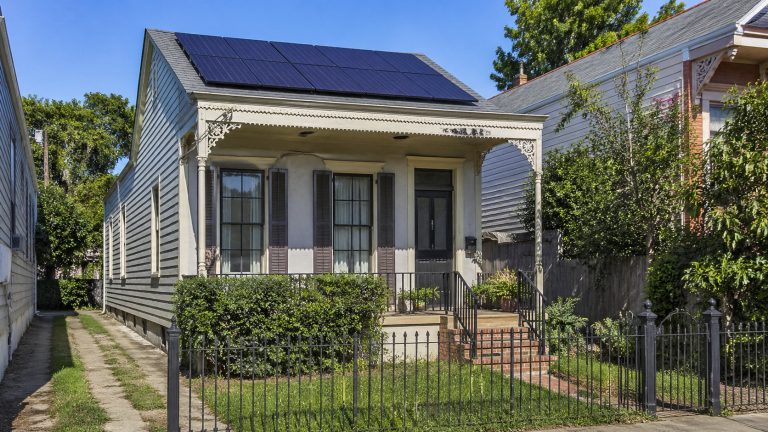
The best argument for solar panels extending roof life is shade. Asphalt shingles age partly because sunlight dries and wears the surface over time. When panels sit above the shingles, that covered area gets less direct sun.
That matters, especially on roof planes that bake all day. But it is not whole-roof protection. The ridge, valleys, roof edges, vent areas, skylights, and exposed shingles still take the weather. Years later, the shingles under the array may look better than the shingles around it. That is common. It does not mean the whole roof has gained extra years.
Protection From Rain and Debris
Panels also act like a partial shield. Rain, light hail, leaves, small branches, and windblown debris may hit the panels first instead of striking the shingles directly below. In hot, storm-prone, or high-sun areas, that protection can help the covered roof surface age more slowly.
But panels do not turn the roof into a waterproof system by themselves. Water still moves under and around the array. It runs along panel edges, down roof planes, and around mounts. If the flashing is weak or the shingles are already cracked, the panels will not solve the problem. They may just hide it for a while.
Only the Array Area Benefits
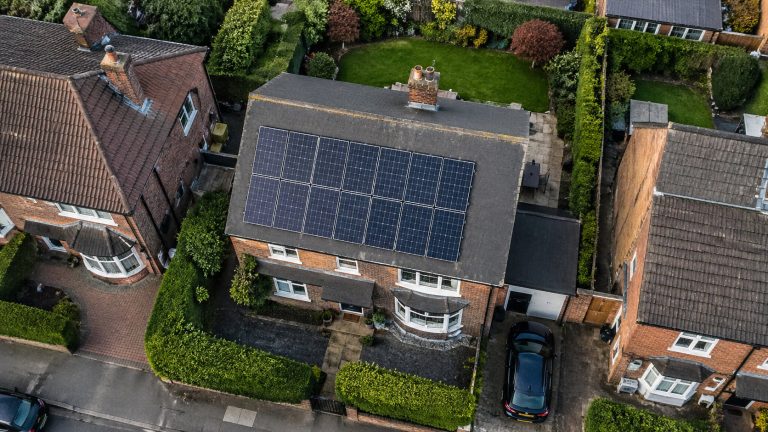
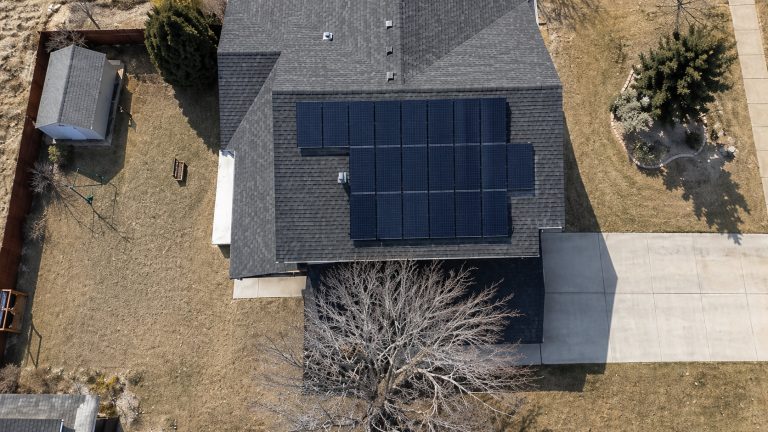
This is the part many people get wrong. Solar panels protect the roof area they cover. That might be a large section of one roof plane, or it might be a smaller patch. Either way, the uncovered roof keeps aging normally.
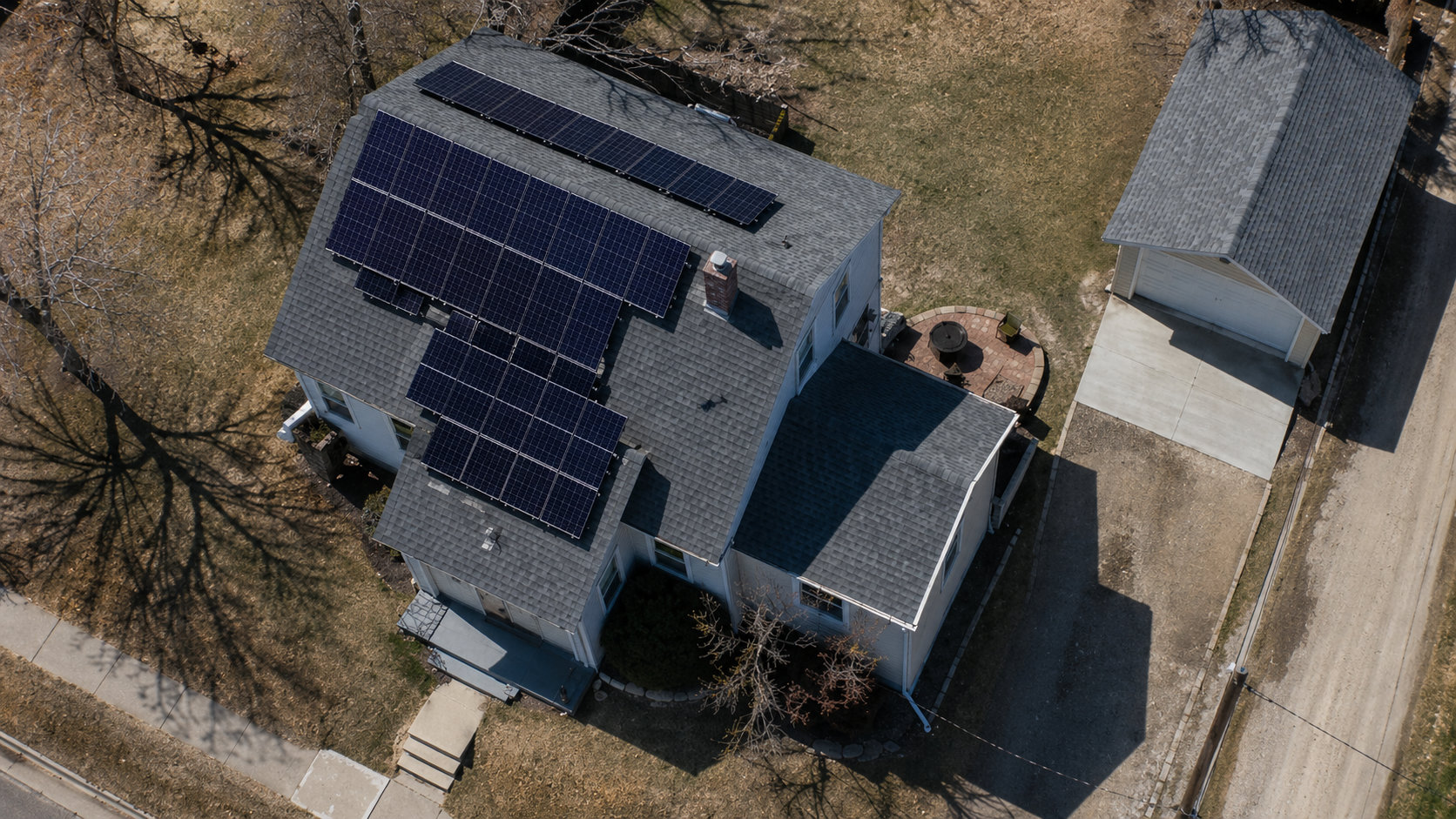
So the roof can age unevenly. The covered shingles may hold up better. The exposed shingles may fade, dry out, lose granules, or crack sooner. If the exposed section fails first, the homeowner still has a roof problem, even if the shingles under the panels look decent.
Solar Does Not Repair Roof Problems
Solar panels are not a roof repair. They do not tighten loose flashing. They do not restore old shingles. They do not strengthen soft decking. They do not seal an old vent boot or fix a roof valley that already leaks.
The best solar installations happen on roofs that are already dry, solid, and properly flashed. The worst ones happen when solar gets installed over a roof that was marginal from the start. Once panels are installed, the roof is harder to inspect and harder to work on. That is where small roofing issues can become expensive.
A solar array can protect part of the roof, but it also covers part of the roof. Before panels go on, treat that area like your last easy chance to inspect shingles, flashing, decking, and attic moisture.
The Real Roof Decision
When 10–15 Years Remain
A practical industry estimate is that the roof should have about 10–15 years of useful life remaining before solar is installed. That is not a hard rule for every house, but it is a useful line in the sand. Solar panels are usually expected to stay in place for a long time. If the roof needs replacement too soon, the panels become part of the roofing job.
For a newer or mid-life roof with no leaks, no brittle shingles, and no deck concerns, solar can make sense. The array may protect the covered sections while the rest of the roof continues to age normally. But if the roof already has curling shingles, heavy granule loss, soft spots, or a history of leaks, slow down. Get the roof evaluated before signing anything.
When the Roof Is Too Old
If the roof is already near the end of its life, solar can turn a normal roof replacement into a more complicated project. The panels may need to be disconnected, removed, stored, and reinstalled after the new roof is in place. A typical field range for residential solar removal and reinstall work is about $1,500–$6,000. Bigger systems, steep roofs, difficult access, and hardware changes can push costs higher.
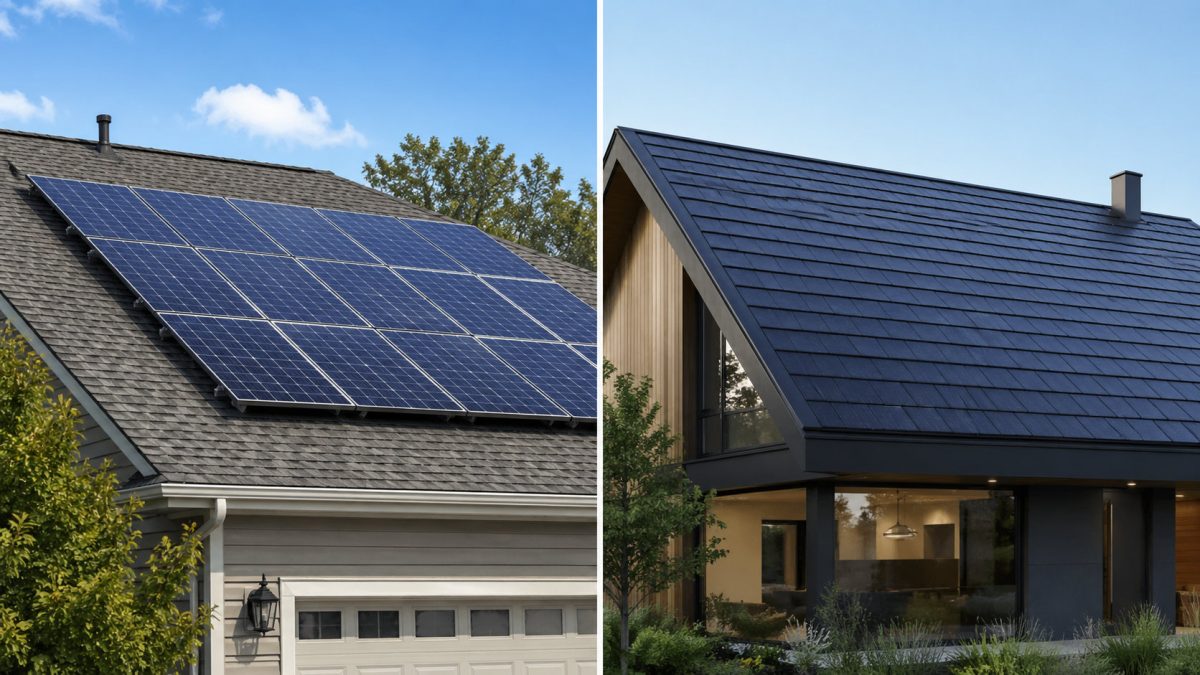
That is the trap. Skipping roof replacement before solar can look cheaper upfront. Then the roof fails five years later, and the homeowner has to pay for roofing work plus solar handling. On an old roof, the protection panels provide often is not enough to justify that risk.
Panel Life Versus Roof Life
Many residential solar systems are planned around a 25–30 year service life. Panels can keep producing for decades, although output usually drops gradually. A common planning range for degradation is about 0.5%–1% per year, depending on product quality, climate, and operating conditions.
The roof has its own clock. That is the point. A healthy 7-year-old roof may pair well with new solar. A tired 22-year-old asphalt roof may not. The panels could still be working long after the shingles underneath need replacement.
Uneven Aging Between Roof Areas
Uneven aging is normal when only part of the roof is covered. The shingles under the panels may be shaded and shielded. The exposed shingles still take sun, rain, wind, and heat every day.
This matters later. If the exposed section fails first, the roofer may still need to work near or around the array. If matching shingles are no longer available, repairs can look patchy. If the damaged area runs under the panels, removal may be needed even though the covered shingles are in better shape.
Roof Criteria Before Solar
The roof should be judged as a system, not just as a surface for panels. The shingles under the array matter, but so do the weak points nearby: flashing, vents, valleys, decking, and attic moisture. Use the table below as a practical screening tool before comparing solar quotes.
| Roof condition | Why it matters | Best decision |
|---|---|---|
| Sound shingles, no leaks, good flashing | Solar can protect covered areas without hiding obvious defects | Solar may be reasonable |
| Localized flashing or vent issue | Small leaks become harder to reach after panels are installed | Repair before solar |
| Curling, cracking, or granule loss | Foot traffic and mounts can damage weak shingles | Get a roofing assessment first |
| Soft decking or attic moisture | Panels do not fix structural or water problems | Do not install until corrected |
| Roof near replacement age | Early panel removal can add $1,500–$6,000 | Consider replacing roof first |
The practical takeaway is blunt: solar works best on a roof that is already ready for solar. It is not a workaround for roofing work that should have been done first.
Shingle Condition
Start with the shingles. Curling tabs, cracked shingles, missing shingles, bald patches, and heavy granule loss all point to an aging roof surface. Solar crews have to walk, mount, flash, and work on that roof. Weak shingles do not always handle that well.
Granule loss is especially important. Once the granules are gone, the shingle surface has less protection. Panels may reduce future sun and weather exposure over that area, but they cannot put the granules back.
Roof Deck Condition
The roof deck is just as important as the shingles. Solar mounts need a stable roof structure. Sagging areas, soft spots, rot, delamination, or dark attic staining are all warning signs. Sometimes the roof looks acceptable from the street, but the attic tells a different story.
If the deck is weak, the question is no longer whether solar might extend roof life. The first question is whether the roof is healthy enough to support a long-term rooftop system at all.
Flashing and Penetration Areas
Chimneys, skylights, plumbing vents, attic vents, valleys, and roof-wall intersections are common leak locations even without solar. Check these areas before panels are installed nearby. Solar adds more roof penetrations, so the existing waterproofing details need to be right.
Good installers use flashing systems designed for the roof type. The flashing works with the roof layers so water sheds naturally. Poor installations lean too hard on sealant. Sealant has a role, but it should not be the only thing keeping water out.
Roof Material Differences
Asphalt shingles are common and usually workable when they are in good condition. Metal roofs can also be strong candidates, especially standing seam systems where some attachments may avoid traditional penetrations. Tile and slate need more care because individual pieces can crack during access or installation.
Low-slope membrane roofs, including TPO and PVC systems, require compatible flashing and mounting details. The issue is not whether solar can be installed. It is whether the installer knows how to protect that specific roof system.
Warranty Status
Roof warranties vary. Some manufacturers allow solar over shingle roofs, but solar-related damage may be handled differently from a normal shingle defect. Access is another issue. If the warranty provider needs to inspect the roof, panels may have to be removed first.
Ask two questions before signing: does the roof warranty stay intact, and who pays if panels must be removed for inspection or repair? The second question is the one homeowners often forget.
When Solar May Extend Roof Life
Newer or Mid-Life Roofs
Solar is most likely to help when the roof is already in good shape. A newer or mid-life roof with no active leaks, no brittle shingles, and no flashing defects can benefit from the shade and shielding panels provide.
That is the ideal setup: a healthy roof, a smart layout, and an installer who uses proper flashing and attachment methods. In that situation, the covered shingles may take less abuse than exposed shingles over the same period.
High-Exposure Roof Planes
The protective effect is more useful on roof planes that take a beating. South- and west-facing roof sections in hot climates can get intense sun. Roof planes exposed to wind-driven rain, small debris, or light hail may also benefit from having panels above part of the surface.
Still, the footprint controls the benefit. A small array on one plane does not protect the rest of the roof. Think of solar as protection for a specific zone, not a blanket over the entire house.
Proper Flashing and Attachment
Panels only help if the installation does not create a new leak. On shingle roofs, mounts should tie into solid framing, and flashing should be integrated with the shingle courses. Penetrations should be sealed according to the mounting system’s instructions.
A good mount does two jobs. It holds the array, and it protects the hole in the roof. If the installer misses rafters, damages shingles, uses the wrong flashing, or relies on exposed caulk as the main waterproofing detail, the roof risk goes up fast.
Large Weather-Exposed Arrays
A larger array over the most weathered roof plane can provide more meaningful protection to that plane. More covered area means more shaded shingles and less direct exposure below the panels.
But bigger is not automatically better from a roof standpoint. The layout still needs clearance around ridges, edges, valleys, vents, and service areas where required. Roof protection is a side benefit. Safe layout and proper access come first.
When Solar Creates Roof Problems
Poor Mounting Causes Leaks
Leaks after solar installation usually come down to workmanship, roof condition, or both. Common trouble spots include penetrations, flashing, cracked shingles, missed structural attachment, and poorly sealed mounting hardware.
A roof penetration can last a long time when it is detailed correctly. Done badly, it can become a leak path after the first hard storm. Once panels are in place, the leak source may not be obvious. Water can travel under shingles or along framing before it shows up inside.
Bad Flashing Lets Water Travel
Flashing is one of the most important details in a roof-mounted solar system. On a shingle roof, it should work with the shingle courses so water sheds over it and keeps moving downhill.
Surface-mounted hardware with sealant smeared around the edges is a warning sign. Sealant can shrink, crack, or separate over time. Integrated flashing is the more reliable water-control detail.
Weak Shingles Hide Problems
Solar panels can hide an aging roof. That is not a big deal when the roof is healthy. It is a real problem when shingles are already failing.
Cracks, lifted edges, worn granules, and small leaks can keep developing under the array. The homeowner may not notice anything until staining appears on a ceiling or attic sheathing. By then, the repair may require both a roofer and a solar crew.
Future Repairs Become Slower
Roof repairs under or near a solar array take more coordination. The roofer may need a solar contractor to remove panels or handle electrical disconnection before roofing work starts. After storms, that can mean delays because both roofers and solar service crews are busy.
Repairs on exposed roof areas may not require panel removal. Repairs under the array often do. This is why roof condition before installation matters so much.
Removal Can Add $1,500–$6,000
A realistic residential range for solar removal and reinstall is about $1,500–$6,000. Some service pricing is quoted per panel, often in the $200–$500 range depending on access, system size, roof pitch, electrical work, temporary storage, and whether hardware needs replacement.
That cost is separate from the roof replacement. It is an extra solar-related cost added to the roofing project. On an older roof, this number should be part of the decision before the system is installed.
Solar Now, Repair, or Replace?
The decision comes down to roof health, remaining roof life, and the cost of future access. Before comparing solar quotes, sort the roof into one of these categories.
| Roof situation | Recommended path | Reason |
|---|---|---|
| No leaks, strong shingles, good attic condition | Solar now may be reasonable | Panels may protect covered areas without hiding major problems |
| Minor vent, flashing, or valley issue | Repair first | Small defects become harder to reach after solar |
| Roof has 10–15 years left | Get roof and solar opinions | Borderline roofs need realistic timing judgment |
| Roof has fewer than 10 years left | Strongly consider replacement first | Early panel removal may add thousands |
| Active leak or soft decking | Do not install until corrected | Solar can hide and complicate the problem |
The point is not that every older roof must be replaced before solar. The point is that the roof decision comes first. If the roof is questionable, solve that question before the solar contract locks you in.
Choose Solar Now
Solar now can make sense when the roof is sound, the attic is dry, the shingles are not brittle, and the roof has enough useful life left. In that case, the panels may give the covered areas some extra protection while doing their main job: producing electricity.
Still, get the details in writing. Confirm the roof penetration warranty, flashing method, and process for handling a leak if one appears. A good roof lowers the risk. Good workmanship lowers it further.
Repair First
Repair first when the roof is mostly good but has specific weak spots. Examples include a cracked plumbing boot, loose flashing, worn roof-wall sealant, damaged shingles near a valley, or an old leak around a skylight.
These are usually easier and cheaper to handle before solar goes on. After panels are installed, the same repair may require extra coordination, extra labor, and sometimes panel removal.
Replace First
Replacement should be on the table when the roof is near the end of its service life. Widespread granule loss, curling shingles, repeated repairs, soft decking, or multiple leak areas are all signs that solar should wait.
The money side is straightforward. If the roof needs replacement a few years after solar is installed, the homeowner may pay $1,500–$6,000 just to remove and reinstall the system. That is on top of the roof replacement itself.
Get Both Assessments
Borderline roofs need two opinions. A roofer should evaluate roof life, leak risk, flashing, decking, and repair needs. A solar contractor should explain mounting, layout, access, and what happens if panels need to move later.
Do not accept vague answers. “The roof looks fine” is not enough. A useful assessment mentions shingles, penetrations, attic signs, roof age, known leak areas, and any repairs that should happen before the array goes on.
Questions Before Signing
- Who is responsible if a leak appears near a solar mount?
- What flashing system will be used for this roof type?
- Will the solar work affect roof warranty access?
- What happens if shingles under the array need repair?
- Is panel removal and reinstall covered, excluded, or separately priced?
Leak Responsibility
The contract should say who handles a leak near a solar penetration. If water shows up after installation, the homeowner needs to know whether the solar installer, roofer, or another contractor is responsible for inspection and repair.
Without clear language, finger-pointing is common. The roofer may blame the solar mounts. The solar company may blame the old roof. Pre-install photos and written warranty terms help prevent that mess.
Flashing Method
Ask the installer to explain the flashing method in plain English. On shingle roofs, the answer should involve flashing integrated with shingle courses. On membrane roofs, it should involve compatible materials and roof-system-specific details.
This is not a minor technical question. Flashing is one of the main differences between a clean roof-mounted system and a future leak call.
Roof Warranty Impact
Solar does not automatically void every roof warranty, but it can complicate warranty claims. Solar-caused damage may be excluded. Panel removal for inspection may also be the owner’s responsibility unless a contract says otherwise.
Ask the roofing manufacturer, original roofer, or warranty provider what happens if solar panels block access. The answer may change how you time the project.
Repairs Under the Array
Before signing, ask how repairs under the array are handled. Does the solar company remove and reinstall panels? Does the roofer coordinate with them? Is there a standard price? Does moving panels affect the solar workmanship warranty?
A clear answer is worth more than a cheap promise. You do not want to learn the process after water is already coming through the ceiling.
Removal and Reinstall Terms
Panel removal and reinstall should be discussed before the system goes up. Even when the solar system is working perfectly, roof access may require electrical disconnection, panel handling, temporary storage, and reinstallation with proper sealing.
It is not unusual for removal and reinstall to be excluded from a standard solar warranty. That is fine if the homeowner knows it. It is a problem when it comes as a surprise during a roof replacement.
Risks, Mistakes, and Limits
Assuming Whole-Roof Protection
The biggest mistake is assuming solar panels extend the life of the whole roof. They do not. They mainly protect the surface directly under the array. Everything outside that footprint keeps taking normal weather exposure.
The financial consequence can show up years later. A homeowner expects the roof to last longer because solar was installed, but the exposed sections fail first. If repairs require access near the array, the job can cost more than expected.
Installing Over an Old Roof
Installing solar over a tired roof is a common and expensive mistake. It usually happens because the solar quote looks good and the roof review is too casual.
If the roof then needs replacement early, the homeowner may face a $1,500–$6,000 removal and reinstall cost. That is not a solar performance problem. It is a roof-timing problem.
Ignoring Leak History
A past leak matters, even if the ceiling is dry today. Water stains, attic discoloration, old patches, and repeated repairs near penetrations should be checked before panels cover the area.
Leak history does not always rule out solar. It does mean the weak point should be repaired and documented first. Otherwise, the array may cover the exact area someone needs to inspect later.
Comparing Lifespans Incorrectly
Do not compare panel lifespan to roof age in a loose way. Compare panel service life to remaining roof life. That is the number that matters.
A 25-year solar system on a roof with only 7 years left is poor planning. The panels may be fine, but the roof will force the issue.
Forgetting Uncovered Shingles
The uncovered shingles still matter. Roof edges, valleys, ridges, and exposed planes can age faster than the protected area beneath the panels.
Solar can reduce wear in specific zones. It does not make the roof maintenance-free, leak-proof, or replacement-proof.
Narrow Maintenance After Solar
Check Every 1–3 Years
A practical roof-focused inspection interval is every 1–3 years. Older roofs, storm-prone areas, heavy tree cover, and complex rooflines may need closer attention. This is not a full solar maintenance plan. It is a roof reliability check.
The key items are mounts, flashing, shingles near the array, attic moisture, and drainage paths. A newer roof with a clean installation and no leak history may not need frequent service, but it should not be ignored completely.
Inspect After Major Storms
After hail, high wind, falling branches, or heavy wind-driven rain, check the roof from the ground first. Look for displaced panels, debris around the array, damaged shingles nearby, and unusual granule buildup in gutters.
Do not climb around panels casually. Rooftop inspection is a professional job when the roof is steep, wet, high, or electrically risky. Storm damage can affect the uncovered roof even when the panels look fine.
Watch Interior Warning Signs
Interior clues often show up before the roof problem is obvious. Watch for ceiling stains, damp insulation, musty smells, dark attic sheathing, or discoloration near rafters and penetrations.
If a stain appears below the array, do not assume the nearest panel is the source. Water travels. A good inspection traces the path from the roof surface to the attic or ceiling evidence.
Keep Debris From Edges
Leaves, pine needles, and small branches can collect around panel edges, valleys, and roof transitions. Debris can slow drainage and keep roof areas damp longer than they should be.
Ground-level checks, clean gutters, and professional service when access is unsafe are the practical options. The goal is simple: keep water moving off the roof.
FAQ
Do shingles last longer under solar panels?
They can. Shingles directly under solar panels usually get less direct sun and some protection from rain, small debris, and temperature swings. The benefit is limited to the covered area. It does not mean the entire roof will last longer.
Can solar panels trap moisture?
Solar panels should not trap moisture when the roof drains correctly and the mounting system is installed properly. Problems are more likely when debris builds up, flashing is poor, roof valleys are obstructed, or an existing leak was covered instead of repaired.
Should I install solar with 10 years left?
A roof with about 10 years of useful life left is a borderline case. It may work if the roof is in strong condition and the homeowner accepts the future removal risk. If the roof has widespread wear, leak history, or brittle shingles, repair or replacement before solar is usually the safer move.
Will solar void my roof warranty?
Not always. Some roof warranties can remain active after solar installation, but damage caused by solar work may be treated separately. Access is the practical issue. If panels must be removed for inspection or repair, the homeowner may have to pay for that unless the contract says otherwise.
Do covered and uncovered shingles age differently?
Yes, they often can. Covered shingles may show less sun and weather wear, while exposed shingles keep aging normally. This can create uneven roof aging, especially on older roofs or roofs with partial solar coverage.