How Solar Panel Transfers Work for Homeowners
Quick Answer
Yes, solar panels can usually be transferred, but the process depends on what you are transferring. If you are selling a house with owned panels, the job is mostly paperwork: ownership records, warranties, monitoring access, and utility account details. If the system is leased or under a PPA, the buyer may need to take over the agreement. If you want to physically move panels to another roof, that is a different job entirely. In the field, removal and reinstall work often falls somewhere around $1,500–$6,000+, and that does not always include transport, storage, new permits, or redesign work. The cleanest move is usually to transfer the system with the house unless there is a strong reason to relocate it.
What Solar Panel Transfer Means
Transferring Ownership to a Homebuyer
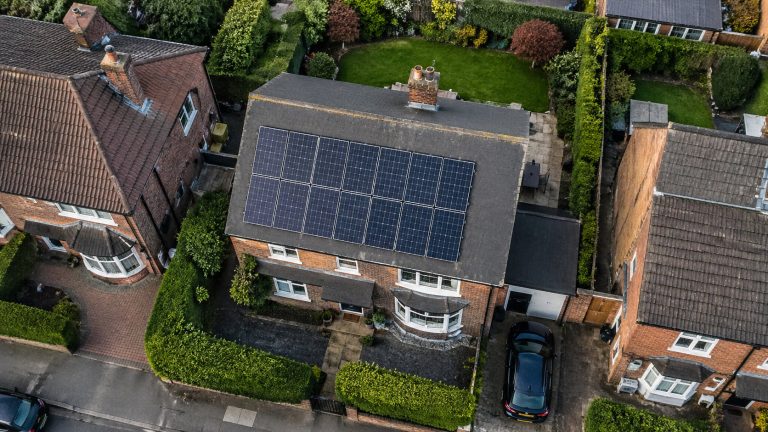
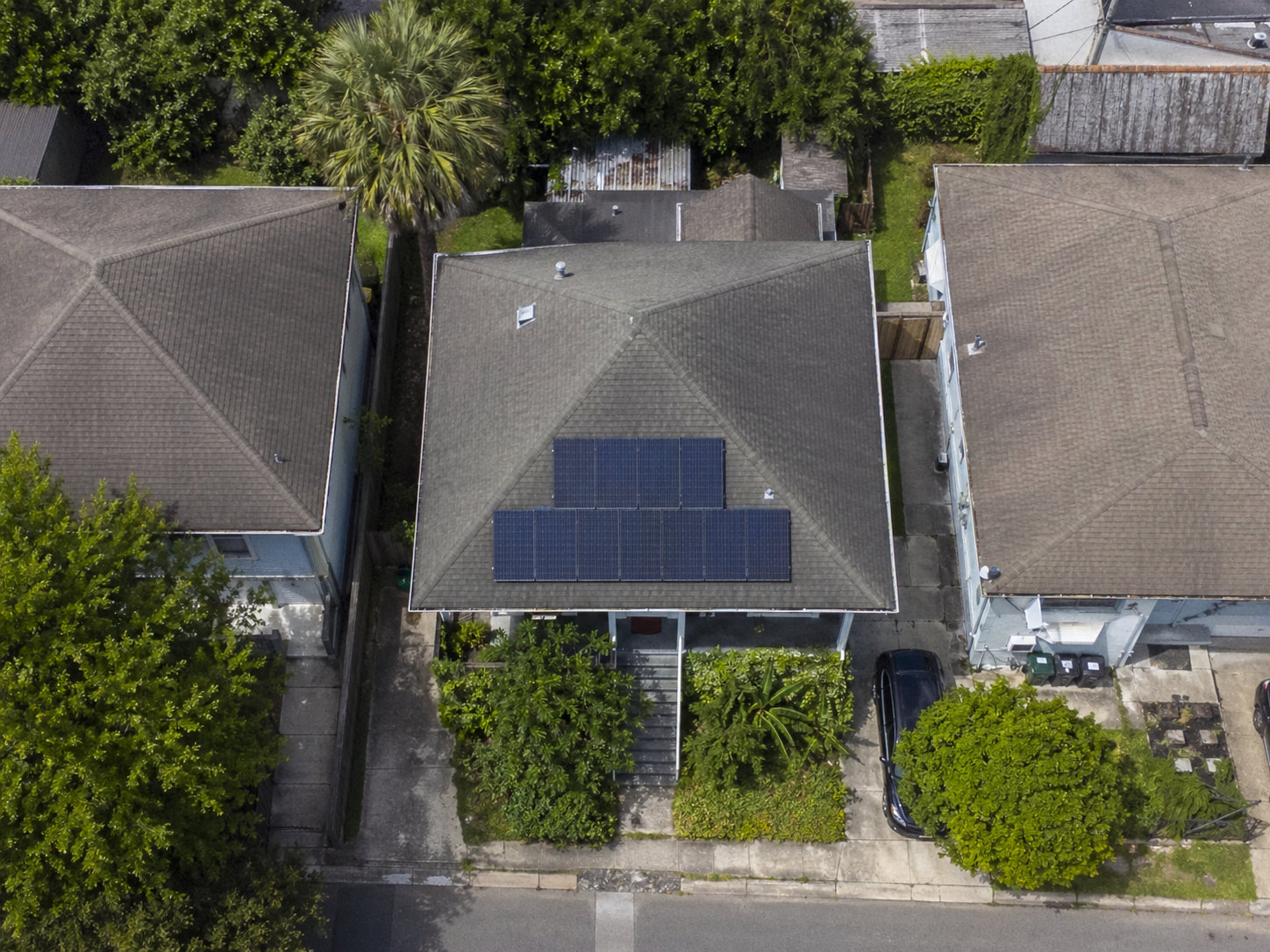
When the seller owns the solar panels outright, the transfer is usually straightforward. The panels stay on the home, and the buyer receives the system as part of the sale.
That does not mean there is nothing to do. Most people miss this part. The deed may transfer the property, but it does not automatically give the buyer every solar record, warranty right, monitoring login, or utility detail they need. A clean transfer means the buyer can prove who owns the system, see whether it is working, and know who to call if something fails.
Transferring a Loan, Lease, or PPA
If there is a solar loan, lease, or power purchase agreement, the transfer becomes more involved. A loan may need to be paid off, assigned, or handled through the closing process. A lease or PPA usually means the buyer may have to accept the remaining agreement, or the seller may need to work out a prepayment or buyout option.
Many solar leases and PPAs are written for long terms, often around 20–25 years. That remaining term is what buyers care about. They are not just looking at panels on a roof. They are looking at payment obligations, transfer rules, annual escalators, maintenance terms, and what happens if they sell the home later.
Transferring Monitoring and Utility Access
Monitoring access is its own transfer step. A buyer may own the house but still have no access to the app or portal that shows solar production. Systems using platforms such as Enphase, Tesla, or other monitoring tools may require a formal ownership or account change.
The utility side matters too. Net metering, solar billing credits, and interconnection records are tied to the customer account and local utility process. After closing, the buyer should confirm the utility account reflects the new owner and that solar credits are showing properly on the bill.
Physically Moving Panels
Taking solar panels off one house and putting them on another can be done, but it is not a simple moving task. The original array was designed around one roof, one mounting layout, one wiring path, and one utility approval.
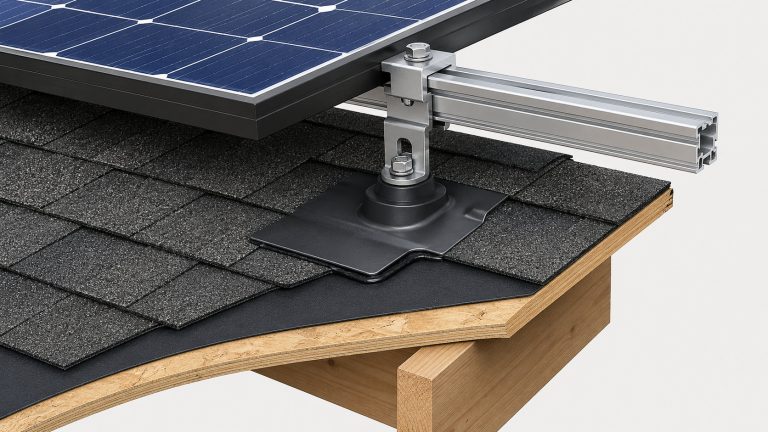
A physical move can involve electrical disconnect, panel removal, temporary storage, roof penetration repair, transport, new layout work, permitting, reinstall, inspection, and recommissioning. That is why a relocation should be priced like a construction project, not treated like taking down patio furniture.
The 4 Main Transfer Scenarios
Scenario 1: You Own the Panels
This is the simplest situation. If the panels are fully paid for, the seller can usually transfer the system with the home. The buyer should receive the purchase records, warranty documents, installer information, utility approval, and monitoring transfer instructions.
Still, do not rely on a verbal statement. “Paid off” needs backup. Ask for the original purchase agreement and proof that any financing was satisfied.
Scenario 2: You Have a Solar Loan
A solar loan adds a money issue to the transfer. Some loans stay with the seller and are paid off at closing. Others may have assumption rules. The details come from the loan documents, not from general solar advice.
For the buyer, the question is simple: are the panels really included with the house, or is there still debt attached somewhere? For the seller, the issue is whether the loan payoff affects closing proceeds. That should be known before the transaction is close to the finish line.
Scenario 3: You Have a Lease
With a lease, the homeowner may not own the equipment. The solar company or financing company often does. The homeowner pays for use of the system under the lease terms.

During a sale, the buyer may need to assume the lease, or the seller may need to prepay or buy out the agreement if the contract allows it. A lease with two years left is very different from one with 17 years left. Buyers should review the monthly payment, any escalator, maintenance terms, transfer rules, and end-of-term options.
Scenario 4: You Have a PPA
A PPA, or power purchase agreement, usually means the homeowner pays for the electricity the system produces. The provider owns or controls the equipment.
For a home sale, a PPA can create the same kind of transfer issue as a lease. The buyer may need to accept the agreement. If the buyer does not want it, the seller needs to look at the contract for prepayment, buyout, or other provider-approved options.
| System Status | What Usually Transfers | Main Risk | Best First Step |
|---|---|---|---|
| Owned outright | Equipment, records, warranties if transferable | Missing warranty or monitoring handoff | Collect documents before listing |
| Solar loan | Equipment may transfer, debt may not | Payoff or lien issue at closing | Ask lender for payoff or assumption rules |
| Lease | Agreement may need buyer assumption | Buyer refuses or does not qualify | Contact provider early |
| PPA | Energy purchase agreement may transfer | Long-term contract objection | Review remaining term and payment rules |
The takeaway is simple: the panels are only part of the transfer. The paperwork, payment obligation, utility account, and monitoring access usually decide whether the sale stays smooth.
How to Transfer Panels During a Sale
Step 1: Confirm System Status
Before listing the home, find out whether the system is owned, financed, leased, or under a PPA. This is the first question. Everything else depends on it.
Use documents, not memory. Look for the purchase agreement, loan paperwork, lease agreement, PPA contract, payoff letter, or provider account records. If the seller cannot identify the contract type, the buyer and title company will have the same problem later.
Step 2: Contact the Provider Early
For leased, PPA, financed, or provider-monitored systems, contact the solar company early. A basic account or ownership transfer may take a few weeks when the documents are clean. Lease and PPA transfers can take longer if the buyer has to be approved.
Some providers have a real estate transfer department. Others handle it through forms, signatures, title company requests, or buyer qualification. Waiting until closing week is asking for trouble.
Step 3: Gather Solar Documents
The buyer needs enough information to understand what they are getting. That usually includes the original agreement, warranty documents, installer records, utility approval, monitoring information, and recent production history if available.
- Original purchase, loan, lease, or PPA agreement
- Proof of payoff or current account status
- Manufacturer and workmanship warranty documents
- Utility interconnection or net metering approval
- Monitoring portal transfer instructions
- Recent production or utility billing records
This package helps the buyer, agent, lender, and title company see what is actually on the roof and whether any obligation follows it.
Step 4: Disclose Terms Early
A seller should not describe the system as a simple home feature if it is leased or under a PPA. That creates friction once the buyer sees the contract.
Put the payment structure, remaining term, transfer requirements, and any title-related documents on the table early. A buyer may still be fine with the system. They just need to know whether they are receiving owned equipment or stepping into a contract.
Step 5: Complete Transfer Forms
Provider transfer forms should not wait until the final walkthrough. In some cases, the seller starts the transfer, the buyer submits information, and the provider confirms the account change after closing. For a lease or PPA, buyer assumption may need to be approved before the transaction can move forward.
If there is a recorded notice, UCC filing, or similar document, the title company may need a release, subordination, or transaction-specific confirmation. Some providers charge document processing fees. One published benchmark is $150 for certain temporary UCC-1 release or subordination requests, but fees vary by provider and contract.
Step 6: Update Accounts After Closing
After closing, the new owner should confirm monitoring access, utility billing, solar credits, and warranty registration. This step gets skipped more often than it should because everyone thinks the sale is finished once keys change hands.
That can leave the buyer with a working system they cannot see, or worse, a system that is offline with no alert reaching the right person. Solar transfer is not done until the new owner can manage the system.
What Buyers Should Check
Who Owns the Panels?
The buyer needs a direct answer. Are the panels owned by the seller, financed through a loan, owned by a solar company, or tied to a PPA?
Do not rely on listing language. “Solar included” can mean fully owned equipment. It can also mean the buyer is expected to assume an agreement. Ask for the documents.
Are There Monthly Payments?
Monthly payments may come from a solar loan, lease, or PPA. The buyer should ask how much is owed each month, whether the amount changes over time, how long payments continue, and who is responsible after closing.
A solar payment is not automatically a dealbreaker. The issue is whether the buyer understands it before making an offer and whether the payment works with the mortgage, utility savings, and long-term plans.
How Many Years Remain?
Remaining term is one of the biggest issues in a lease or PPA transfer. A long agreement with many years left can affect buyer comfort and future resale.
The buyer should compare the remaining term with the age of the system, expected time in the home, payment terms, and any buyout or end-of-term options.
Are Warranties Transferable?
Many solar equipment warranties can transfer, but not always automatically. Some manufacturers or installers require a form, new owner registration, or proof of sale.
Workmanship warranties can be more limited than panel warranties. If the original installer is no longer in business or does not allow transfer, the buyer may still have manufacturer coverage but less support for roof and installation-related issues.
Is the System Producing Normally?
Ask for recent production records or monitoring screenshots. A full year of production history is useful when available because it shows seasonal output and can reveal whether the system has been offline.
This is not a deep performance audit. It is basic due diligence. A solar system that has not produced in months is not the same asset as one that is operating normally.
When Lease Transfers Get Complicated
Buyer Approval May Be Required
Some lease and PPA providers require the buyer to assume the agreement and may review buyer information before approving the transfer. That can slow down closing if the issue comes up late.
From a field perspective, the roof equipment can be perfectly fine while the paperwork becomes the problem. The solar panels do not have to fail for the solar transfer to disrupt the sale.
Seller Buyout May Be Needed
If the buyer does not want the lease or PPA, the seller may need to ask about prepayment or buyout options. The number is contract-specific. It may depend on remaining term, system value, production assumptions, and the provider’s formula.
Do not estimate this from a blog article or a neighbor’s deal. Request the figure from the provider. A late buyout surprise can change the seller’s net proceeds.
Contracts Can Affect Closing
Solar agreements can affect closing when the lender, title company, buyer, or provider needs more documentation. A recorded solar notice, UCC filing, or third-party ownership document may need to be handled before the file clears.
The issue is not always whether the solar company has a traditional lien on the house. The issue is whether the title and lender teams have enough documentation to move forward.
If the Buyer Refuses
If the buyer refuses to accept a lease or PPA, the seller’s options depend on the contract. Possible paths include renegotiating the price, prepaying the agreement, buying out the system, finding another buyer, or canceling if contract contingencies allow it.
This is why vague listing language causes trouble. It is much easier to deal with buyer objections before deadlines than after everyone is trying to close.
Can You Move Solar Panels?
Yes, But It Is Complicated
Solar panels can be moved, but the work crosses several trades: solar electrical, roofing, logistics, permitting, and inspection. The original system was designed for one roof and one utility setup.
If the panels are leased or under a PPA, the homeowner may not have the right to move them without provider approval. If the system is owned, there is more flexibility, but the work still needs to be done by qualified professionals.
Removal and Reinstall Costs
A practical field estimate for residential solar removal and reinstall is often around $1,500–$6,000+ for many average systems. Some detach-and-reset pricing lands around $225–$375 per panel, and a 20-panel project may fall around $3,000–$5,500 depending on roof access, roof material, racking condition, storage, and electrical scope.
Those numbers do not always include long-distance transport, extended storage, new permits, roof repairs, or redesign work at the new property. Transport may add a few hundred dollars to a few thousand dollars in some cases. Storage can also add cost if the panels cannot be reinstalled quickly.
Older Panels May Not Be Worth Moving
Panel age matters because the labor is still expensive even when the equipment is older. Removing, packing, hauling, redesigning, and reinstalling an older array can cost enough that the move stops making sense.
A newer, fully owned system may be worth evaluating for relocation. An older system with outdated racking, limited warranty value, or worn components is often better left with the home or replaced later with a new design.
New Roof Conditions Matter
The new house may have less usable roof area, a different orientation, more shade, a different mounting surface, or a harder electrical route. A system that worked well on one roof may not perform the same way on another.
Keep the question focused. The issue is not whether the new roof could support solar someday. The issue is whether this specific used system is worth adapting to that roof.
On relocation jobs, the panel is rarely the deciding factor. The real cost is in safe removal, roof penetration repair, transport, new layout work, permits, and recommissioning. If the quote only covers “taking the panels down,” it is probably not the full job.
Transfer, Buy Out, Leave, or Move?
Transfer When the Buyer Wants Solar
If the buyer wants the system and the paperwork is clean, transferring the system with the house is usually the simplest path. This is especially true for owned systems with clear records and working monitoring.
The seller can make the process easier by providing the agreement type, proof of ownership or payment status, warranty information, and recent production records before the buyer has to chase them down.
Buy Out When It Blocks Closing
A buyout or prepayment may make sense when a lease or PPA blocks the sale. It is not automatically the cheapest option, but it may be the cleanest way to remove a buyer objection.
Do not guess at the buyout. Ask the provider what the number means. In some contracts, a payment may transfer ownership. In others, it may only prepay future service or energy obligations.
Leave Panels Designed for That Roof
Most residential solar systems are designed around the roof where they were installed. The racking, wire runs, panel layout, inverter location, and utility approval all belong to that site.
Leaving the panels in place is often the practical choice when the system works and the buyer accepts the terms. It avoids unnecessary roof disturbance and keeps the original design intact.
Move Only When It Makes Sense
Moving panels is most reasonable when the system is owned, newer, in good condition, and valuable enough to justify the labor. The new home also needs a roof that can accept the system without forcing a poor layout.
If the relocation quote gets close to the value of replacing the system, moving the old panels usually loses. The same is true when the new roof is steep, fragile tile, heavily shaded, or difficult to access.
| Decision | Best Fit | Main Limitation | Risk Level |
|---|---|---|---|
| Transfer with sale | Buyer accepts owned system or agreement | Requires clean paperwork | Low to medium |
| Seller buyout | Lease/PPA blocks sale | Cost is contract-specific | Medium |
| Leave panels in place | System fits home and buyer wants it | Buyer must understand terms | Low |
| Physically move panels | Owned, newer system and suitable new roof | Removal, transport, permits, redesign | Medium to high |
The practical takeaway: paperwork transfer is usually easier than hardware relocation. Moving panels should only happen after a real quote and a new-site review.
Documents Needed to Transfer Panels
Purchase Agreement or Contract
The original agreement shows whether the system was purchased, financed, leased, or installed under a PPA. It may also list the provider, installer, system size, equipment, and transfer rules.
Loan, Lease, or PPA Documents
These documents define the financial obligation. For loans, the main question is payoff or assumption. For leases and PPAs, the buyer should review the remaining term, payment structure, rate changes, transfer process, and buyout options.
Warranty and Installer Records
Warranty documents should show panel coverage, inverter coverage, workmanship terms, and transfer requirements. Installer records also help future service contractors understand how the system was mounted and wired.
Utility Interconnection Approval
Interconnection approval confirms that the system was allowed to operate with the utility. The buyer should keep this with the home records in case billing or account questions come up later.
Monitoring Login and History
The seller should not just hand over a personal password. The better approach is an account ownership transfer through the monitoring provider when available.
Recent production history is also useful. It helps the buyer see whether the system has been operating normally before they inherit it.
Maintenance or Repair Records
Repair records help show whether the system has had inverter replacements, roof leak repairs, panel swaps, or monitoring problems. A system with records is easier to trust than one with no history.
Common Transfer Mistakes
Waiting Until Closing Week
Late provider contact is one of the most common mistakes. Sellers often assume the panels transfer with the house and then discover the provider needs signatures, buyer information, title documents, or account review.
The financial hit may not show up as a solar invoice. It may show up as a delayed closing, rate lock pressure, seller concession, legal review, or buyer demand for a price reduction.
Assuming Lease Transfers Are Automatic
Lease and PPA transfers follow the contract. A buyer saying “that’s fine” is not the same as provider approval.
If the provider has not approved the assumption, the seller may still be tied to the account or the closing may stall. This is where problems usually start.
Forgetting Monitoring Access
After closing, the buyer needs to see whether the system is working. If monitoring access stays with the seller, the buyer may not notice a production problem until the utility bill jumps.
For monitored systems, the transfer should include the app or portal, not just the hardware on the roof.
Removing Panels Without Checking Rules
Removing panels without checking lease terms, warranty rules, permits, and roof protection can create a mess fast. The homeowner may violate an agreement, lose workmanship coverage, damage roofing materials, or create an electrical safety issue.
Professional detach-and-reset work is not just muscle. It is electrical safety, roof protection, documentation, and recommissioning.
Advertising Savings Without Records
Solar savings claims need backup. Production records and utility bills are more useful than broad statements about low electric bills.
If records are missing, buyers may discount the system’s value or ask for more inspection before closing.
What May Not Transfer Automatically
Manufacturer Warranty
Panel and inverter warranties may transfer, but some require registration, proof of sale, or manufacturer processing. The buyer should confirm the process instead of assuming the deed handles it.
Workmanship Warranty
Workmanship coverage is often tied to the original installer and may have its own transfer rules. Unauthorized removal, roof work, or system changes can also create warranty problems.
Installer Service Agreement
A service agreement is not always the same as an equipment warranty. The buyer should ask whether the installer still services the system and whether any service plan transfers.
Incentive or Credit Rights
Solar renewable energy credits, incentive rights, and production-based benefits can be state-specific and contract-specific. Treat them as document-review items, not automatic benefits.
Net Metering or Billing
Net metering and solar billing rules vary by utility and state. The buyer should confirm how the utility handles ownership changes, meter credits, and solar billing after closing.
Home Seller Transfer Checklist
Confirm Status Before Listing
Before the property is listed, identify whether the system is owned, financed, leased, or under a PPA. That answer controls the disclosure and the transfer path.
Request Provider Instructions
Ask the solar provider what they require for a real estate transfer. Get the instructions in writing when possible, especially for leases, PPAs, loans, or title-document issues.
Share Contract Terms
Give the buyer the payment amount, remaining term, transfer requirements, warranty status, and buyout or prepayment options if they apply. Early disclosure prevents late renegotiation.
Provide Production History
When available, provide a year of production or utility history. It helps the buyer understand whether the system is operating and removes some uncertainty from the sale.
Complete Paperwork Before Closing
Do not rely on verbal assurances. Complete provider forms, title requests, warranty transfer forms, and buyer assumption paperwork before closing deadlines.
Confirm Access After Sale
After closing, make sure monitoring, billing, and warranty access have been handed off correctly. The buyer should not need the seller’s personal login to manage the system.
FAQ
Can solar panels be transferred to a new homeowner?
Yes. If the panels are owned, they can usually transfer with the home. The buyer should still receive proof of ownership, warranty documents, monitoring access, utility information, and confirmation that no loan, lease, or PPA issue is unresolved.
Can leased solar panels be transferred?
Usually, yes, but the buyer may need to assume the remaining lease terms and the provider may require approval or transfer paperwork. If the buyer refuses, the seller may need to look at prepayment, buyout, or renegotiation options.
Can I take solar panels when I move?
It can be done if you own the system and the new roof is suitable, but it is a professional job. Removal, transport, redesign, permitting, inspection, and reinstall can easily become expensive. A typical field estimate for removal and reinstall is often around $1,500–$6,000+, with added costs possible for access, storage, transport, or roof repairs.
Do solar warranties transfer automatically?
Not always. Some warranties transfer, but many require a form, proof of sale, or manufacturer account update. Workmanship warranties may have different transfer rules than panel or inverter warranties.
What if the buyer does not want the panels?
If the system is owned, the seller and buyer can negotiate whether it stays. If the system is leased or under a PPA, the contract controls the options. The seller may need to prepay, buy out, renegotiate, or find a buyer willing to assume the agreement.