Should You Reuse Old Solar Panels?
Quick Answer
Yes, solar panels can be reused, but only when the panels are undamaged, electrically checked, compatible with the next system, and worth the labor to handle them. The real question is not “will an old panel make power?” Many will. The better question is whether that panel is safe, productive enough, and cheap enough to justify putting it back into service. A used panel priced in the typical $0.10 to $0.60 per watt range may make sense for a shed, cabin, workshop, or small off-grid setup. It may be a bad fit for a permitted grid-tied home system if there is no test report, no warranty path, damaged wiring, or high removal and reinstallation labor.
What Reusing Solar Panels Means
Reinstalling Your Own Panels
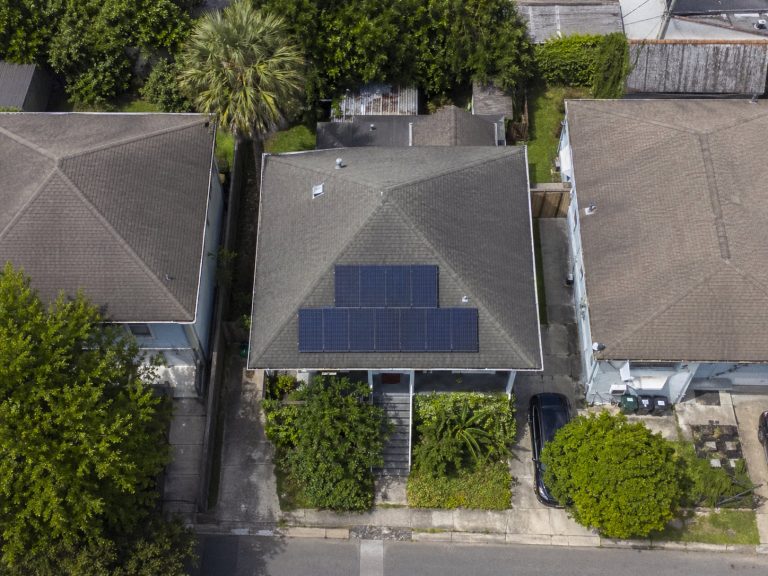
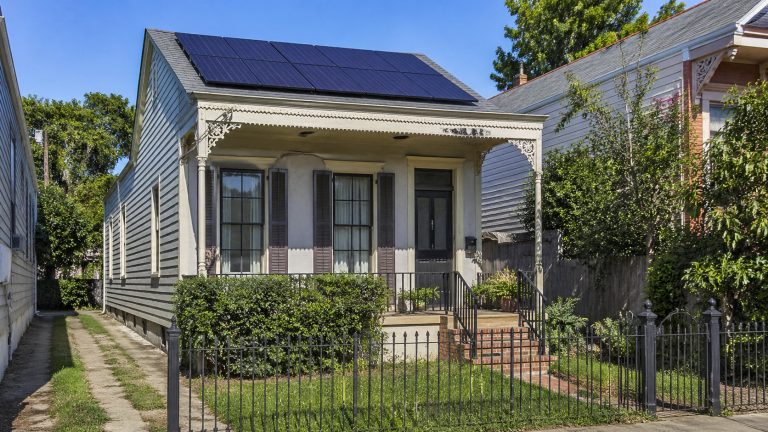
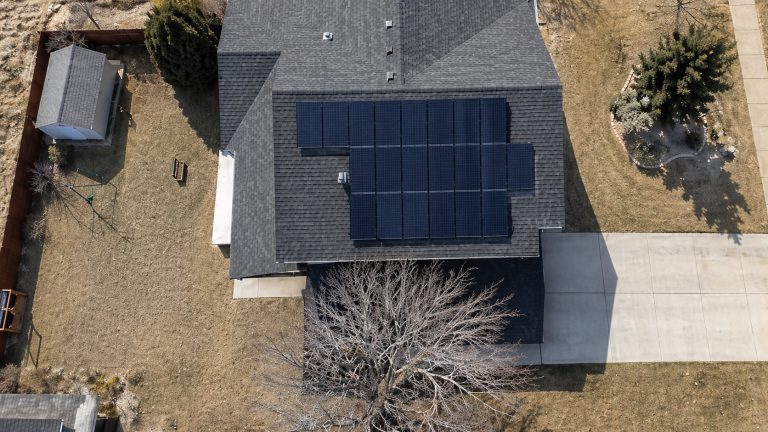
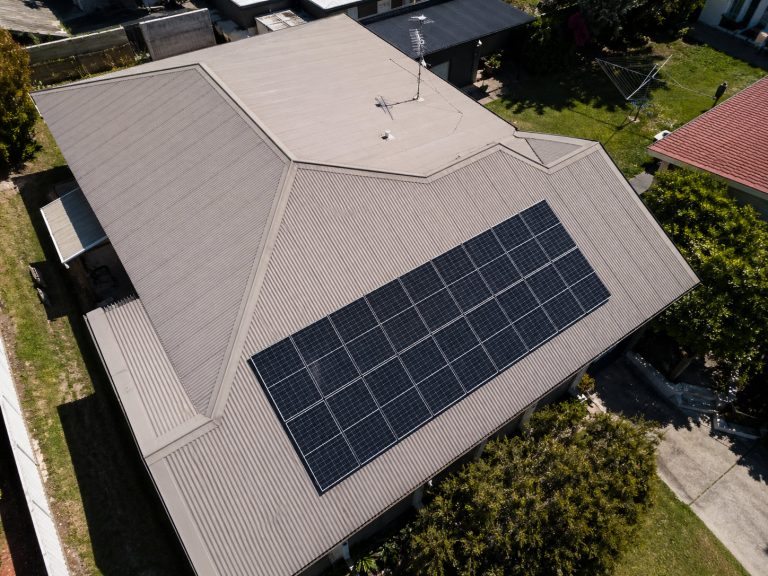
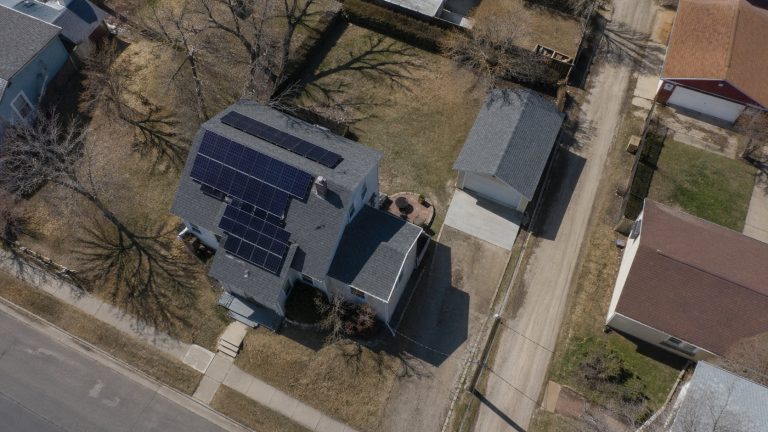
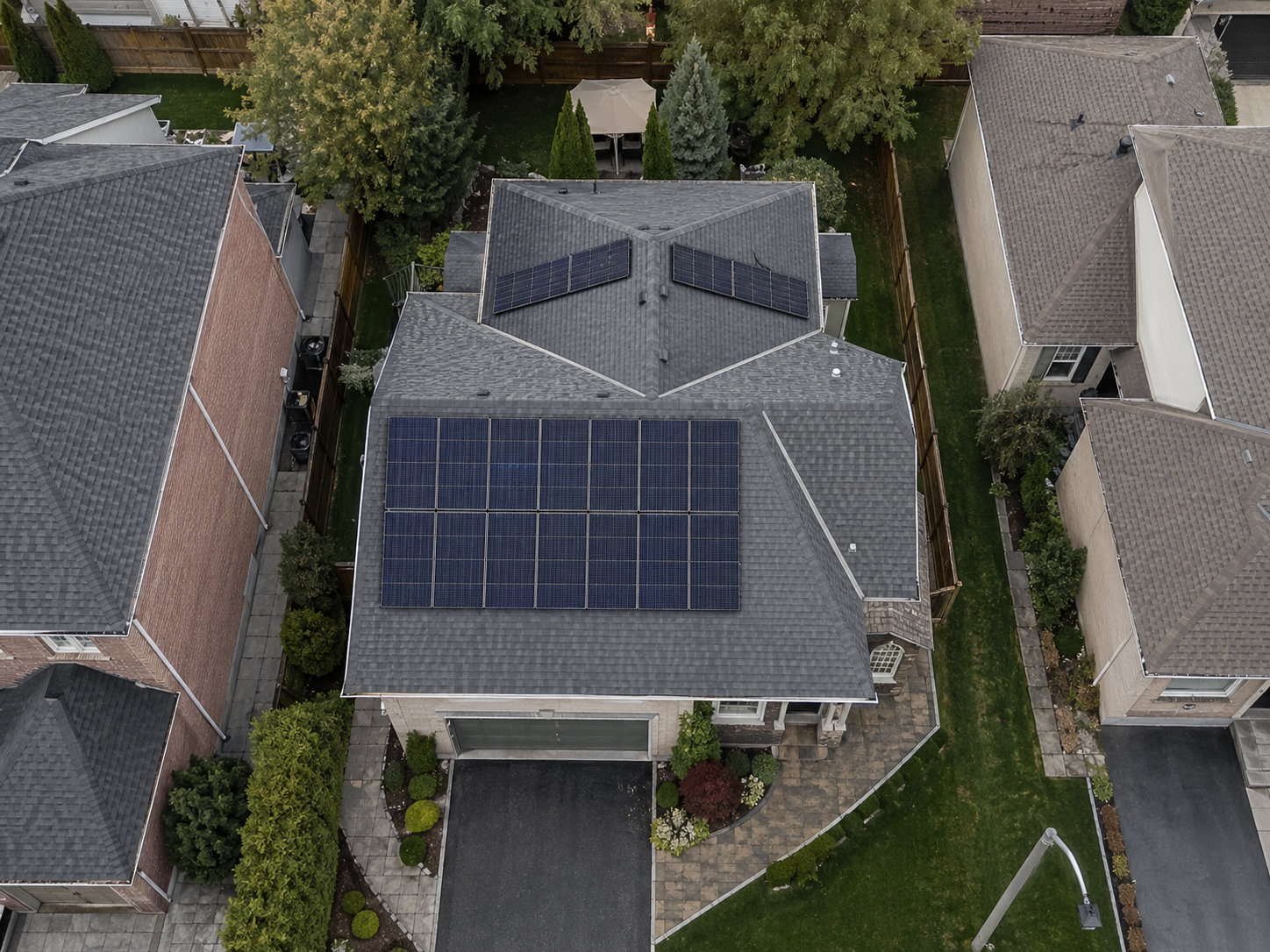
This is the roof-related situation I see most often. A homeowner needs a roof repaired or replaced, so the solar array gets removed, stored, and then installed again. The panels are not being bought second-hand. They are the owner’s existing panels being reset after roof work.
That can be perfectly reasonable. But the panels are only one part of the decision. The mounts, flashing, wire management, grounding parts, and roof attachments may not be in reusable condition. Most people miss this part. Reusing panels does not mean every old part should go back on the new roof.
Buying Used Panels
Buying used solar panels is a different risk. Now you are relying on someone else’s history: how the panels were removed, why they were removed, where they were stored, and whether they were damaged in transport. A listing might show the original factory wattage. That is not the same thing as current tested output.
Used panels are usually priced by watt. A practical market range is often around $0.10 to $0.60 per watt, depending on age, brand, condition, and test documentation. That can look cheap. Sometimes it is. Sometimes the low price is just a warning sign with a dollar amount attached.
Repurposing for Off-Grid Uses
Reused panels usually make the most sense in lower-stakes projects: sheds, barns, cabins, RV setups, gate openers, irrigation loads, workshops, and small battery-charging systems. These projects can tolerate some production loss better than a whole-home roof array can.
That does not make damaged panels safe. A cracked module, burned connector, loose junction box, or water-damaged backsheet is still a problem. The difference is that an older but tested panel with modest output loss may still be useful when the load is small and the design is built around its actual performance.
Reuse vs Refurbishment vs Recycling
Reuse means the panel goes back into service with little or no repair. Refurbishment means the panel is inspected, tested, cleaned, repaired, or sorted before it is used again. Recycling means the panel is no longer being treated as usable electrical equipment and is sent for material recovery.
Those are very different paths. A panel with normal age-related output loss may be reusable. A panel with damaged connectors may need repair or rejection. A panel with cracked glass, water intrusion, burn marks, or serious delamination should not be casually put back on a roof.
Reuse vs Replace vs Recycle
The Core Decision
The decision is built on four checks: output, safety, compatibility, and labor cost. If one of those fails, reuse gets harder to justify.
Solar panels can produce power for a long time, but output usually declines year by year. A common industry benchmark is roughly 0.5% annual degradation, though field results vary by panel quality, climate, heat exposure, and damage history. So yes, an older panel may still work. No, that does not mean it is still worth installing.
| Choice | Best Fit | Main Risk | Decision Test |
|---|---|---|---|
| Reuse | Intact panels with verified output | Hidden damage or reduced production | Passes visual, electrical, and compatibility checks |
| Replace | Old panels on a main home system | Higher upfront material cost | New warranty and performance justify replacement |
| Recycle | Damaged, unsafe, or failed panels | Disposal logistics | Cracks, delamination, burn marks, or failed testing |
The takeaway is straightforward. Reuse works best when the panel is known, tested, and going into the right application. Replacement makes more sense when the home depends on long-term output, warranty coverage, and clean permitting. Recycling is the right call when the panel is no longer a reliable electrical product.
Reuse When Panels Test Well
A panel that still tests well, has clean glass, a solid frame, sound wiring, and no signs of heat or moisture damage can be a good reuse candidate. This is especially true when you already own it and you are not trying to force it into a brand-new system design.
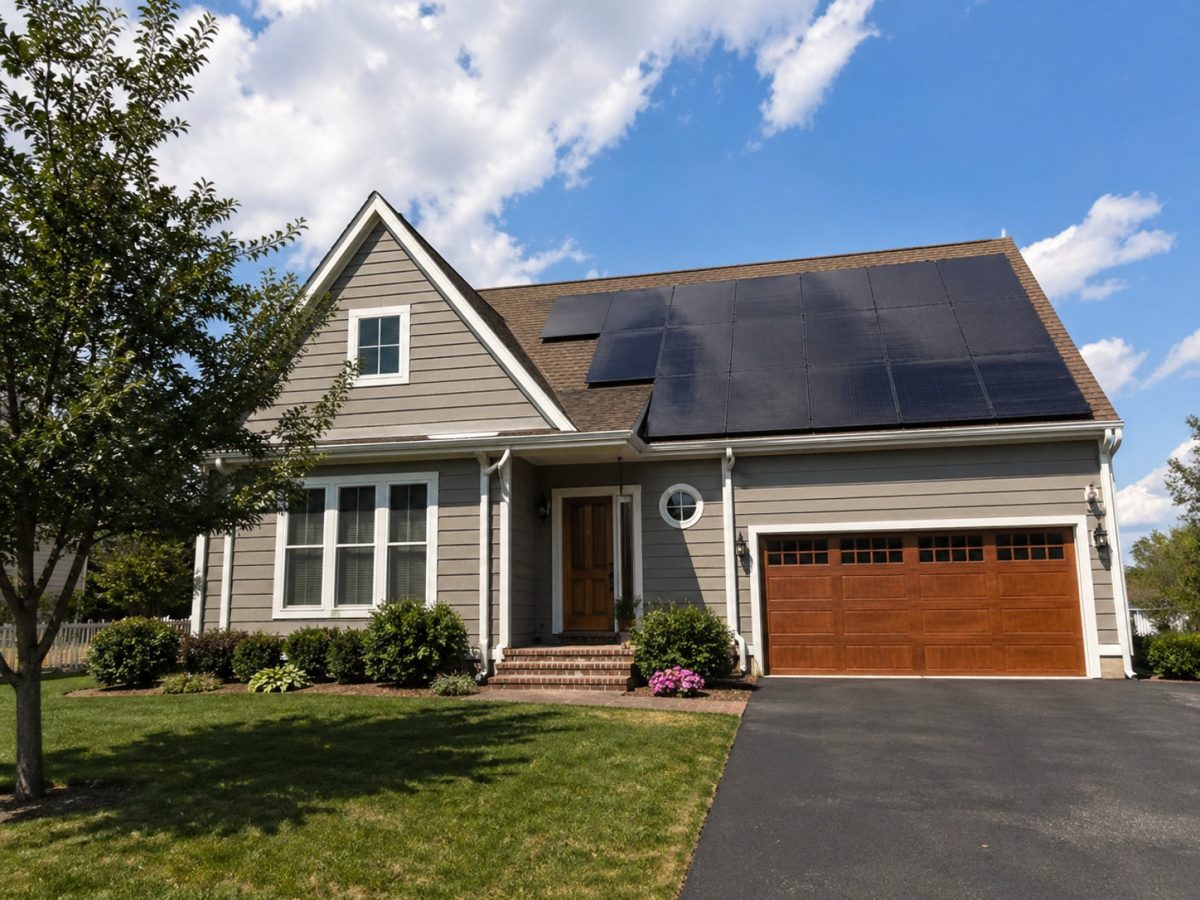
For a roof reset, the installer should look beyond the panel face. The rails, clamps, flashing, grounding, wire clips, and roof penetrations all matter. A good panel on bad roof hardware is not a good outcome.
Replace When Labor Wins
Replacement often starts making sense when the panels are old and the labor is high. Practical removal and reinstallation benchmarks commonly fall somewhere around $140 to $500 per panel, depending on roof access, system size, pitch, stories, storage, and the exact work included. Full residential projects can easily run into several thousand dollars.
That does not mean every old array should be scrapped. It means the math has to be honest. If a panel has limited remaining output, no useful warranty, and expensive handling labor, resetting it may be poor value.
Recycle When Panels Are Unsafe
Recycle or reject panels with cracked glass, water intrusion, serious delamination, burned areas, failed junction boxes, or unsafe wiring. These are not cosmetic issues. They can affect insulation, moisture resistance, electrical connections, and long-term roof safety.
A panel that shows voltage on a meter is not automatically reusable. That is a low bar. Reuse decisions should be based on inspection, output testing, and safety checks, not a quick “it still works” test.
How Much Life Is Left?
Typical 25–30 Year Service Life
Many solar panels are built around a long service life, often discussed in the 25- to 30-year range. That does not mean a panel shuts off at year 25. It means the expected performance decline is usually measured over decades.
For reuse, age is only the first clue. A carefully removed 12-year-old panel with clean test results may be a better bet than a 6-year-old salvage panel with edge damage and no documentation. The label tells you what the panel was rated for when new. Testing tells you what you are actually dealing with.
0.5% Annual Degradation
A typical industry benchmark for solar panel degradation is around 0.5% per year. At that rate, many panels can still produce useful power after 15 or 20 years.
But real panels do not all age the same way. Heat, moisture, manufacturing variation, cracked cells, hot spots, rough removal, and bad storage can all make performance worse than the average. That is why paying for used panels based only on original wattage is a mistake.
Climate and Heat Loss
Panels that spent years on hotter roofs may have more wear than panels from cooler operating conditions. Some field observations put degradation in cooler climates below roughly 0.5% per year, while hotter environments can approach closer to 0.9% per year in certain datasets.
For reuse, that difference matters. Two panels with the same nameplate rating and the same age may not have the same remaining value. Heat history, storage history, and removal handling all affect the risk.
Age Is Not Enough
Age alone is a weak decision tool. A panel can be old and still useful. It can also be fairly new and not worth touching. Handling matters too. Panels removed carefully, labeled properly, stored upright or protected, and kept dry are much better candidates than panels tossed into a pile during demolition.
In the field, I trust history and test results more than age. A clean, tested 15-year-old panel is easier to work with than a newer salvage panel with no output report, no removal history, and damaged corners.
When Reuse Makes Sense
Your Own Panels After Roof Work
Reusing your own panels after roof work can be a solid decision when the system was performing well before removal and the panels are still in good condition. The array should be documented before removal, wiring should be labeled, and the panels should be protected during storage.
The roof work also has to be ready for solar to go back on it. That means proper attachments, flashing, layout control, and a clear handoff between the roofer and the solar contractor. If nobody owns that coordination, problems show up later as leaks, callbacks, or production issues.
Sheds, Cabins, and Workshops
Used panels are often a good fit for smaller non-critical loads. A cabin battery bank, shed light circuit, workshop fan, or farm equipment charger does not always need brand-new modules with full warranty coverage.
Design around the real output, not the sticker. If a panel was rated at 300 watts when new but tests lower now, size the system around that lower number. Off-grid projects are more forgiving, but they still need basic design discipline.
Used Panels at $0.10–$0.60/W
Used panel pricing around $0.10 to $0.60 per watt can make sense when the condition matches the price. The low end usually comes with more uncertainty: older panels, bulk lots, no warranty, no test reports, or cosmetic wear. Higher pricing should come with better documentation.
Do not pay a premium for a vague listing. A panel with verified output, good photos, intact connectors, a readable label, and a known history is worth more than a panel described only as “working.”
When Matching Is Not Critical
Reused panels are easier to justify when they do not need to match a modern roof array. Small independent systems are more flexible. A permitted residential array is not.
Mixing old and new modules can create design problems if voltage, current, degradation level, inverter requirements, or optimizer compatibility do not line up. On a home roof, those details matter. On a small standalone rack, there may be more room to design around them.
When Reuse Is a Bad Decision
Grid-Tied Home Systems
Used panels are often a weak choice for a new grid-tied home system. Residential systems depend on code approval, utility interconnection, manufacturer documentation, installer workmanship coverage, and predictable long-term output.
Warranty can also be a problem. Some warranties may not transfer. Some may depend on original ownership, approved installation, registration, or installer documentation. Because terms vary, do not assume used panels carry meaningful coverage unless the paperwork says so.
Unknown History
Unknown history is a real risk. You may not know whether the panels came from a storm-damaged roof, a failed system, a demolition job, or a normal upgrade. You may not know whether they were stored indoors, left outside, stacked badly, or damaged in freight.
The issue is not just lower wattage. Hidden cell cracks, moisture damage, weak insulation, and damaged connectors can show up after installation. At that point, the cheap panel is now a service problem.
Visible Damage
Cracked glass, burn marks, delamination, corrosion, loose junction boxes, missing labels, and damaged cables are all serious red flags. Do not talk yourself into ignoring them.
Delamination is especially important. It may look like bubbling, cloudy patches, browning, or separation inside the panel. Once moisture has a path into the module, roof reuse becomes hard to defend.
Labor Exceeds Savings
Reuse falls apart financially when the labor is expensive and the panels are not worth much. Removal, storage, handling, reinstallation, replacement hardware, inspection, and recommissioning all cost money.
This is where the “free panels” idea breaks down. If resetting an old array costs hundreds of dollars per panel and the modules are already well into their service life, replacement may be the cleaner decision.
What to Check Before Reuse
Nameplate vs Tested Wattage
The nameplate rating is the original factory rating. It is useful, but it is not current proof of performance. For reused panels, tested wattage matters more.
A proper test may include an I-V curve or a flash test. For smaller DIY projects, people sometimes use basic voltage and current checks, but those are limited. They do not tell the whole story.
Visual Defects
Start with the obvious. Visual inspection will not prove a panel is good, but it can quickly tell you when one should not move forward.
- Cracked or shattered front glass
- Delamination, bubbling, browning, or cloudy areas
- Burn marks, hot spot stains, or melted areas
- Corroded frames, loose junction boxes, or damaged backsheets
- Cut, brittle, mismatched, or damaged connectors and cables
One of these issues may call for professional review. Several together usually mean the panel is not a good reuse candidate.
Electrical Testing
Electrical testing should go beyond “it has voltage.” Useful checks can include open-circuit voltage, short-circuit current, insulation resistance, bypass diode function, and I-V curve testing. For higher-confidence sorting, electroluminescence imaging may be used to find hidden cell cracks.
The more permanent the installation, the stronger the testing should be. A panel going on a home roof should face more scrutiny than a panel used for a small experimental ground setup.
Connector and Cable Condition
Connectors and cables take abuse during removal. They get pulled, stepped on, pinched, dragged, cut, or exposed to weather. Older connectors can also become brittle.
Do not treat wiring damage as a minor issue. On a roof, poor connections are expensive to reach and can create real safety concerns. A panel with questionable connectors may cost more in service than it saves in purchase price.
System Compatibility
The panel also has to fit the system. Voltage, current, string design, inverter limits, optimizers, rapid shutdown equipment, grounding, and mounting all come into play.
This does not need to become a full electrical design lesson. The point is simple: a panel that works by itself may still be wrong for the array you want to build.
Reusing Panels From Your Roof
When Reinstallation Works
Reinstallation works best when the existing system was performing well, the panels are in good physical condition, and the roof project is planned around the solar reset. The solar crew should document the layout, label wires, protect the modules, and coordinate timing with the roofer.
Responsibility should be clear before work starts. Who handles removal? Who stores the panels? Who replaces broken parts? Who owns roof leaks after reinstall? If those answers are vague, expect finger-pointing later.
Parts That May Need Replacement
Even if the panels are reused, the hardware may not be. Flashing, sealants, attachments, rail hardware, grounding parts, conduit supports, and wire management can all need replacement.
For roof reliability, this matters. The panel makes power. The attachments and flashing keep water out of the house. Do not save a few dollars on worn roof parts and create a leak risk.
Labor vs Panel Value
The cost comparison should be done honestly. Look at the total reset price, not just the fact that the panels are already owned. If removal and reinstall work lands in the hundreds per panel, older modules need to have enough remaining value to justify that labor.
A clear quote should separate removal, storage, roof coordination, replacement hardware, reinstallation, inspection, and recommissioning. A vague line item for “solar reset” is not enough detail for a good decision.
Questions for the Contractor
Ask practical questions before approving the work. You are not trying to micromanage the contractor. You are trying to find out whether the reset is being handled like a controlled solar job or just a roof obstacle.
- Will each panel be inspected before it goes back up?
- Will any output or electrical checks be done?
- Which mounts, flashing, wires, and connectors will be replaced?
- Who is responsible if a leak appears after reinstall?
- Will the system be recommissioned and production checked?
Good answers here reduce surprises. Weak answers usually mean the scope is not tight enough.
Buying Used Solar Panels
Fair $0.10–$0.60/W Pricing
A used-panel range of roughly $0.10 to $0.60 per watt can be realistic, but the price has to match the risk. Low pricing often means age, no warranty, no test report, cosmetic wear, bulk liquidation, or uncertain history. Higher pricing should come with stronger evidence.
Shipping matters too. Solar panels are big, fragile electrical products. Poor packing can turn a decent used panel into cracked glass before it ever reaches the site.
Tested Output Beats Advertised Wattage
A listing that says “300-watt panel” may only be repeating the original label. Ask what it produces now.
Tested output protects the buyer and helps with design. If you design around the label but the panel produces far less, the system may underperform from day one.
No Warranty vs New Warranty
Warranty is one of the biggest differences between new and used panels. New modules usually come with documented product and performance coverage. Used panels may have no transferable coverage, unclear paperwork, or expired terms.
That matters more on a roof than on a small backyard project. If a used panel fails after it is mounted, the owner may pay for diagnosis, roof access, removal, replacement, and lost production.
Red Flags in Listings
Be careful with listings that show missing labels, no tested wattage, blurry photos, visible glass damage, corroded frames, cut cables, mismatched connectors, or vague language.
“Worked when removed” is not a test result. It does not tell you current output, insulation condition, diode condition, or whether the panel was damaged after it came off the roof.
Best Uses for Reused Panels
Off-Grid and Non-Critical Loads
The best use cases are usually off-grid, low-budget, or non-critical. Shed lights, cabin batteries, gate openers, fans, pumps, and learning projects can often tolerate older panels with some output loss.
That still requires safe wiring and realistic sizing. Cheap does not mean casual.
Possible Home Add-Ons
Used panels may work for some home add-ons, but they need professional review. The existing inverter, string layout, optimizers, shutdown equipment, roof space, and permit requirements can all limit what is practical.
Adding a few used panels to a home array is rarely as simple as finding open roof space. The design has to accept them.
Poor Fit for Main Systems
Reused panels are usually a poor fit when the homeowner wants a primary residential system with long warranty life, clean documentation, predictable production, and easy service support.
The module savings can disappear quickly if the project becomes harder to permit, design, finance, warranty, or troubleshoot.
Risks, Mistakes, and Limits
Looks Clean, Still Risky
A clean panel can still have hidden microcracks, weak insulation, degraded bypass diodes, or connector problems. Visual inspection is useful, but it is not enough.
This is where buyers get caught. The glass looks fine, so they assume the panel is fine. Then the system underperforms, fails a check, or needs service after installation.
Fire and Grounding Risks
Reused panels create risk when wiring, connectors, grounding, or junction boxes are damaged. Loose connections, mismatched connectors, and insulation problems should be taken seriously, especially on a roof.
The cost of getting this wrong is not limited to replacing one panel. It can include troubleshooting, roof access, failed inspection, rewiring, and downtime.
Mixing Old and New Panels
Mixing panels can work in the right design, but it should not be improvised. Different voltages, currents, degradation levels, and equipment requirements can affect performance.
If one reused panel limits the array or forces extra equipment changes, the savings may not be real. Check compatibility before buying, not after the panels are sitting in the driveway.
Incentive and Permit Limits
Some incentive programs, utilities, finance companies, or installers may require specific equipment documentation. Used panels can complicate that. Local inspectors may also require clear labeling and approved equipment.
Rules vary by area and program. Do not assume reused panels qualify for the same treatment as new equipment. Verify before purchase.
Paying More Than Panels Are Worth
The biggest financial mistake is treating reused panels as free power. They still need transport, testing, mounting, wiring, labor, and sometimes replacement hardware. On a roof, access alone can change the whole calculation.
| Mistake | Why It Happens | Likely Cost Risk |
|---|---|---|
| Buying without test data | Original wattage is mistaken for current wattage | Overpaying for weak production |
| Ignoring removal labor | Owner focuses only on panel price | Hundreds of dollars per panel in service cost |
| Reusing damaged connectors | Small defects look harmless | Callback, failed inspection, or unsafe connection |
| Assuming warranty transfers | Paperwork is not checked | Owner pays replacement and access labor |
The right comparison is total reuse cost against remaining useful output. Anything less is guesswork.
Final Decision Checklist
Reuse If Checks Pass
Reuse makes sense when the panels pass inspection, produce enough tested output, have safe wiring, fit the system design, and do not require labor that outweighs their remaining value.
Replace for Warranty Life
Replacement is usually the cleaner decision for a main home array when the panels are old, output is uncertain, warranty coverage is gone, or the roof reset labor is high.
Recycle Unsafe Panels
Panels with cracked glass, delamination, water intrusion, burn marks, failed junction boxes, or unsafe wiring should not be put back into service casually. Recycling is the better path when the panel is no longer a trustworthy electrical product.
Get Professional Review
Professional review is strongly recommended when reused panels will be mounted on a roof, connected to a home, tied to the grid, or mixed into an existing system. The more permanent the installation, the less room there is for guessing.
| Decision Point | Reuse | Replace | Recycle |
|---|---|---|---|
| Tested output | Acceptable for project | Too low for main system | Failed or not worth testing |
| Physical condition | No major damage | Aged but replaceable | Cracked, burned, delaminated |
| Roof labor cost | Reasonable vs remaining value | Too high for old modules | Not applicable |
| Best use | Off-grid or verified reset | Main residential system | Unsafe or failed panels |
Use evidence, not hope: condition, test results, compatibility, warranty status, and labor cost. Reused solar panels can be a smart move. They can also be false economy.
FAQ
Can solar panels be reused after roof replacement?
Yes, they often can be reused if they are removed carefully, stored properly, inspected, and reinstalled with suitable roof attachments. The panels may be fine while the flashing, mounts, wiring clips, or other roof-interface parts still need replacement.
Are reused solar panels safe?
They can be safe if they pass visual and electrical checks. Panels with cracked glass, burn marks, delamination, water intrusion, damaged cables, or faulty junction boxes should not be treated as safe just because they still produce some power.
How much power do old panels lose?
A common industry benchmark is about 0.5% degradation per year, but actual loss varies. Heat, moisture, panel quality, hidden damage, and removal history can all change the result.
Is it worth buying used solar panels?
It can be worth it for off-grid, non-critical, or budget projects when the panels are tested and priced for their condition. A typical used-panel price range is about $0.10 to $0.60 per watt, but untested panels with no warranty or known history should be treated as higher-risk equipment.
Should damaged panels be reused or recycled?
Seriously damaged panels should usually be recycled or reviewed by a professional, not reused casually. Cracked glass, delamination, burn marks, water intrusion, and connector damage can create safety and reliability risks that outweigh the value of the panel.