Can You Upgrade Existing Solar Panels?
Quick Answer: Yes, With Limits
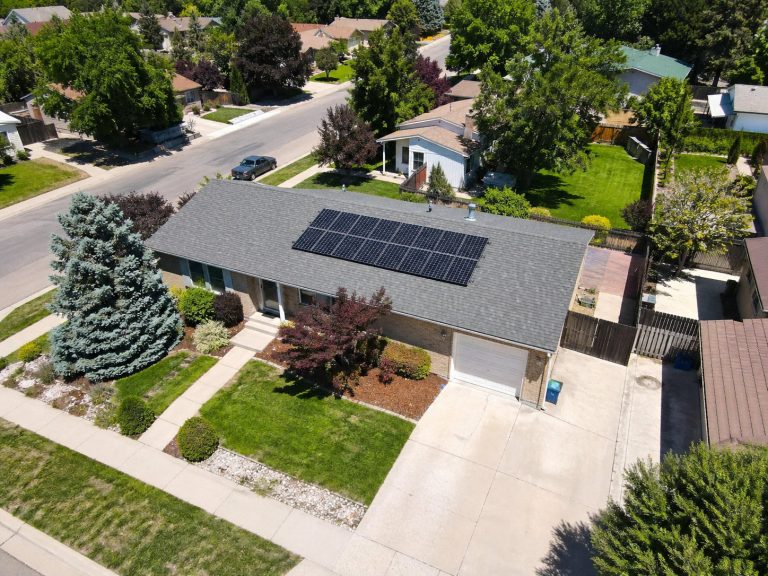
Yes, solar panels can be upgraded. But in the field, it is almost never as simple as “add a few more panels.” The inverter, panel compatibility, roof layout, utility approval, and monitoring setup all matter. A useful benchmark: many solar panels lose output slowly, often around 0.5% per year under typical conditions, so older panels may still be worth keeping. The real decision is whether the home needs more production, better backup power, equipment replacement, or a proper diagnosis before new equipment is added.
What It Means to Upgrade Solar Panels
“Upgrading solar panels” can mean a few different things. A homeowner may mean adding more panels. An installer may mean replacing the inverter, adding a battery, rebuilding the monitoring system, changing racking, or replacing older modules with newer higher-wattage ones.
That distinction matters. The right upgrade depends on what is actually limiting the system. Sometimes there is open roof space, but the inverter is already maxed out. Sometimes the inverter has room, but the utility has not approved a larger export system. Sometimes the solar system is not too small at all. It is just underperforming because of a failed component, shading change, or monitoring problem.
Adding More Panels
This is the upgrade most people think of first. More panels can increase annual production, but only if the rest of the system can accept them. The inverter, wiring, roof attachments, racking, and utility agreement all have to line up. If they do not, the added panels may produce less than expected or fail inspection.
Replacing Older Panels
Replacing older panels with newer, higher-wattage modules can make sense when roof space is tight or the old panels are failing. It is not automatically the smart move. Many panels keep producing useful power for 25–30 years, even if output drops slowly over time.
Upgrading the Inverter
The inverter is often the bottleneck. Many residential string inverters are commonly treated as 10–15 year equipment in planning conversations. Panels usually last longer. If the inverter is aging, undersized, or not compatible with newer hardware, replacing it may be the cleanest way to expand the system.
Adding a Battery
A battery is a different kind of upgrade. It does not make the solar array produce more energy. It stores energy for later use or backup. Many common home batteries are in the 10–15 kWh usable-capacity range, but the right size depends on the circuits being backed up and how the existing solar system is built.
Expanding Monitoring
Some upgrades are about visibility, not extra production. New monitoring hardware, optimizers, gateways, or microinverter communication can help identify weak panels or failed components. That is important because you do not want to buy more panels to cover up a repair problem.
The Main Decision
The first question should not be, “How many more panels can fit?” The better question is, “What problem are we trying to solve?” A home with a new EV charger has a different problem than a home whose solar production suddenly dropped by 30%.
| Goal | Likely Upgrade | Main Constraint |
|---|---|---|
| More annual energy | Add panels or replace low-output modules | Inverter capacity and roof space |
| Backup during outages | Add battery storage | Battery output, usable kWh, and backed-up loads |
| Fix underproduction | Diagnose panels, inverter, wiring, or monitoring | Actual fault may not require expansion |
| Modernize old equipment | Replace inverter or monitoring hardware | Compatibility with existing panels |
| Use limited roof space better | Higher-wattage replacement modules | Electrical matching and racking layout |
The practical takeaway: match the upgrade to the problem. This is where bad quotes usually start. Someone sells more hardware before proving what the system actually needs.
Higher Electric Bills
If bills went up after adding an EV, heat pump, pool pump, electric water heater, or other major load, extra solar capacity may make sense. A contractor should compare the last 12 months of utility usage against current solar production before recommending a larger system.
Lower Solar Production
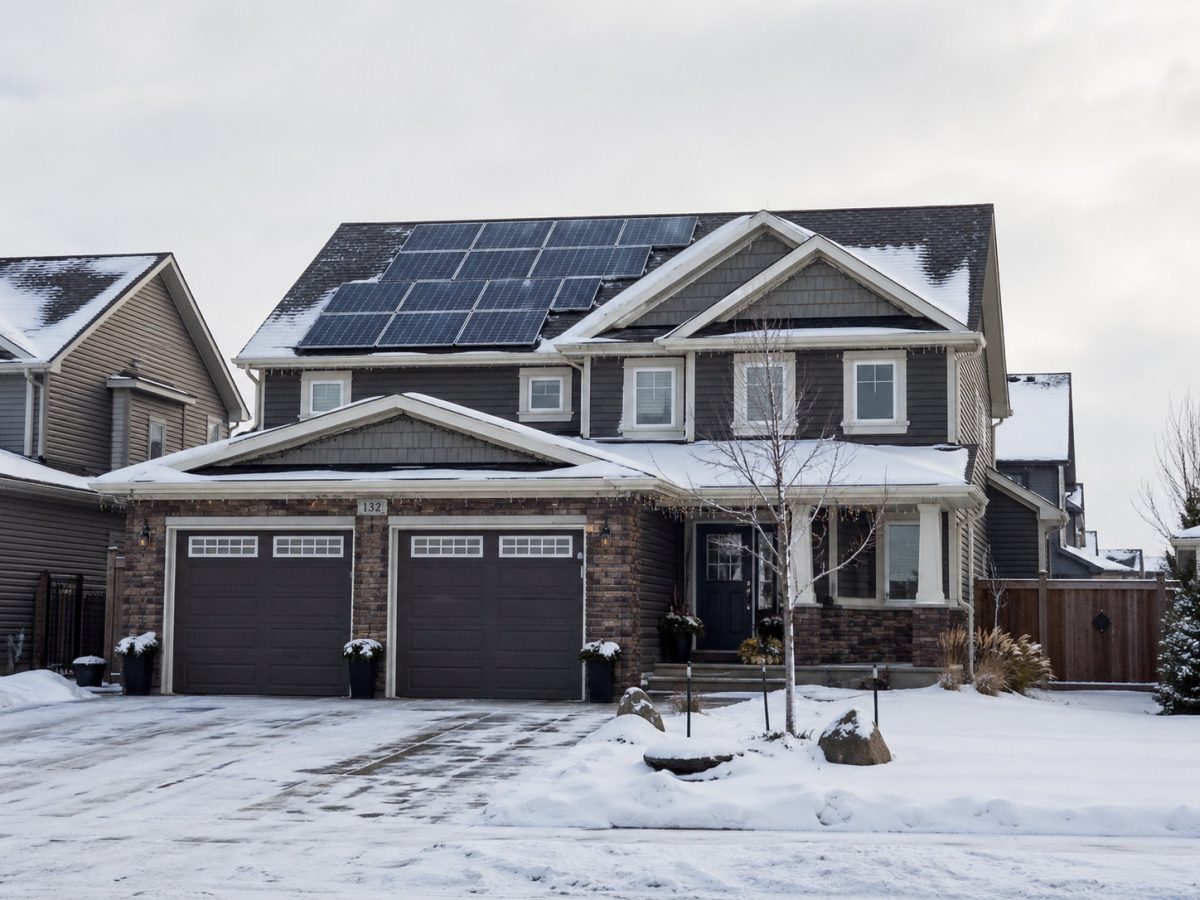
If production has dropped, slow panel aging is only one possibility. A sharp drop usually points somewhere else: inverter trouble, failed module electronics, damaged wiring, new shade, or a monitoring issue. Guessing here gets expensive.
Backup Power Needs
Backup power is mainly a battery and load-design question. A battery can keep selected circuits running, but it may not run the whole house. Large HVAC equipment, electric ranges, well pumps, and other heavy loads need to be discussed before anyone promises “whole-home backup.”
Limited Roof Space
If the usable roof area is tight, replacing older low-wattage panels with newer higher-output panels may be more practical than adding a small patch of panels somewhere else. But the replacement panels still have to work electrically with the rest of the system.
Old or Incompatible Systems
Older systems may use discontinued panels, discontinued racking, outdated rapid shutdown equipment, or monitoring platforms that do not play well with newer components. In those cases, a separate new array can be cleaner than forcing new parts into an old design.
Panel Age and Degradation
Panel age matters, but it is often blamed too quickly. A typical industry benchmark for solar panel degradation is around 0.5% per year, with hotter roof environments sometimes seeing faster loss. That is gradual. It does not usually look like a sudden collapse in production.
Panels Often Last 25–30 Years
A 15-year-old solar array is not automatically worn out. Plenty of older systems are still worth keeping. The better question is whether current output matches what you would expect after normal aging.
Degradation Around 0.5% Yearly
At roughly 0.5% per year, a panel might lose about 5% over 10 years and about 10% over 20 years. That can matter, especially on a home with growing electric use, but it is not the same as failure.
Hot Climates Can Lose More
Hot roofs are harder on equipment. In hotter climates, solar panels and electronics may age faster than the same equipment in cooler conditions. Still, the decision should come from measured production data, not just the age of the system.
When Service Beats Upgrading
If production fell quickly, service should come before expansion. A failed inverter, bad connector, offline microinverter, blown fuse, communication failure, or new shade source can all make a good system look undersized.
Adding New Panels to Old Panels
New panels can often be added to an older solar system, but the design has to be checked properly. The installer needs to look at panel voltage, current, wattage, string layout, inverter inputs, rapid shutdown rules, grounding, racking, and monitoring.
Matching Electrical Specs
Panels connected together need compatible electrical behavior. If the current or voltage characteristics are too different, the array can underperform or fall outside the inverter’s operating range.
Why Mixing Panels Can Reduce Output
Mixing panel models is usually easier with microinverters or optimizers because each module is managed more independently. With a traditional string inverter, mismatched panels can drag down output or create design problems.
When Electronics Help
Microinverters and optimizers can make expansions more flexible. They do not remove every limit. The new equipment still has to match the existing monitoring platform, gateway, branch circuits, and manufacturer compatibility rules.
When Separate Arrays Are Cleaner
Sometimes the cleanest answer is a separate new array. That may be the case when the old panels are discontinued, the inverter is already full, the new roof plane is separate, or the existing system would need too much rework.
The Inverter Check
The inverter check is the part homeowners often skip. Open roof space does not mean open electrical capacity. Expansion has to be designed around inverter limits, not just available shingles.
Before I would talk seriously about adding panels, I would want the inverter model, AC rating, DC input limits, MPPT ranges, string layout, and installation date. Without that, the upgrade is mostly guessing.
Review 10–15 Year Inverters
If a string inverter is already 10–15 years old, building an expansion around it may be questionable. It might still be working today, but it could become the weak link soon after the upgrade.
DC Input Limits
Every inverter has a maximum amount of DC input it can safely and properly handle. Some oversizing is normal in solar design. Too much can lead to clipping, faults, failed design review, or warranty problems.
MPPT Windows
MPPT windows control the voltage and current range where the inverter can operate efficiently. If added panels push the design outside those limits, the system may not perform the way the quote suggests.
String Versus Microinverter Paths
A string inverter expansion needs careful string design. A microinverter expansion may be more modular, but it still has branch-circuit, communication, and monitoring limits. Neither option should be treated as plug-and-play.
When Replacement Unlocks Growth
If the old inverter is undersized, aging, or incompatible, replacing it may solve several problems at once. It can also create a cleaner path for battery storage or better monitoring.
Battery Add-Ons
Battery storage is often sold as a solar upgrade, but it solves a different problem. Panels make energy. Batteries store energy. That difference matters.
Backup Versus Production
If the home needs more total energy over the year, extra panels may be needed. If the home needs outage protection, a battery may be the right tool. If the goal is to use more solar at night, storage can help only if the array produces enough extra energy to charge it.
Common 10–15 kWh Batteries
Many common residential batteries fall around 10–15 kWh of usable capacity per larger unit. Smaller modular systems may use several 5 kWh-class batteries. Those numbers are useful for planning, but they do not tell you backup runtime by themselves.
AC-Coupled Batteries
AC-coupled batteries are often used on existing solar homes because they can sometimes be added without replacing the solar inverter. That can make them a practical retrofit option for older systems.
Hybrid Inverters
Hybrid inverters manage solar and batteries together. They can be a good fit during a major system rebuild or inverter replacement. For a simple battery retrofit, they may add more scope than needed.
Critical Load Limits
A real battery design starts with the loads. Refrigerator, lights, internet, selected outlets, garage door, medical equipment, and a few small circuits are one thing. Central air conditioning and large electric appliances are another. The backed-up loads have to match the battery and inverter output.
Roof and Space Checks
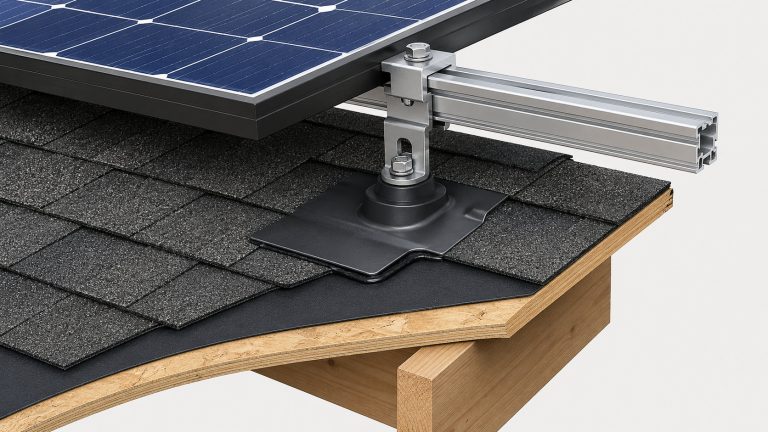
The roof is not the main topic here, but it can stop an upgrade fast. New panels need safe attachment points, workable access, and enough clean roof area to build a layout that makes sense.
Usable Roof Area
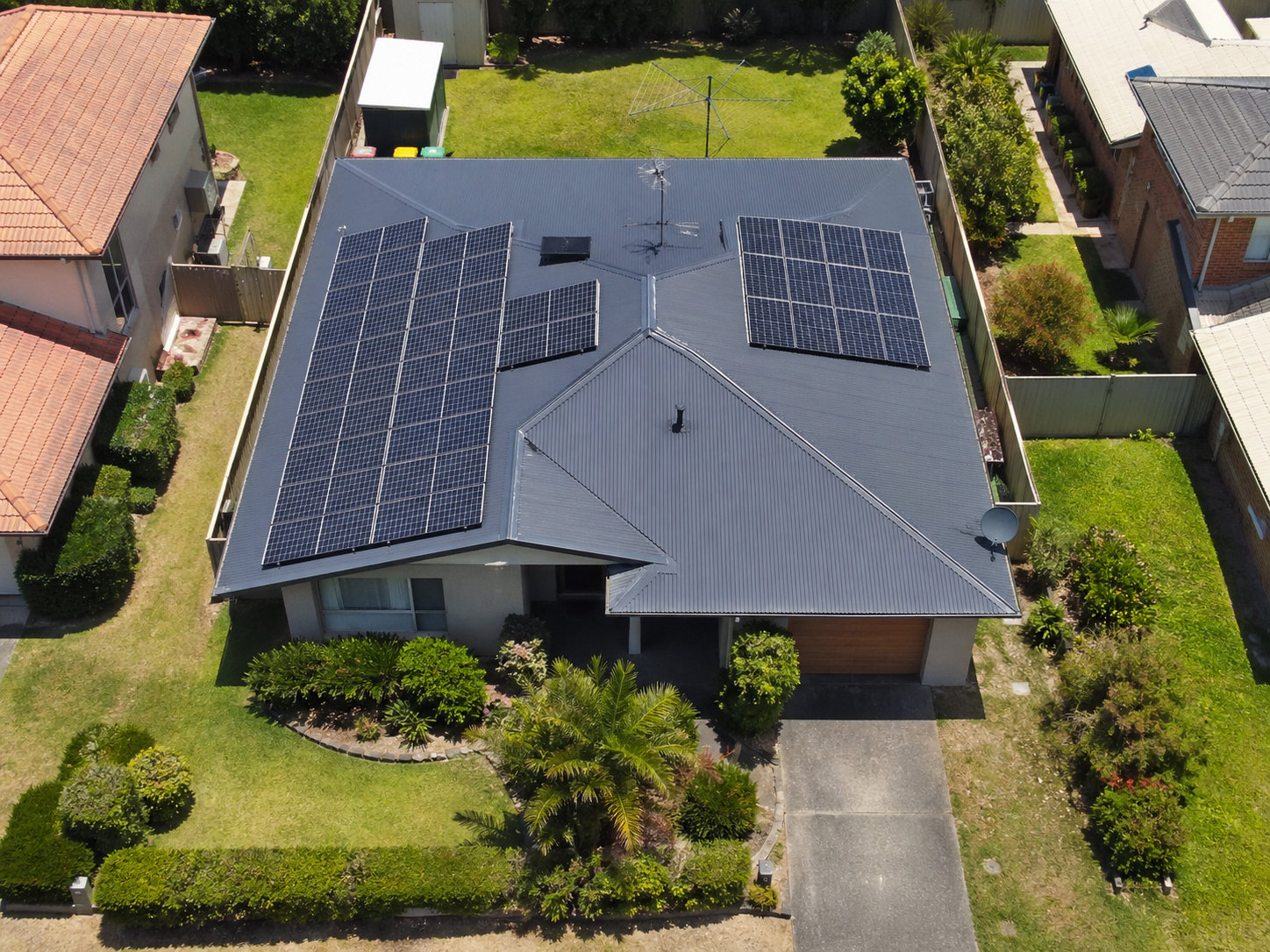
An open roof plane next to the existing array is the easiest situation. Vents, skylights, dormers, plumbing stacks, and chopped-up roof planes make the design harder. Sometimes they push the installer toward microinverters or a separate array.
Racking Compatibility
Old racking is not always easy to extend. Rails, clamps, flashings, and grounding parts may no longer be available. Mixing hardware casually is a bad idea, especially on a roof that has to stay watertight for years.
Matching Panel Layouts
Newer panels are often physically larger than older modules. Higher wattage looks good, but size can affect setbacks, wire routing, row alignment, and service access.
Roof Condition Context
If the upgrade needs new roof attachments, the installer should check for brittle shingles, worn flashing, soft decking, and prior leak signs. This is not a full roof replacement discussion, but bad roof conditions can turn a simple upgrade into a repair job.
Utility and Permit Limits
Having solar already does not mean every future change is automatically approved. Added capacity, inverter swaps, batteries, and export changes can all trigger permit, inspection, or utility review.
New Permit Requirements
Adding roof-mounted panels may require a building or electrical permit. The review may cover layout, attachment method, wiring, rapid shutdown, equipment labels, and one-line diagrams.
Utility Approval
If the system size changes, the utility may require an updated interconnection application. Do not assume the old approval covers the new system size.
Net Metering Limits
Some utilities treat expanded systems differently from original systems. A homeowner should ask whether the upgrade changes export limits, net metering treatment, or the approval process.
Inspection Requirements
Inspection issues often come from labels, rapid shutdown, wiring methods, inverter changes, battery equipment, and roof-mounted circuit work. A failed inspection can delay activation and add correction costs.
Practical Upgrade Paths
There is no single “best” upgrade path. The right choice depends on the current equipment, roof layout, age of the inverter, and what the homeowner wants the system to do.
| Upgrade Path | Best Fit | Main Risk |
|---|---|---|
| Add panels to existing inverter | Inverter has available capacity | DC input or MPPT limits exceeded |
| Add panels with microinverters | Modular expansion on available roof | Monitoring or branch-circuit compatibility |
| Replace inverter and expand | Old or undersized inverter | Higher scope and permitting |
| Replace older panels | Limited roof area or failing modules | Unnecessary replacement of working panels |
| Add battery only | Backup or time-of-use needs | Does not increase solar production |
| Build second system | Old system is hard to modify | Separate monitoring and utility review |
The lowest-friction path is usually the one that fits the existing design with the least forced compatibility. The cheapest-looking path on paper is not always the one that survives permitting, inspection, and commissioning.
Use Existing Inverter
This can work when the inverter has unused capacity and the new panels fit the voltage and current limits. It is usually the simplest route, but only after the inverter specs are checked.
Add New Microinverters
This can work well when the new panels are treated as a modular add-on. It may be useful when matching old string wiring is difficult. Monitoring and branch-circuit compatibility still need to be confirmed.
Replace the Inverter
Replacing the inverter may make sense when the old unit is near the end of its expected service life or cannot support expansion. It can also set the system up for batteries or better monitoring.
Replace Old Panels
Panel replacement makes the most sense when panels are failing, roof space is limited, or the electrical redesign justifies it. It makes less sense when the old panels are simply aging normally.
Add a Battery Only
A battery-only upgrade is useful for backup power or shifting solar use into evening hours. It is not a fix for a system that does not generate enough energy in the first place.
Build a Second System
A second system can be cleaner when the original array is old, maxed out, or hard to modify. The tradeoff is separate equipment, separate design work, and possibly separate monitoring.
Mistakes to Avoid
Solar upgrades go wrong when people treat the system like a box of interchangeable parts. Panels, inverters, batteries, racking, wiring, monitoring, permits, and utility rules all have to work together.
- Adding panels before checking inverter input limits.
- Mixing new and old panels without checking electrical compatibility.
- Replacing panels when the real issue is a failed inverter or monitoring fault.
- Assuming a battery will fix high annual usage without more production.
- Skipping permit or utility review because the home already has solar.
- Ignoring rapid shutdown and labeling requirements after equipment changes.
Buying Incompatible Panels
New panels may have different voltage, current, dimensions, and cell design. If the proposal does not explain why the new modules match the existing system, that is a red flag.
Skipping Inverter Checks
This can waste real money. A homeowner may pay for more panel capacity but get limited extra output if the inverter clips heavily or cannot accept the added input. In some cases, the design will not pass review.
Assuming More Panels Fix Faults
If the system has a failed component, more panels do not fix the failure. They just add cost around it. Diagnose first, expand second.
Ignoring Export Limits
Utility export limits can change the value of an upgrade. If the utility does not approve the larger system as proposed, the homeowner may face redesign, curtailment, or delayed activation.
Replacing Panels Too Early
Normal degradation is not failure. If the panels are still performing within a reasonable range, replacing them may throw away useful equipment life.
Confusing Electrical Upgrades
A solar panel upgrade is not the same as a main electrical panel upgrade. Sometimes both are needed, especially with batteries or larger systems, but they are separate scopes and should be priced that way.
Narrow Cost Context
This is not a full solar cost guide. Still, upgrade cost depends heavily on scope. A simple add-on using compatible equipment is a different job from a project that needs new electronics, new racking, a battery, utility review, and roof access work.
What Drives Upgrade Pricing
The main cost drivers are added modules, inverter work, racking, electrical labor, permitting, monitoring changes, battery equipment, and roof access. A steep or high roof can add labor even when the electrical work is straightforward.
Why Pricing Is Site-Specific
Two homes can add the same number of panels and have very different scopes. One may reuse the inverter and an open roof plane. The other may need new electronics, new racking, inspection corrections, and a utility application.
When Reuse Saves Money
Reusing inverter capacity, existing panels, racking sections, or monitoring equipment can reduce scope. Reuse only helps when the equipment is compatible, available, and acceptable under current requirements.
When a New System Is Cleaner
If the old system has discontinued hardware, poor monitoring, a maxed-out inverter, and no clean expansion area, a separate new system may be more practical than trying to force the old system to accept new parts.
Solar Upgrade Checklist
Before asking for quotes, gather the details a contractor needs. A good installer can do more with accurate photos and documents than with a vague request to “add more panels.”
- Current solar system size in kW.
- Panel brand, model, wattage, and installation year.
- Inverter brand, model, AC rating, and age.
- Last 12 months of utility usage.
- Recent monitoring production data.
- Reason for upgrading: more energy, backup, repair, or modernization.
Find Current System Size
The current system size gives the installer a starting point. It also helps compare the original design against the home’s current electric use.
Check Panel Details
Panel brand, model, and wattage matter. Photos of the module label, original plans, or installer paperwork can save time.
Check Inverter Details
The inverter nameplate is critical. It tells the contractor whether expansion may be possible without replacement.
Review 12 Months Usage
A full year of utility bills shows whether the home needs more production or just had a short-term usage spike.
Compare Expected Production
Actual production should be compared against expected production before expanding. An underperforming system should be diagnosed before new panels are added.
Define the Upgrade Goal
More daytime production, lower annual bills, outage backup, and equipment modernization are different goals. The quote should reflect the goal, not just the available roof space.
Ask About Utility Approval
Any proposal that increases system capacity should explain whether utility approval, interconnection revision, or inspection is required.
FAQ
Can solar panels be upgraded without replacing everything?
Yes. Many systems can be upgraded by adding panels, replacing the inverter, adding batteries, or improving monitoring. The existing inverter, panel compatibility, racking, roof layout, and utility approval decide how much can be reused.
Can I add new panels to old panels?
Yes, if the electrical specs work. The new panels must fit the inverter or microinverter limits, roof layout, racking method, and monitoring setup. Wattage alone is not enough.
Do I need a new inverter to add panels?
Not always. If the existing inverter has available input capacity and the new panels fit its voltage and current limits, it may be reused. If the inverter is old, full, or incompatible, replacement may be part of the upgrade.
Is replacing old panels better than adding more?
Only sometimes. If the old panels are still producing within a reasonable range, adding capacity or fixing a system issue may be better than replacing them. Replacement makes more sense when panels are failing, roof space is limited, or the redesign requires it.
Can a battery be added to existing solar?
Yes. Many existing solar systems can accept battery storage, especially with AC-coupled battery designs. The main limits are inverter compatibility, backed-up load selection, battery capacity, electrical panel configuration, and local code requirements.