Adding More Solar Panels Later: What Homeowners Need to Know
Quick Answer
Can solar panels be expanded later?
Yes, solar panels can often be expanded later, but only when the original system leaves room for it. That means room on the roof, room in the inverter or microinverter branch circuits, room in the electrical panel, and room in the approved utility design. As a rough planning benchmark, four newer residential panels often add about 1.6 to 1.84 kW DC, assuming panels in the 400 to 460 watt range. But roof space by itself does not make a solar system expandable. The real decision is whether to install the larger system now or pay for a smaller system that is deliberately designed for a clean second phase.
The three biggest limits
The first limits to check are inverter capacity, usable roof layout, and approval requirements. If one of those is already maxed out, expansion may still be possible, but it stops being a simple add-on.
Confirm expandability before installation
The right time to plan expansion is before the first system is installed. Once the racking, conduit, inverter, and roof layout are set, the future project has to work around those choices.
What Expansion Means
Adding panels to the same inverter
This is the cleanest version of a solar expansion. The existing inverter has enough usable capacity, the new panels match the electrical design, and the installer updates the plans and utility paperwork as needed.
That is the ideal case. It is not the default case.
Many systems are already designed close to their practical inverter limit. A homeowner may look at the inverter rating and assume there is extra room because the panel wattage is higher than the inverter’s AC rating. That can be misleading. Many grid-tied systems are designed with a DC-to-AC ratio around 1.2 to 1.3. In plain terms, the panel array is intentionally larger than the inverter’s AC output. That does not automatically mean the system can take more panels.
Adding panels with microinverters
Microinverter systems are usually easier to expand in small steps. Each panel has its own inverter, so the system is less dependent on one large central inverter. That helps when a homeowner wants to add four, six, or eight panels later.
But microinverters are not magic. The AC branch circuit has a maximum number of microinverters it can support. Some Enphase IQ8 branch circuits at 240 volts, for example, have model-specific limits such as 16 IQ8 units, 13 IQ8+ units, 11 IQ8M units, 11 IQ8A units, or 10 IQ8H units. The exact number depends on the equipment. The point is simple: even a flexible system has hard limits.
Adding a second inverter
If the original inverter is full, incompatible, or poorly placed for the add-on, the expansion may need a second inverter or a separate branch circuit. That can be a perfectly valid design. It is also more involved than clipping a few extra panels onto the roof.
This is where homeowners get caught off guard. A small add-on can still require design work, plan revisions, permitting, utility review, inspection, roof access, and electrical labor. Small does not always mean simple.
Expanding production versus storage
Adding panels increases solar production. Adding a battery changes when that power can be used. Those are related decisions, but they are not the same project.
A solar system can be battery-ready and still have no easy path for more panels. The reverse is also true. A system can have room for more panels but still need separate design work before a battery makes sense. For this article, the important question is whether the roof-mounted production system can grow without being rebuilt.
Parts That Control Expansion
Inverter capacity
The inverter is usually the first real checkpoint. A string inverter has limits for voltage, current, input capacity, and usable operating range. A microinverter has module compatibility rules and branch circuit limits. An optimizer system has its own pairing rules, string limits, and inverter capacity limits.
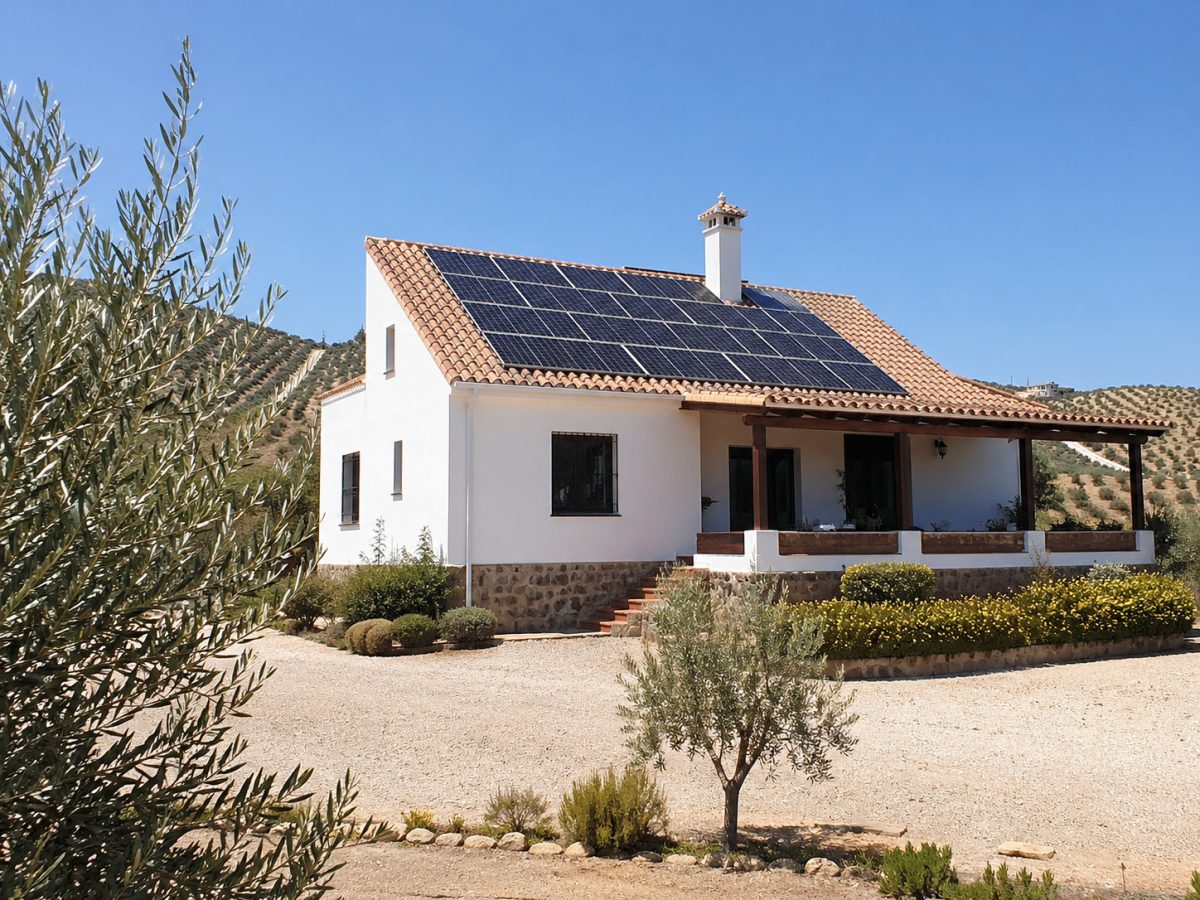
Most people start with the roof. Contractors start with the equipment. Open roof space is useful only if the inverter, wiring, breaker space, code requirements, and utility approval can support what goes there.
Microinverter branch limits
Microinverters make staged expansion easier, but each branch circuit has a ceiling. Once that ceiling is reached, adding panels may require another branch circuit, a new breaker, more conduit, and sometimes panelboard work.
That does not make microinverters a bad choice. In many cases, they are the better choice for future growth. But the installer should be able to show exactly how many more panels the current branch layout can accept. “Expandable later” is not a design detail. It is a sales phrase unless the numbers are shown.
String inverter matching
String inverter systems can be expanded, but they are less forgiving when new panels are added years later. Voltage, current, wattage, shade exposure, and roof orientation all matter. If the original module is no longer available, the replacement panel has to be checked against the old string design.
Sometimes the best answer is not to mix the old and new panels. The cleaner fix may be a separate string, separate electronics, or a second inverter. That can cost more, but it avoids forcing mismatched equipment into one electrical design.
Racking and roof zones
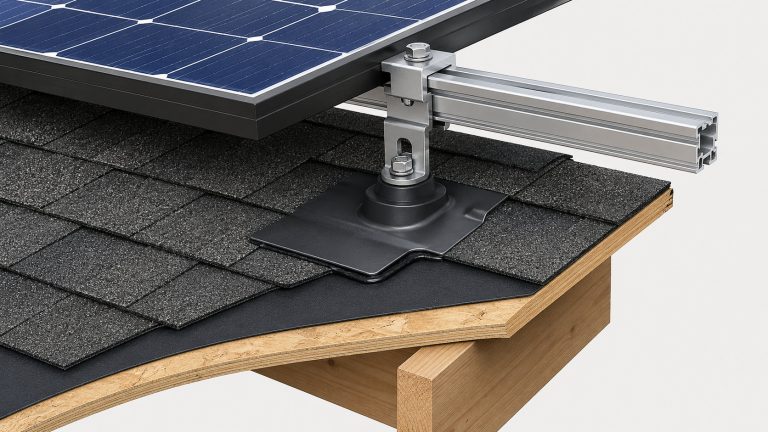
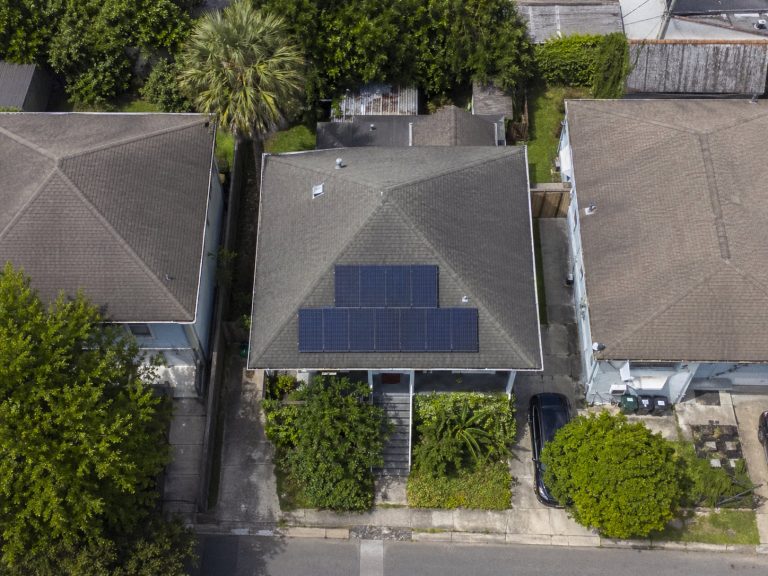
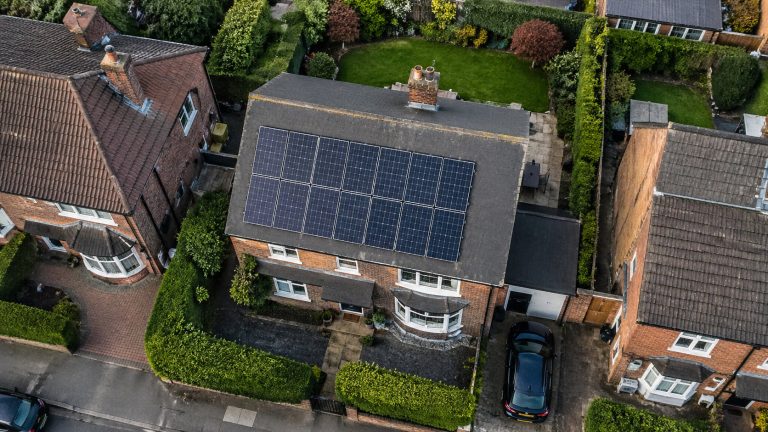
Racking layout decides whether the roof can accept a second phase cleanly. A first installation can accidentally block future expansion by using the easiest attachment zones, crowding vents, or leaving only awkward scraps of roof around hips, valleys, skylights, and plumbing stacks.
Fire access rules matter too. A roof can look open from the driveway and still be unavailable for panels because access pathways, ridge setbacks, or ventilation areas must stay clear. That is not a design preference. It can be a permit and inspection issue.
Electrical panel capacity
The main electrical panel can also become the bottleneck. The roof may work. The inverter may work. The panelboard still may not have the breaker space, backfeed allowance, or clean routing needed for the extra solar circuit.
That is why an expansion-ready proposal should show more than panel count. It should show the future electrical path.
How Much Power Adds Up
Four panels: 1.6 to 1.84 kW
Using a practical planning range of 400 to 460 watts per panel, four added panels would usually add about 1.6 to 1.84 kW DC. That is enough to matter, especially on a home with rising electricity use.
It may not be enough to justify a messy add-on if the project also needs a new branch circuit, updated plans, utility review, and inspection. The smaller the expansion, the more the fixed project overhead matters.
Six panels: 2.4 to 2.76 kW
Six panels in that same wattage range would typically add about 2.4 to 2.76 kW DC. That starts to become a more meaningful expansion, especially for a homeowner planning for an EV charger, heat pump, electric water heater, pool equipment, or a home addition.
Added kW is not added savings
Nameplate capacity is not the same as bill savings. The new panels may sit on a weaker roof plane, face a different direction, or produce less because of shade. They may also hit inverter limits during strong sun if the inverter was already tightly sized.
This is where the estimate needs to separate capacity from production. Added kW tells you the system size. It does not tell you the annual kWh gain by itself.
Future loads change the target
A good expansion plan starts with the future load. Not with the number of empty roof rectangles.
EV charging, heat pumps, workshops, electric cooking, pools, and additions can all change the right system size. If any of those are likely in the next few years, the original solar design should account for them.
| Future change | Expansion impact | Design issue to check |
|---|---|---|
| EV charging | May require several added panels | Roof space and inverter headroom |
| Heat pump | Raises winter and shoulder-season use | Annual production estimate, not just summer output |
| Pool equipment | Can add daytime electrical load | Panel orientation and seasonal production |
| Home addition | May change total load calculation | Utility interconnection size and panel capacity |
The practical takeaway: design around the load you expect to have, not only the utility bill you have today.
Mixing New and Old Panels
Electrical compatibility comes first
New panels can sometimes be mixed with old panels. Sometimes they should not be. The deciding factors are electrical, not cosmetic.
The installer has to check voltage, current, wattage, connector type, inverter compatibility, optimizer compatibility, and microinverter input limits. A new panel that looks similar on the roof may still be wrong for the existing equipment.
Older panels produce less
Solar modules lose output slowly over time. A typical industry range is about 0.5% to 1% per year. After several years, the old array and the new panels may not produce at the same level.
With string inverters, that mismatch can matter more. With microinverters or optimizers, it is often easier to manage, but the equipment still has to be approved for the module being installed.
When mismatch is acceptable
Mismatch is usually easier to handle when each panel has module-level electronics. Microinverters and optimizers can give the designer more flexibility when adding a newer, higher-wattage panel to an older system.
That still does not remove the need for a compatibility check. The installer should verify the actual model numbers, not just the brand.
When to separate the array
A separate string, separate inverter, or separate branch circuit may be the better choice when the new panels are very different from the old panels, sit on a different roof plane, or exceed the original equipment limits.
Separation can add cost. It can also prevent nuisance problems, failed inspections, and warranty arguments later.
Field note: when I review an expansion request, I do not start by counting empty roof space. I start with the inverter model, panel model, branch layout, one-line diagram, and permit set. Those documents tell you whether the project is a clean add-on or a redesign being dressed up as one.
String vs Microinverter Expansion
String inverter expansion
A string inverter expansion works best when spare capacity was planned from day one. If the inverter has usable input room and the new panels can be matched correctly, the add-on may be straightforward.
If the inverter is already full, the options narrow fast. The project may need a second inverter, a new design, or a separate array.
Microinverter expansion
Microinverters are often better for phased growth. They let each panel convert power on its own, which helps when the future add-on is only a small group of panels.
The limit is still real. Branch circuits have maximum equipment counts, and the AC wiring has to be designed for the added load. A microinverter system is flexible. It is not endless.
Optimizer systems
Optimizer systems sit between basic string systems and microinverter systems. They can manage panel-level differences better than a simple string inverter, but they still follow manufacturer limits for optimizer pairing, string length, voltage, and inverter capacity.
Best setup for future growth
| System type | Expansion strength | Main limitation | Best use case |
|---|---|---|---|
| String inverter | Efficient when pre-planned | Panel matching and inverter capacity | One large clean roof plane |
| Microinverters | Flexible small add-ons | Branch circuit maximums | Staged panel additions |
| Optimizers | Good panel-level control | Brand and design rules | Mixed roof planes or partial shading |
No system type wins every time. The best option is the one with a documented future path: usable roof area, verified electrical capacity, and equipment that can still be supported later.
Plan Before Installing
Show the future panel count
Ask the installer to show the future panel count on the roof plan. Not as a casual promise. On the drawing.
The layout should account for vents, skylights, hips, valleys, setbacks, access pathways, and realistic panel dimensions. If the future panels only exist in conversation, they do not exist in the design.
Check inverter room
The proposal should say whether the inverter is sized only for the first phase or selected with expansion in mind. If the system uses microinverters, the installer should explain how many units can be added before another branch circuit is needed.
Reserve good roof space
Do not leave the worst roof area for later and expect the expansion to perform like the first array. If the future load matters, the future roof space has to be worth using.
Clean, sunny, rectangular roof sections are valuable. Treat them that way.
Save every system document
Keep the panel model numbers, inverter or microinverter model, racking layout, permits, inspection records, utility approval, and one-line diagram. If another contractor handles the expansion years later, those documents save time and reduce guesswork.
Confirm the redesign risk
The installer should be able to tell you what would turn the future expansion into a redesign. Common triggers include a second inverter, another branch circuit, a panelboard limitation, a fire pathway conflict, or a utility system-size limit.
- Ask for the current and future roof layout on one drawing.
- Ask whether the inverter or branch circuit has spare capacity.
- Ask what happens if the original panel model is discontinued.
- Ask whether the future phase needs a permit or utility update.
- Ask what electrical work is required for the next four to six panels.
When Expanding Later Makes Sense
Future electricity use will rise
Expansion makes sense when there is a real reason to expect higher electrical use. EV charging, heat pumps, induction cooking, electric water heating, pool equipment, workshops, and additions can all change the load.
If those changes are realistic but not immediate, a staged design can be a smart compromise.
Budget favors staged growth
Some homeowners want solar now but cannot justify the full future system on day one. That is reasonable. The key is to avoid buying a small system that blocks the next phase.
A smaller first phase can work well when the expansion path is built into the design.
The roof has clean open space
Expansion is more practical when the remaining roof space is sunny, accessible, and large enough for normal panel rows. Small leftover patches around vents and roof edges are harder to use. They may also produce less.
Utility rules still work
Adding panels can change the approved system size. That may require an updated utility application and permission before the new panels can operate.
Local export rules also matter. If net metering or compensation rules change, the future expansion may not pencil out the same way the original system did.
When Expansion May Backfire
No roof or inverter room
If the first system uses all usable roof area and fills the inverter or branch circuits, expansion gets expensive. At that point, the project may need new equipment instead of just more panels.
Old panels are hard to match
Panel models change. A system installed today may not have identical matching panels available several years from now. That does not make expansion impossible, but it does mean the future design may need different equipment or a separate array.
Approvals still apply
Small add-ons can still need revised plans, inspection, and utility approval. Typical field timing varies by jurisdiction and utility. Some inspections happen within a few business days. Permission-to-operate can take longer, especially when paperwork is incomplete or the utility review is backed up.
Small add-ons have overhead
A four-panel expansion can still carry the same categories of overhead as a larger job: design, permit work, roof access, electrical labor, inspection, and utility paperwork. That is why very small add-ons sometimes feel expensive for the amount of wattage gained.
| Expectation | Reality | What to verify |
|---|---|---|
| Unused roof means easy expansion | Setbacks and electrical limits may block it | Roof plan and inverter specs |
| A few panels need little paperwork | Permits and utility approval may still apply | AHJ and utility requirements |
| New panels can match old panels | Models and electrical specs may differ | Panel and electronics compatibility |
| Microinverters make expansion unlimited | Branch circuits have maximum unit counts | Manufacturer branch limits |
The takeaway is blunt: expansion is easiest when it is planned as a second phase. It gets harder when it is treated like a patch.
Install More Now or Later?
Install more now when likely
If the future load is very likely, installing more capacity during the first project may avoid duplicate design work, roof access, permitting, and mobilization. This is especially true when the roof has one clean layout opportunity.
Once that clean roof plane is chopped up by the first design, it may be harder to use later.
Plan expansion when uncertain
If the future load is possible but not guaranteed, an expansion-ready design may be the best middle ground. The system does not have to be oversized today, but it should leave a known route for the next phase.
Avoid bare-minimum design
A bare-minimum system can look good in a quote comparison. It may also leave no usable path for growth.
The financial risk shows up later: second inverter, new branch circuit, panelboard work, redesigned plans, or a lower-producing add-on because the best roof area is already gone.
Ask for two designs
Ask for one design based on today’s usage and another that shows the future expansion path. That comparison is more useful than price alone.
It shows whether the first system protects your options or consumes them.
Risks and Mistakes
Assuming every system expands
This mistake happens because solar looks modular. Panels sit in rows, so it feels like more rows can be added later. Sometimes they can. Sometimes the electrical design says no.
The financial risk is paying for a system that cannot grow without major redesign.
Choosing the cheapest inverter
A cheaper inverter may be fine for today’s system. It may also leave no headroom for tomorrow’s load.
If future growth is likely, the quote should explain what the inverter can support later. Otherwise, the savings today may come back as a second equipment purchase.
Using the best roof area
The first layout often uses the best roof area because that maximizes today’s production. That makes sense unless the homeowner expects to expand.
If phase two is likely, the layout should not leave only shaded scraps and awkward roof corners for the future.
Ignoring utility approval
Grid-tied solar is an approved electrical system, not just hardware on a roof. The utility approved a certain size and configuration. Adding more capacity can trigger another review.
Skipping that step can create inspection problems, utility issues, or delays before the added panels can legally operate.
Losing system documents
Missing documents make the next contractor rebuild the story from scratch. That takes time. It also creates uncertainty, and uncertainty usually shows up in the quote.
| Mistake | Why it happens | Possible financial result |
|---|---|---|
| No inverter capacity check | Homeowner focuses only on roof space | Second inverter or redesign |
| No future layout | Proposal only solves today’s bill | Lower-producing add-on later |
| No model documentation | Paperwork not saved after installation | Extra design and verification time |
| No permit/PTO planning | Small add-on assumed to be simple | Delay before system can operate |
The main risk is not that solar panels are hard to add. The risk is that the first design leaves no sensible place to add them.
Expansion-Ready Checklist
Maximum panel count
The installer should identify the maximum realistic panel count for the current system and the future phase. That number should reflect roof layout, fire access, inverter capacity, and electrical limits.
New inverter requirements
Ask whether the future expansion would require a new inverter, a second inverter, another microinverter branch, or only added panels and racking. That answer tells you whether the future work is simple or expensive.
Electrical panel room
Confirm whether the main electrical panel has the capacity and space for future solar equipment. If not, the expansion may involve more electrical work than expected.
Reserved roof areas
The reserved roof area should be worth building on. Empty does not always mean useful. Shade, obstructions, setbacks, and awkward shape can make a roof area poor expansion territory.
Future paperwork scope
Ask what paperwork is likely later: revised plans, permit application, inspection, utility interconnection update, and permission-to-operate. The exact local process may change, but the categories should not be a mystery.
FAQ
Can I add solar panels to my existing system?
Yes, if the existing system has room electrically and physically. The installer needs to verify inverter or branch capacity, roof layout, panel compatibility, permit requirements, and utility approval before calling it a simple add-on.
Is it cheaper to add panels now or later?
Often, adding likely future capacity during the first installation is more efficient because the design, roof access, permitting, and labor are already happening. Adding later can still make sense, but very small add-ons may carry more overhead than homeowners expect.
Can I expand a string inverter system?
Sometimes. The inverter must have usable capacity, and the new panels must fit the voltage, current, and string design requirements. If the inverter is full or the old panels are hard to match, the expansion may need separate equipment.
Are microinverters better for expansion?
They are often better for staged expansion because each panel has its own inverter. The limit is the branch circuit. Each microinverter model has a maximum allowed count per branch, so the installed equipment still has to be checked.
Will expansion need a new permit?
In many cases, yes. Adding panels changes the approved system design. Revised plans, inspection, and utility permission-to-operate may be required, depending on the local authority and utility.