Can Solar Panels Damage Your Roof?
Quick Answer
Solar panels usually do not ruin a roof. A bad installation can. So can putting panels over a roof that is already worn out, leaking, soft, or poorly flashed. The panel is not the weak point. The roof penetrations, mounts, flashing, cable paths, and existing roof condition are where the trouble starts. A typical roof-mounted solar array adds roughly 3 pounds per square foot of dead load, while some ballasted flat-roof systems can be closer to 4 to 6 pounds per square foot. That is normally acceptable on a sound roof, but it is not something to ignore on an older or questionable structure. The real decision is not “Will solar ruin my roof?” It is “Is this roof ready to have solar attached to it and still stay watertight?”
The Real Answer
In the field, solar panels themselves are rarely the thing that damages a roof. The problems I see come from rushed mounting work, poor flashing, weak roof surfaces, unclear warranty language, or a roof that should have been repaired before anyone installed a single panel.
A solar array is not a temporary accessory. Once it is on the roof, it may sit there for years. That means the roof below it has to be worth building on. If the shingles are brittle, the tile is cracked, the membrane is ponding water, or the attic already shows stains, solar will not make those problems disappear. It may make them harder to reach.
A proper solar installation treats the roof as part of the system. The mounts need solid attachment. The penetrations need correct flashing. The cable routes need to stay watertight. The installer should be able to explain, plainly, what happens if a leak shows up later.
Why the Myth Exists
The myth exists because rooftop solar does touch the roof. On many asphalt shingle roofs, the racking system is fastened through the roof covering into framing or another approved structural support. That creates penetrations. Penetrations are not automatically a problem, but sloppy penetrations are.
Homeowners also hear about people paying to remove panels before roof repairs. That part is real. But it does not always mean the solar caused the roof failure. Often, the roof was already aging or close to replacement. Once solar is in the way, the repair becomes more complicated. A practical benchmark for a residential detach-and-reset job is often around $1,500 to $6,000, depending on system size, roof pitch, access, and local labor.
What Proper Installation Looks Like
A good installation starts before the crew climbs the ladder. Someone should look at the roof condition, the roof material, the attic if accessible, old leak signs, and the areas where the array will sit. On shingle roofs, flashing should be worked into the shingle course so water still sheds downhill. Pilot holes should be sealed. Fasteners should land where they are supposed to land, not wherever it is fastest to drive them.
Standing seam metal roofs may allow clamp-style attachments without penetrating the roof covering. That can reduce leak risk, but it does not remove the need for structural review. Flat roofs need a different kind of care: membrane protection, drainage, ballast, and preventing abrasion.
When Solar Becomes a Roof Problem
Solar becomes a roof problem when nobody owns the roof risk. The solar company says the roof was already bad. The roofer says the panels caused the leak. The homeowner is stuck between two trades.
Most warning signs are visible before the job starts: curling shingles, cracked tiles, soft decking, patched leaks, sagging roof planes, ponding water, worn underlayment, or stains in the attic. None of those automatically means solar is impossible. But they do mean the roof needs attention before the array goes on.
Do Panels Damage Roof Materials?
Solar can work on many roof types, but every roof material has its own weak spot. The important question is not just whether panels can be installed. It is whether the mounting method protects the roof’s waterproofing layer.
| Roof type | Typical suitability | Main roof risk | Service difficulty |
|---|---|---|---|
| Asphalt shingle | Common and usually workable if the roof is in good shape | Poor flashing around penetrations | Medium |
| Standing seam metal | Often a strong candidate | Clamp compatibility and structural capacity | Low to medium |
| Tile | Possible, but less forgiving | Broken tiles and weak waterproofing transitions | High |
| Flat membrane | Depends heavily on membrane condition and drainage | Punctures, abrasion, ballast load, ponding water | Medium to high |
The takeaway is simple. Roof type matters, but installer experience with that exact roof type matters more. A crew that does clean work on asphalt shingles may not be the crew you want walking across fragile clay tile or working on a membrane roof.
Asphalt Shingle Roofs
Asphalt shingle roofs are common for residential solar. They usually handle solar well when the shingles are sound, flat, and not near failure. The main risk is the mount detail, not the shingle by itself.
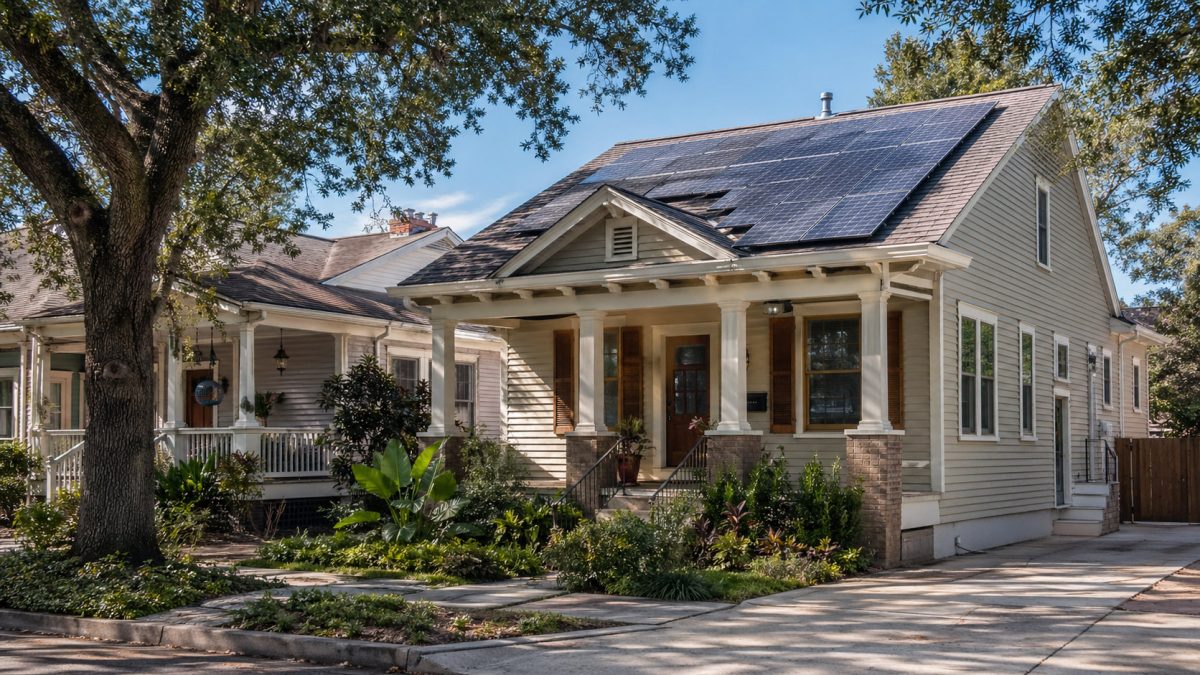
As a practical benchmark, 3-tab asphalt shingles are often discussed around a 20-year service life, while many architectural asphalt shingles are often closer to 30 years in better conditions. Climate, ventilation, installation quality, storm exposure, and maintenance can move those numbers. If the roof only has a few good years left, solar may still work technically, but the timing is bad.
Tile Roofs
Tile roofs need a careful crew. Tiles can crack under foot traffic, and a cracked tile is not always obvious from the ground. The real waterproofing layer may sit below the tile, so simply replacing a broken tile is not the whole story.
An installer working on tile should be able to explain how they walk the roof, how they handle broken tiles, how they mount without crushing the roof system, and how they protect the underlayment. If the answer is vague, that is a red flag.
Metal Roofs
Standing seam metal roofs can be excellent solar candidates because some systems clamp to the seams instead of drilling through the roof covering. Fewer penetrations usually means fewer leak opportunities.
That said, “metal roof” is not one category. Seam shape, seam strength, panel spacing, roof age, wind exposure, and clamp compatibility all matter. Exposed-fastener metal roofs are a different conversation because the roof already depends on many fastener seals.
Flat Roofs
Flat roofs are more about membrane protection than shingle flashing. Fully adhered TPO and similar membranes can work well when they are in good condition. Roofs with loose ballast, river rock, old membrane, or drainage problems need more caution.
Ballasted systems may reduce penetrations, but they add weight. Attached systems may reduce ballast, but they introduce roof interface points. Neither option is automatically safer. The roof condition, drainage, and design details decide that.
Can Solar Cause Leaks?
Yes. Solar can be connected to roof leaks. But the leak is usually not because a panel is sitting above the roof. The leak usually comes from a penetration, flashing detail, cable route, damaged roof material, or an existing roof issue that was missed.
Leaks can show up right away after heavy rain, or they can show up later after thermal movement, wind, snowmelt, or sealant aging. Water also travels. The stain on the ceiling may not be directly below the bad mount.
Poor Flashing Is the Main Risk
Flashing is what keeps water moving where it belongs. On shingle roofs, that means the flashing has to work with the shingle courses, not fight them. Surface caulk alone is not a long-term waterproofing plan.
A good mount is not just tightened down. It is placed correctly, sealed correctly, flashed correctly, and fastened correctly. Miss one of those steps and the roof may still look fine on day one, then fail later.
Attachment Points Must Be Sealed
Residential systems can have many attachment points. The exact number depends on wind zone, snow load, module layout, rafter spacing, roof shape, and the racking product. A fixed national number would be misleading.
The practical point is that every attachment is a roof detail. Pilot holes typically need compatible sealant. Flashing needs correct placement. Washers need the right compression. Too loose can leak. Too tight can deform parts. Fastening into the wrong substrate can create both leak and structural problems.
How Installers Waterproof Mounts
On asphalt shingles, a typical safe method is to locate the structural target, drill the pilot hole, seal the hole, slide the flashing under the upper shingle course, and fasten the mount so the assembly sheds water correctly. The exact steps depend on the product, so the manufacturer’s installation instructions matter.
Metal, tile, and flat roofs require different methods. A standing seam clamp is not the same as a tile hook. A membrane roof pad is not the same as shingle flashing. This is why “we install solar on roofs all the time” is not enough. The question is whether they install solar correctly on your roof type.
Field note: when roof-solar disputes get messy, the problem is often not just the leak. It is the missing paper trail. No clear flashing product. No clear attachment method. No clear roof penetration warranty. If nobody can explain how water is kept out, the homeowner is carrying too much risk.
Warning Signs of a Leak
Solar-related leaks are not always dramatic. Sometimes it is a small ceiling stain after a storm. Sometimes it is damp attic insulation. Sometimes it is a musty smell that was not there before. Do not ignore those signs.
- New ceiling stains after the solar installation
- Damp insulation below or near the array area
- Water marks along rafters or roof penetrations
- Cracked, missing, or shifted shingles or tiles near mounts
- Leaks that only appear during wind-driven rain
Do not pull panels off yourself to investigate. There are electrical risks, and disturbing the array can make it harder to prove what caused the leak.
How Much Weight Is Added?
Weight is usually not the main reason a solar roof job goes wrong, but it still needs to be checked. A practical industry range for many attached PV systems is about 3 pounds per square foot of collector-area dead load. Ballasted systems on flat roofs can be closer to 4 to 6 pounds per square foot. Some simplified permit pathways use limits around 4 pounds per square foot and point-load limits around 50 pounds, though the exact rules depend on the jurisdiction and design path.
Typical Load: 3 Pounds Per Square Foot
On a healthy roof, that added load is usually manageable. On a questionable roof, it deserves more attention. Older framing, prior water damage, sagging planes, heavy snow areas, or unusual remodel history can change the risk.
This is not a homeowner math project. The installer, engineer, or permit reviewer should confirm that the roof structure fits the design. A quick “it should be fine” is not enough if the roof already looks stressed.
Structure Matters More Than Panels
The same solar array can be low risk on one house and a poor choice on another. A straight, dry, well-framed roof is different from a roof with soft decking, old leaks, cracked rafters, or multiple roofing layers.
That is why roof condition belongs early in the solar conversation. Once the system is installed, discovering a structural or decking problem becomes more expensive and more disruptive.
When to Get an Engineer
Bring in an engineer or qualified structural reviewer when the roof is old, visibly sagging, unusually framed, flat and ballasted, in a heavy snow area, or flagged during permitting. Complex roof shapes and steep access can also justify a closer look.
This is not overkill. It is cheaper to verify the roof before installation than to argue about a failure after installation.
The Biggest Roof Risk
The biggest roof risk is not solar weight. It is installing panels on a roof that is already close to needing major work. If the roof is too old or too damaged, this is a bad idea.
Solar Can Outlast the Roof
A solar array can stay in place for a long time. If the roof covering underneath it has only a short service life left, the homeowner may need roof work while the solar system is still perfectly usable.
That is where the surprise cost appears. The panels, racking, and wiring may need to be removed before the roofer can do the job. Then the system has to be reinstalled and tested.
Asphalt Roof Lifespan Matters
A 15-year-old roof is not automatically a deal-breaker. A 15-year-old roof with curling shingles, missing granules, leaks, or soft decking is a different story.
Ask the installer how they judged remaining roof life. Ask what happens if the roof needs work in five years. If the answer is vague, you do not have enough information to compare quotes fairly.
When Replacement Makes Sense
Roof replacement before solar makes sense when the roof has active leaks, widespread shingle failure, damaged decking, failing underlayment, or known repair needs. It may also make sense if the homeowner already planned to replace the roof soon.
This does not mean every solar project needs a new roof. It means a weak roof should not be covered with equipment and treated as someone else’s future problem.
Removal Can Cost $1,500–$6,000+
A residential detach-and-reset job commonly falls around $1,500 to $6,000 as a service benchmark. Some removal-only work may be priced around $200 to $500 per panel, and labor in many markets can land around $75 to $150 per hour. The actual number depends on system size, roof difficulty, access, storage, wiring, and local rates.
This is not the cost of buying solar. It is the cost of getting back to the roof after solar is already installed. The work may include shutting the system down, disconnecting wiring, labeling panels, removing racking, storing equipment, reinstalling everything, checking the roof attachments, and testing the system again.
| Scenario | Typical cost range | Main cost drivers |
|---|---|---|
| Temporary detach and reset | $1,500–$6,000 | Panel count, pitch, access, wiring, racking complexity |
| Panel removal only | $200–$500 per panel | Labor, system size, roof difficulty, storage needs |
| Basic removal project | $1,000–$3,500 | Scope, location, crew type, electrical disconnect |
| Roof repair after removal | $300–$1,000+ | Flashing, patching, membrane repair, decking damage |
The cleaner move is obvious: if the roof is questionable now, deal with it before panels cover it.
Can Panels Protect the Roof?
Solar panels can shield the covered part of a roof from some sun and direct weather. That can slow exposure in that specific area. But it is not a roof repair strategy.
Less Direct Sun Exposure
Panels create shade over the roof area below them. That may reduce UV exposure and heat cycling on that section of roofing.
But the protection is uneven. Valleys, roof edges, uncovered slopes, flashing areas, vents, and everything outside the array still age normally. A roof does not become young again because panels cover part of it.
Some Weather Shielding
Panels may block some rain, small hail, and debris from the roof area directly underneath. That sounds helpful, and sometimes it is.
But water still moves under and around the array. Wind-driven rain still exists. Drainage still matters. If the mount is poorly flashed, the panel above it does not save the roof.
Protection Is Limited
Do not let anyone sell “roof protection” as a reason to ignore roof condition. Solar panels are energy equipment attached to a roof. Any protection they provide is partial and incidental.
A failing roof is still a failing roof. Covering part of it with panels may delay visibility, not failure.
Is Your Roof Safe for Solar?
A roof is usually a reasonable solar candidate when it is dry, structurally sound, has no active leaks, and has enough remaining service life to justify the installation. The decision should be based on condition, not just age.
Good Candidate Signs
A good candidate roof has intact shingles, tiles, metal panels, or membrane. No active leaks. No obvious sagging. No soft decking. No fresh attic staining below the planned array area.
The mounting method should also match the roof material. A generic racking plan is not enough for tile, standing seam metal, or membrane roofs.
Needs More Review
Some roofs are not automatic no’s, but they need a closer look. Old stains, prior leak repairs, brittle shingles, cracked tiles, ponding water, uneven roof planes, or multiple roof layers all fall into that category.
For buyers looking at a house with existing solar, ask the same questions. When was the roof installed? Who installed the solar? Are there roof leak records? What warranties transfer? Solar on the roof does not prove the roof is healthy.
Repair First Conditions
Repair comes first when flashing is damaged, decking is soft, underlayment is compromised, shingles are missing, or leaks are active. Solar should not be used to cover known defects.
If panels are already installed, the repair may require both trades. The roofer handles the roof system. The solar contractor handles shutdown, removal, reinstallation, and testing.
Poor Candidate Signs
A poor candidate roof is already due for replacement, visibly damaged, structurally questionable, or too fragile for safe access without a special plan. On tile roofs, widespread broken tile is a warning. On flat roofs, chronic ponding or membrane damage is a warning. On shingle roofs, curling, heavy granule loss, and recurring leaks are warnings.
Push ahead anyway, and the homeowner may end up paying for roof repair, panel removal, reinstallation, and a warranty argument.
How to Avoid Roof Damage
A solar quote should answer roof questions, not dodge them. System size and monthly payment are not enough. If the roof interface is weak, the deal is weak.
Ask About Roof Inspection
Ask what the installer checks before final design: shingles, flashing, decking concerns, attic leak signs, roof penetrations, roof age, roof type, and access issues. A solar company is not always doing a full roofing inspection, but they should have a clear roof-readiness process.
If the roof is older or questionable, get a roofer involved before signing. That extra step can prevent a much larger bill later.
Confirm Repair Responsibility
The contract should say who handles roof issues before installation and who handles leaks tied to solar penetrations after installation. Do not rely on a friendly verbal answer.
Roofing warranties and solar workmanship warranties cover different things. Some roofing coverage may exclude damage caused by non-roofing components such as solar mounts, racking, or installer work. That makes written solar warranty language important.
Require Warranty Terms
Ask for roof penetration coverage in writing. You want the term, the covered items, the exclusions, and the claim process.
Also ask what happens if a roofer needs access under the array. Some roofers will not work under panels unless the system is removed or made safe by a qualified solar contractor.
Ask About Attachment Points
The installer should be able to name the mounting product, describe the flashing method, and explain where the system attaches. You do not need to be an engineer to spot a vague answer.
A useful answer includes roof type, flashing approach, attachment method, sealant compatibility, and warranty responsibility. “We do this all the time” is not a technical answer.
Check Roof-Type Experience
Roof-type experience matters. Tile, metal, and flat membrane roofs punish guesswork. Ask for similar job examples. Ask how the crew prevents tile breakage. Ask how they protect a membrane. Ask how they handle standing seam clamps.
Steep or complex roofs deserve the same attention. Difficult access raises labor time and damage risk. Rushed roof work is where small mistakes turn into expensive ones.
Risks, Mistakes, and Limits
The expensive mistakes are predictable. They happen when the homeowner compares only the solar price and skips the roof details.
Mistake: Assuming Solar Fixes Roofs
Solar does not fix worn shingles, bad flashing, soft decking, or failing underlayment. It may shade part of the roof. That is not the same as repairing it.
The financial risk is simple: pay for solar now, then pay again later to remove panels, fix the roof, and reinstall the system.
Mistake: Ignoring Small Leaks
A small leak before solar is not a small detail. It is a warning. Once the array is installed, diagnosis may require both a roofer and a solar contractor.
Left alone, a small leak can turn into wet insulation, stained drywall, mold concerns, or rotted decking. Fix it before the panels go on.
Mistake: Choosing the Lowest Bid
The lowest bid can be fine if the roof work is solid. The problem is a low bid that skips roof review, vague warranties, tile handling, difficult access, or future removal terms.
That sounds cheaper upfront, but it often backfires. One leak repair or detach-and-reset bill can wipe out the savings.
Mistake: Not Clarifying Responsibility
Many roof-solar disputes come down to responsibility. The roofer blames the solar penetrations. The solar installer blames the old roof. The homeowner has no written terms.
Before installation, get written answers: who covers leaks at solar mounts, who pays to remove panels for roof warranty work, and what proof is needed for a claim.
Limit: Future Roof Replacement
Solar makes future roof replacement more complicated. The panels, racking, and wiring may need to come off before roofing work starts. That does not make solar a bad choice. It makes timing important.
| Expectation | Roof reality | Practical decision |
|---|---|---|
| Panels sit on top, so the roof is unaffected | Mounts, flashing, and access all affect roof risk | Review mounting details before signing |
| A small roof issue can wait | Solar can make later diagnosis more expensive | Fix active leaks before installation |
| Roof warranty covers everything | Solar components may be excluded | Get solar workmanship terms in writing |
| Removal is simple | Detach and reset can cost thousands | Evaluate roof life before installing |
The reality is blunt: solar usually does not damage a good roof, but it can make a bad roof much more expensive to deal with.
If Your Roof Leaks After Solar
If a leak shows up after solar installation, slow down. Do not start removing hardware or letting an unqualified person disturb the array. Document first. Then involve the right trades.
Document the Leak
Take photos of ceiling stains, attic moisture, wet insulation, and any visible roof conditions. Note the date, weather, wind direction if obvious, and whether the leak appeared after a storm or service visit.
Good documentation matters. The source may be a solar mount, but it may also be an old vent boot, chimney flashing, valley issue, storm damage, or pre-existing roof defect.
Contact the Installer First
If the leak is near the array, contact the solar installer before panels are removed. Their workmanship warranty may require them to inspect the mounts and flashing.
There is also an electrical safety issue. Solar equipment should be shut down and handled by qualified people when panels, wiring, or racking are disturbed.
Bring in a Roofer
If the source is not obvious, bring in a roofer. Often the cleanest approach is both trades: solar contractor for the array, roofer for the roof assembly.
A roofer can tell whether the issue is old roof flashing, failed shingles, underlayment damage, storm damage, or a solar penetration. Guessing wastes time and can make the dispute worse.
Check Warranty Coverage
Read the solar workmanship warranty, roof warranty, and any roof penetration terms. Some claims are clear. Others depend on whether the leak came from solar work, roof aging, storm damage, or something unrelated.
If panels have to come off, confirm who pays before work starts. Removal and reinstallation can be a major cost, and it should not be a surprise line item after the fact.
FAQ
Do solar panels ruin shingles?
Not when the shingles are in good condition and the mounts are properly flashed. The risk goes up when shingles are brittle, curling, leaking, or close to failure before the solar installation starts.
Can solar leaks appear years later?
Yes. A leak can show up later if flashing was poor, sealants aged, roof materials shifted, or the roof underneath was already deteriorating. The issue is usually the roof interface, not the panel surface.
Will solar void my roof warranty?
It depends on the warranty language. Roofing materials may still have coverage, but damage caused by solar mounts, racking, or installer workmanship may be excluded. Get the solar roof penetration warranty in writing before installation.
Should a 15-year-old roof get solar?
Maybe. Age alone is not enough. A 15-year-old roof in strong condition may be workable. A 15-year-old roof with leaks, curling shingles, granule loss, or soft decking should be repaired or replaced before solar.
Who pays if the roof leaks?
It depends on the cause and the contract. If the leak comes from improper solar flashing or a solar penetration, the installer’s workmanship warranty may apply. If it comes from roof age, storm damage, or unrelated flashing, it may fall outside the solar installer’s responsibility.