Can Solar Panels Harm Your Roof?
Quick Answer
Solar panels usually do not damage a roof when the roof is in good shape and the mounting system is installed correctly. The panel itself is rarely the problem. The real risk is the roof work: the attachment points, flashing, fasteners, roof condition, and workmanship. A typical rooftop solar system adds about 2–4 pounds per square foot in many residential installations, which is usually manageable for a sound roof. But that does not make every roof a good candidate. The decision comes down to this: solar is generally safe for the roof when the installer uses the right flashing, fastens into proper structure, avoids weak roof areas, and puts leak responsibility in writing. It becomes risky when panels go over brittle shingles, soft decking, ice-dam-prone areas, or mounts that are sealed with caulk instead of properly flashed.
Why Solar Usually Does Not Damage Roofs
The Myth: Panels Ruin Roofs
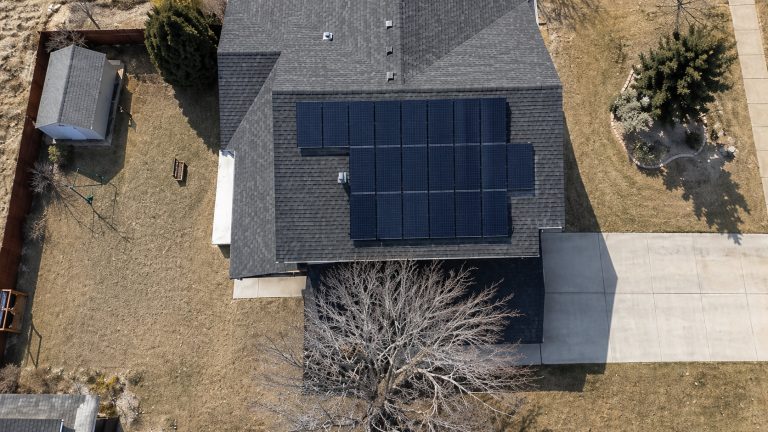
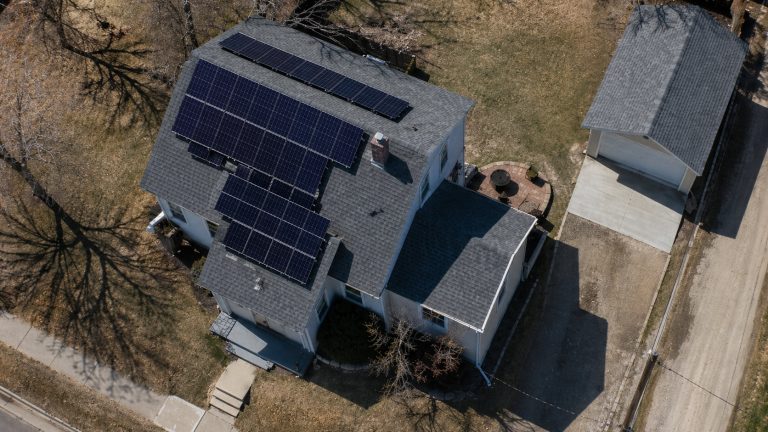
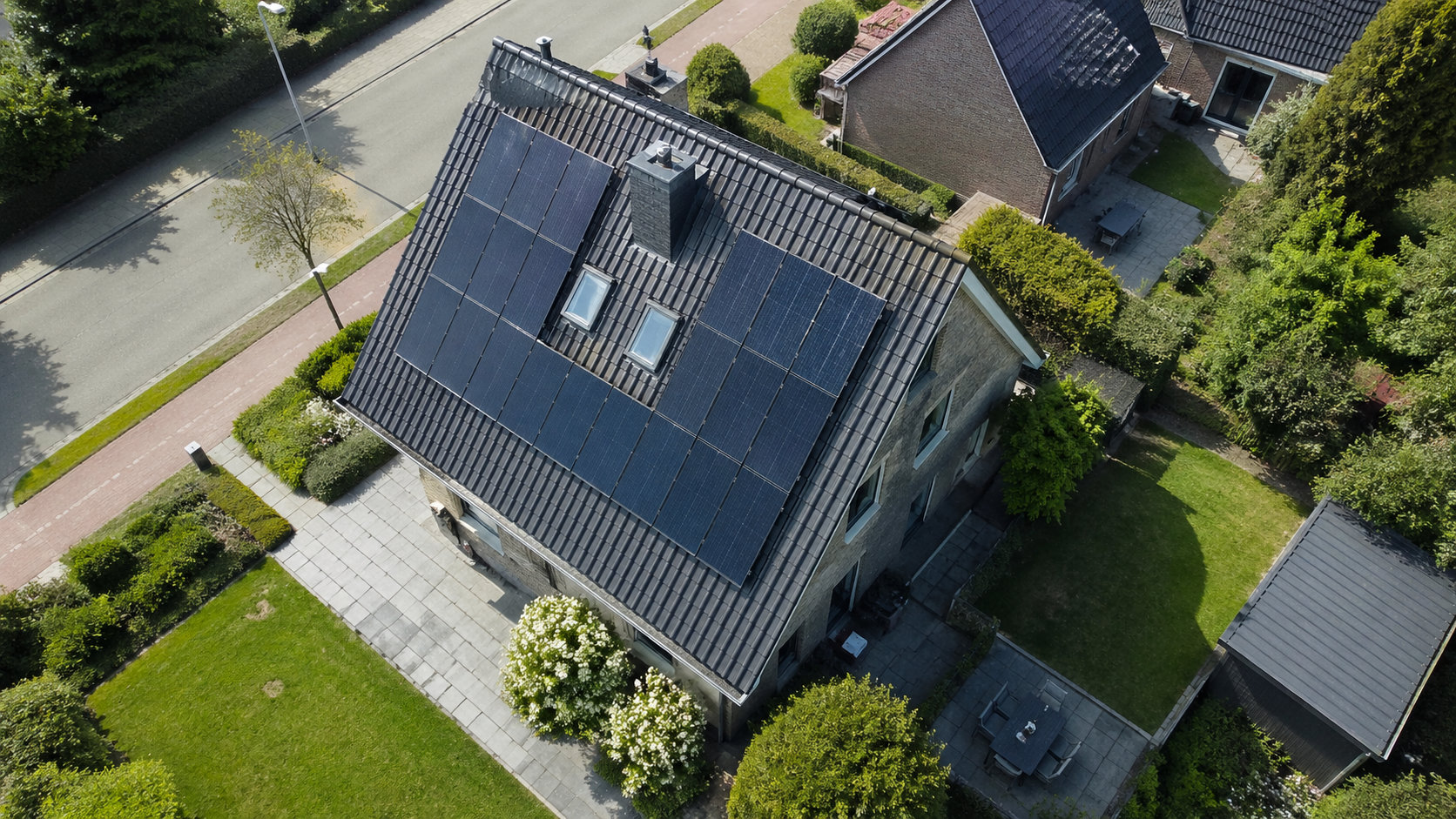
A lot of homeowners picture solar panels crushing shingles, trapping water, or punching permanent leak points into the roof. That is not how a properly installed rooftop system should work. The panels sit on rails or mounts above the roof surface. They are not supposed to rest directly on shingles or tiles.
The roof contact happens at the mounting points. That is where the job succeeds or fails. If those mounts are flashed, sealed, and fastened correctly, the roof can stay watertight. If they are rushed, guessed at, or treated like simple screw holes, trouble can follow.
The Reality: Workmanship Drives Risk
In the field, the better question is not “Do solar panels damage roofs?” It is “Was the roof suitable, and were the solar attachments installed like real roof penetrations?” Every roof already has vulnerable details: plumbing vents, exhaust vents, skylights, chimneys, and flashing transitions. Solar mounts have to be handled with the same level of care.
Most people miss this part. Solar installation is also roof work. The crew is not just placing electrical equipment. They are modifying the water-shedding surface of the house. That makes roof knowledge just as important as panel knowledge.
When Solar Can Cause Problems
Solar can create roof problems when the installation ignores the roof system. That usually means missing or poorly installed flashing, fasteners that do not land where they should, cracked tiles, torn shingles, or wiring penetrations that were sealed poorly.
Timing matters too. Installing solar over a roof that is already near the end of its life can make a normal roof repair much more expensive later. Once panels are on the roof, getting to the shingles or decking underneath may require removing part or all of the array.
Why Panels Do Not Automatically Damage Roofs
Typical Loads Are 2–4 PSF
Most modern residential rooftop solar systems are not extremely heavy compared with normal roof design loads. A common industry range is about 2–4 pounds per square foot for many panel-and-racking systems. Some solar-ready guidance uses about 3 pounds per square foot as a planning figure for PV panels and racking.
That number helps separate a real structural question from a fear-based one. A sound roof with proper framing can often handle that added distributed load. But “often” is not “always.” Older framing, prior leaks, soft decking, unusual construction, structural insulated panels, and flat-roof ballast systems all deserve closer review.
Mounts Spread The Load
A well-designed solar array does not put the whole system weight onto a few random shingles. The racking spreads the load across multiple mounting points. Those mounting points should connect to the right structural members or approved attachment locations.
On many sloped roofs, that means finding rafters and fastening the mounts according to the hardware instructions. Some systems require pilot holes, compatible sealant, a flashed base, and a specific bracket assembly. If the crew misses the intended structure, the roof covering may end up carrying stress it was never meant to carry.
Panels Sit Above The Roof
Solar panels are held above the roof plane. There is an air gap between the panel and the roof surface. That is why panels do not normally grind into shingles or press down across the whole roof surface.
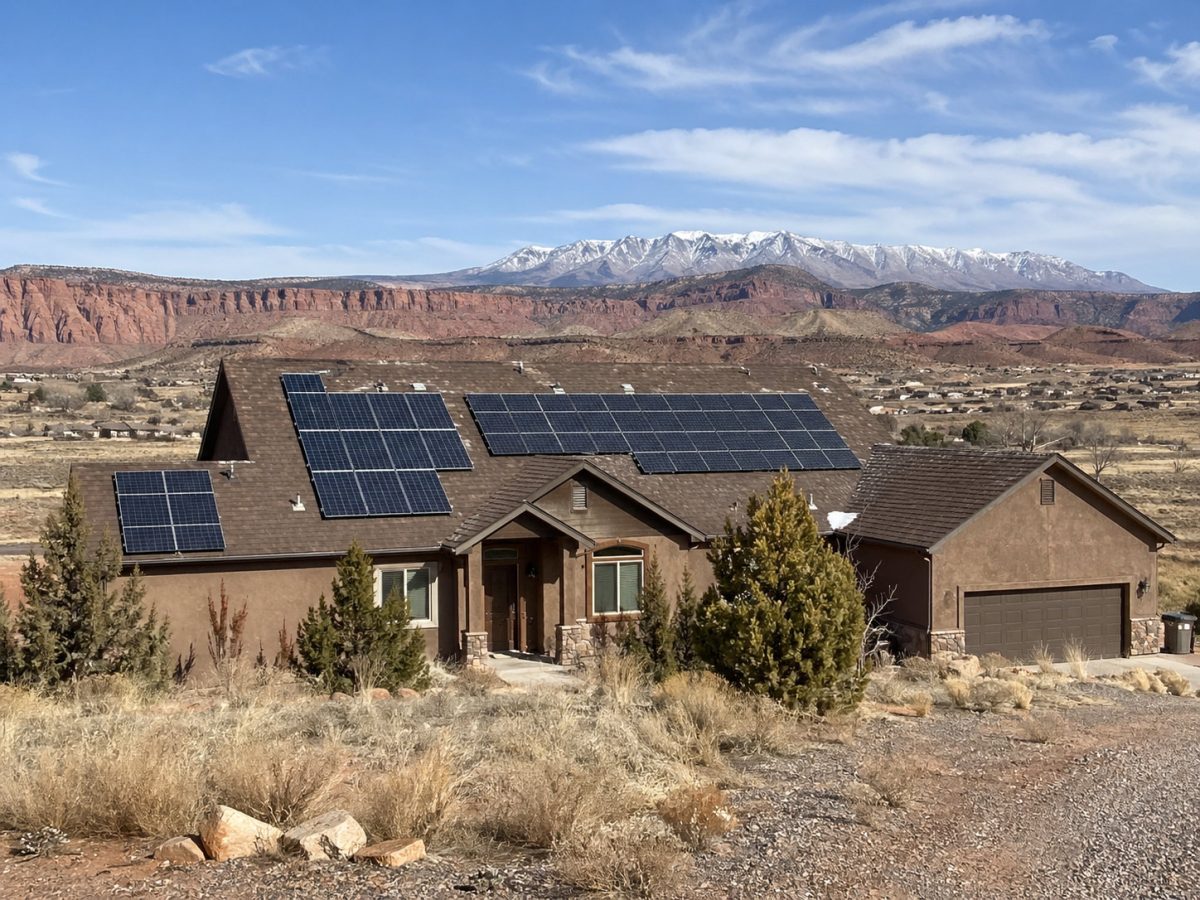
The hidden work matters more. Once the array is installed, you cannot easily see every mount, shingle, tile, or flashing point underneath it. Good installers document those areas before they disappear under panels.
Flashing Makes Penetrations Watertight
A roof penetration is not automatically a leak. A bad roof penetration is. The job of flashing is to move water over and around the opening so it does not get under the roof covering.
On asphalt shingles, that usually means the flashing is integrated into the shingle courses, not pasted on top as a decorative cover. On tile, metal, and flat roofs, the details change. The rule does not: water must have a clean path away from the penetration.
The Real Roof-Damage Risks
Poor Flashing
Poor flashing is one of the biggest roof-related solar risks. If the flashing does not fit the roof material, is installed out of sequence, or is skipped altogether, the mount can become a leak point. Sometimes the leak does not show up right away. It may take repeated rain, wind-driven water, snowmelt, or freeze-thaw cycles.
Caulk is not a roofing system. It has a role, but it should not be the main waterproofing strategy. Sealant ages, shrinks, cracks, and separates. Proper flashing does the heavy lifting.
Missed Rafters
When a mount is supposed to fasten into a rafter, missing the rafter is a serious workmanship issue. It can weaken the attachment and create movement around the mount. Movement is bad for both the racking and the roof surface.
Some mounting systems give very specific drilling and fastening instructions. One common mount guide, for example, calls for two 7/32-inch pilot holes into the rafter. The exact number is product-specific, but the lesson is broader: rooftop solar attachments should be measured and installed, not guessed.
Broken Tiles Or Shingles
Some roof damage happens before the panels are even connected. Tile roofs can crack under careless foot traffic. Older shingles can tear or lose granules. Rails and equipment can damage roof surfaces if materials are staged poorly.
This is why photos matter. Pre-install and post-install photos help show what was already damaged and what changed during the job. Without that record, responsibility can get muddy fast.
Sealant-Only Repairs
A shortcut installation often looks fine on day one. A bead of sealant around a mount can look neat from the ground. The problem shows up later, after sun, heat, cold, water, and roof movement have had time to work on it.
Sealant should support the flashing detail, not replace it. If the installer cannot explain the flashing, the homeowner should slow down before signing.
Bad Wire Penetrations
Solar wiring has to leave the roof and connect to the rest of the system. That routing should be planned carefully. Every unnecessary roof penetration creates another place where water can eventually find a path inside.
Some roof guidance prefers routing wiring or piping over a roof edge where practical instead of cutting extra holes through the roof surface. That is not always possible, but the principle is right: fewer penetrations, better details, clearer accountability.
Roof Penetrations Without The Scare Tactics
Why Penetrations Are Common
Many residential solar systems use mechanically attached mounts. That often means fasteners pass through the roof covering and into framing or another approved structural substrate. It sounds scary until you remember that roofs already have penetrations for vents, exhausts, chimneys, and other components.
The issue is not the existence of a hole. The issue is whether the hole was planned, flashed, sealed, and fastened correctly.
How Flashing Works
Flashing is not decoration. It is water control. On a shingle roof, the upper part of the flashing typically slides under the shingles above, while the lower portion sheds water onto the shingles below.
Solar flashing systems are not all the same. Some are built for specific roof materials, shingle styles, or roof profiles. That level of detail matters. A flashing product that works well on one roof can be wrong for another.
Why A Hole Is Not A Leak
A hole becomes a leak when water can reach it and enter the house. If the mount is correctly flashed, fastened, and sealed with compatible materials, water should be directed away from the opening.
The challenge for homeowners is visibility. After the panels are installed, the most important roof details may be hidden. That is why the quote should identify the mounting and flashing method, not just the number of panels and expected production.
Different Roofs Need Different Methods
Asphalt shingles, concrete tile, metal roofing, and flat membranes all need different solar attachment details. Tile roofs may need tile hooks, replacement tiles, or specialized flashing. Metal roofs may use clamps or attachments designed for the specific panel profile. Flat roofs may use mechanical attachments, ballast, or a combination depending on the roof and design.
A contractor who says every roof is handled the same way is waving a red flag. Roof-specific installation is not a premium upgrade. It is basic damage prevention.
Weight Concerns
Panel Weight Is Usually Manageable
Many residential solar panels weigh roughly 40–50 pounds each, but that number alone does not tell the roof story. Distributed load matters more. For many systems, the roof sees a typical added load in the range of about 2–4 pounds per square foot.
That is usually manageable on a structurally sound roof. The phrase “structurally sound” is doing a lot of work here. A dry, well-framed roof is one thing. A roof with old leak damage, sagging decking, or questionable framing is another.
Ballasted Systems Need Review
Flat-roof systems can be more complicated. Some use ballast weight to hold the array in place instead of relying on the same kind of penetrations used on sloped roofs. That can reduce some waterproofing concerns, but it may add more weight.
Fewer penetrations do not automatically mean lower risk. If the ballast creates a load problem, blocks drainage, or damages the membrane, the roof still loses.
When Engineers Matter
A structural review becomes more important when the roof is older, visibly sagging, unusually framed, built with structural insulated panels, or planned for a heavier ballasted system. Some manufacturer guidance calls for consulting the decking design professional before adding PV over structural insulated panels.
That may feel like an extra step. It is really just risk control. The roof structure, not the solar sales proposal, decides what attachment method makes sense.
Structural Red Flags
Watch for sagging rafters, soft decking, attic stains, cracked framing, old leak repairs, or roof areas that flex under foot traffic. Those signs do not always kill the project, but they should pause it until someone qualified evaluates the roof.
Roof Conditions That Raise Risk
Old Or Brittle Shingles
Old shingles do not like foot traffic. They can crack, tear, shed granules, or lift during installation. Even if the roof is not leaking today, solar work can expose weakness that was already there.
If the roof is too old, this is a bad idea unless the access and replacement plan is clear. Solar does not renew the roof beneath it. It covers part of it and makes future work harder.
Tile Roofs Need Specialists
Tile roofs can work with solar, but they need installers who know tile. The crew has to move carefully, stage materials correctly, use the right attachment system, and repair or replace broken tiles properly.
A cracked tile hidden under an array can become a leak source later. On tile jobs, documentation is not optional. It is how the homeowner knows what happened under the panels.
Flat Roofs Add Drainage Concerns
Flat roofs need extra attention to drainage. Solar should not block drains, create ponding areas, or concentrate weight on vulnerable membrane sections.
Ballasted systems also need a closer structural look. A design that avoids penetrations may still be a poor choice if the added weight or drainage impact is not handled correctly.
Existing Leaks Change Everything
If the roof already leaks, do not install solar over it and hope for the best. Fix the leak first. Panels make diagnosis harder, and the leak may turn into a dispute between the roofer, solar installer, and homeowner.
That kind of dispute is expensive because everyone has to prove what happened before and after the array went on.
End-Of-Life Roofs Are Poor Candidates
A roof near the end of its service life may still physically hold panels, but that does not make it a smart installation. The access problem is the real issue. If the roof needs replacement soon, the solar array may have to come off first.
Typical service benchmarks for removal and reinstallation often fall around $1,500–$6,000 for many residential systems. Some removal work is priced around $200–$500 per panel depending on system size, access, and complexity. Those are not minor add-ons when the roof work could have been handled first.
How Good Installers Prevent Damage
They Inspect The Roof First
A real roof review should happen before final design. The installer should look for brittle shingles, soft decking, active leaks, unusual framing, skylights, vent pipes, drainage problems, ice-dam-prone areas, and safe access.
A quote that jumps straight to panel count and production numbers is missing the roof side of the job. For this topic, the roof review is not a formality. It is the risk screen.
They Confirm Attachment Points
Good crews do not drill first and think later. They locate the correct attachment points, mark the roof, follow the hardware requirements, and use the right fasteners.
Where the system calls for pilot holes, compatible sealant, flashed bases, or specific brackets, those steps matter. Skipping small installation details is how small roof problems become expensive ones.
They Use Roof-Specific Flashing
The flashing has to match the roof. Asphalt shingle mounts, tile hooks, metal roof clamps, and flat-roof details are not interchangeable. If roofing manufacturer instructions conflict with the solar hardware instructions, that conflict needs to be resolved before installation.
In real-world work, the best solar installers can explain the roof attachment before the contract is signed. They can name the mount, explain the flashing, describe how they find structure, and tell you what happens if a leak shows up later. If the answer is vague, the risk is not vague.
They Avoid Water Trouble Spots
Solar should not be forced into roof areas that already struggle with water. Ice-dam-prone sections, valleys, skylights, vent pipes, and drainage paths all deserve caution.
Maximizing panel count is not the only goal. A slightly smaller, cleaner layout can be a better roof decision than a crowded layout that creates awkward penetrations and future service headaches.
They Document The Roof
Photos protect everybody. Before photos show existing wear. During photos show attachments and flashing. After photos show the finished roof surface and work areas.
If a stain appears on the ceiling later, that record helps separate solar-related leaks from unrelated roof issues, storm damage, or old defects.
They Involve Roofers When Needed
A good solar contractor knows when to bring in a roofer. Soft decking, failing shingles, complicated tile work, unclear warranty status, or previous leaks should not be brushed aside.
Getting a roofer involved before installation can prevent a much messier repair after the panels are already installed.
Installation Mistakes That Cause Damage
No Proper Flashing
The worst shortcut is treating a mount like a screw hole. Without proper flashing, water can work under the roof covering and travel before it shows up inside the house. The ceiling stain may not appear directly below the mount, which makes diagnosis harder.
Wrong Attachment Location
If the mount is supposed to hit framing and the fastener lands in unsupported decking, the attachment may not perform as intended. Wind, movement, and repeated loading can stress the roof around that point.
Unrepaired Broken Tiles
Broken tiles should not be hidden under panels. They should be repaired or replaced before the array covers them. Once the system is installed, finding and fixing tile damage becomes more involved.
Poor Cable Penetrations
Conduit routing is part of roof risk. A sloppy wiring penetration can leak just like a sloppy mount. If the crew can avoid a roof penetration safely and cleanly, that is often the better option.
Incorrect Rail Or Clamp Spacing
Racking layouts have manufacturer requirements for a reason. Bad rail spacing or clamp placement can create stress, movement, or code issues. It can also put extra load where the roof was not designed to take it.
Careless Foot Traffic
A crew can damage a roof before a single panel is attached. Dragged rails, stacked equipment, careless walking on tile, and poor ladder placement can all cause roof damage.
The financial consequences can get ugly. A small roof mistake can lead to leak diagnosis, drywall repair, roofing repair, and temporary panel removal. If the panels have to come off for access, a practical benchmark for many removal-and-reinstall jobs is about $1,500–$6,000, depending on system size and complexity.
Practical Decision Criteria
Ask About Attic Inspection
An attic check can reveal old water stains, soft decking, framing concerns, and hidden leak paths. Not every roof needs a full investigation, but the installer should have a real method for checking roof condition before drilling into it.
Ask About The Flashing System
Do not accept “we seal everything” as the answer. Ask what flashing system they use for your roof material. Asphalt shingles, tile, metal, and flat roofs need different details.
Ask About Broken Materials
Ask what happens if shingles tear or tiles break during installation. This should not be handled with a shrug after the fact. The contract should make the responsibility clear.
Ask About Leak Coverage
Workmanship coverage should be specific. If water appears near a mounting point, who inspects it? Who pays if the solar attachment caused it? How quickly will they respond?
Ask About Responsibility
Roof warranties and solar warranties do not cover the same things. A roofing manufacturer may cover qualifying shingle defects, but the homeowner may still have to pay to remove panels so the shingles can be inspected.
Ask For Installation Photos
Ask for photos before, during, and after installation. You want roof condition, mount placement, flashing details, and finished roof areas documented.
- Ask for the specific flashing and mounting product.
- Ask how rafters or structural attachment points are found.
- Ask whether wiring penetrations through the roof can be avoided.
- Ask who repairs broken shingles or tiles.
- Ask what happens if a leak appears near the array.
Narrow Cost Context
Flashing Costs Less Than Leaks
This is not a solar pricing article, but roof-protection costs are worth putting in perspective. Some field cost references put individual flashing materials in a low per-point range, such as roughly $3–$5 for certain aluminum flashing pieces and $8–$12 for some copper flashing pieces before full labor and system context.
Do not read that as a reason to shop for the cheapest flashing. The part price is not the point. Correct installation is the point. A cheap part installed correctly can outperform an expensive part installed badly.
Labor Adds Per Mount
Some service-cost references put professional flashing labor around $5–$10 per mounting point, though this is often bundled into the solar installation rather than listed separately. Roof slope, access, roof material, and mounting method all affect the real labor burden.
This Is Not Total Solar Cost
Total solar cost includes design, permitting, electrical work, panels, inverters, utility coordination, inspections, and other project items. That is a different article. Here, the relevant costs are roof protection, leak risk, warranty access, and removal/reinstall exposure if roof work is needed later.
The table below keeps the cost discussion focused on roof-risk decisions.
| Roof-Related Scenario | Typical Cost Context | Why It Matters |
|---|---|---|
| Solar panel removal for roof access | $200–$500 per panel | Can turn a roof repair into a larger project |
| Full removal and reinstall | $1,500–$6,000 for many homes | Common exposure if roof work is needed later |
| Roof repair allowance during removal | $300–$1,000 in some service guides | Damage found under panels may add cost |
| Manufacturer roof inspection program | Example: $600 pre-install inspection in one program | May protect warranty clarity before solar is added |
The practical point: a cheaper solar quote can become expensive if it ignores roof access, flashing quality, and who pays when something leaks.
Warranty And Liability Questions
Can Solar Affect Warranty?
Solar does not automatically void every roof warranty. The details matter. Some roofing manufacturers allow solar over their shingles while still keeping qualifying limited warranty coverage in place. But they may also require the homeowner to remove panels before the manufacturer can inspect shingles under the array.
That difference is easy to miss. Warranty coverage and physical access are not the same thing.
Roof And Solar Warranties Differ
The roof warranty may cover shingles or roofing-system defects. The solar workmanship warranty may cover installation-related issues such as mounts, penetrations, and flashing. The equipment warranty may cover panels or other solar components.
Those are separate buckets. If water shows up near the array, the homeowner needs to know which bucket applies.
Get Terms In Writing
Do not rely on verbal reassurance. The contract should spell out roof penetration coverage, workmanship coverage, leak-response steps, and responsibility for panel removal if roof access is needed.
Photos Matter Later
Photos can settle arguments. They show what the roof looked like before installation, how the flashing was installed, and what the finished work looked like before the panels hid the details.
Pre-Installation Checklist
Confirm Roof Material
The attachment method should match the roof material. Asphalt shingles, tile, metal, and flat roofing all need different details. The quote should identify the roof type and the planned attachment method clearly.
Check For Active Leaks
Any active leak should be repaired before solar goes on the roof. Check the attic after rain if it is safe to access. Look for stains, damp insulation, or old leak paths around penetrations.
Verify Mounting Method
Ask how the mounts attach, how structural points are located, and what flashing system is used. This is one of the most important questions in the entire quote review.
Confirm Structural Review
Not every roof needs a deep engineering report, but some do. Older roofs, unusual framing, structural insulated panels, flat-roof ballast, and visible movement deserve a closer look.
Get Terms In Writing
Leak response, broken roof materials, panel removal, and warranty access should be in the agreement. If it is not written down, do not assume it will be handled your way later.
Save Roof Photos
Take your own photos before installation. Ask the installer for theirs too. Keep those photos with the contract, permits, and warranty documents.
After Installation Checks
Inspect From The Ground
Do not climb the roof just to look around. Use ground-level viewing or binoculars. Look for shifted flashing, loose conduit, visible debris, damaged shingles, or broken tiles near the array.
Check The Attic
After the first few heavy rains, check the attic if it is safe and accessible. Look for new staining, damp insulation, or moisture near roof penetrations. Early detection matters.
Schedule Storm Checks
After hail, strong wind, fallen branches, or heavy debris, a professional roof or solar inspection may be worth it. The point is not to over-service the system. The point is to catch displaced flashing, broken roof covering, or loose conduit before water gets inside.
Watch For Warning Signs
Ceiling stains, musty attic smells, rust trails, loose conduit, cracked tiles, or shifted flashing should be taken seriously. Do not assume every stain is solar-related. Also do not ignore it because the panels look fine from the ground.
Bottom Line
Safe Solar Depends On Details
Solar panels do not automatically damage a roof. Bad roof work does. The difference is roof condition, attachment method, flashing quality, fastener placement, and clear responsibility if water appears later.
A sound roof with a roof-specific installation plan is usually a reasonable candidate. A brittle, leaking, poorly documented roof is not.
Demand A Roof-Specific Plan
The quote should show more than panel count and estimated production. It should explain how the system attaches to the roof, how penetrations are flashed, how obstructions are handled, and who responds if there is a leak near the array.
This practical contrast helps when comparing quotes:
| Homeowner Expectation | Roof-Safe Reality |
|---|---|
| Panels either damage the roof or they do not | The installation method determines most of the risk |
| Sealant stops leaks | Flashing and correct water-shedding details do the real work |
| The solar warranty covers everything | Roof, solar workmanship, and equipment warranties cover different issues |
| A cheaper quote saves money | Poor roof detailing can create removal, repair, and leak costs later |
Compare the roof scope, not just the solar price. That is where the real risk is hiding.
When To Call A Roofer First
Call a roofer before signing if the roof has active leaks, visible sagging, soft decking, cracked tiles, brittle shingles, known ice-dam problems, or unclear warranty status. A roof evaluation before solar is usually cheaper than removing panels to solve a roof problem later.
FAQ
Do solar panels cause roof leaks?
Solar panels themselves usually do not cause roof leaks. Leaks are more often tied to poor flashing, bad penetrations, missed attachment points, cracked roof materials, or roof problems that existed before installation.
Will drilling holes ruin my shingles?
Drilling can damage shingles if the holes are poorly placed, unflashed, or sealed only with caulk. When the mount is fastened correctly and the flashing is integrated into the shingle courses, the penetration can remain watertight.
Can solar panels protect shingles?
Panels may shade the roof surface beneath them from some sun and weather exposure, but solar is not a roof-protection system. The roof still needs to be in good condition before installation, and the covered area may still need future access.
Should a roofer inspect before solar?
A roofer should inspect before solar when the roof is older, leaking, brittle, sagging, tile-based, flat, or tied to a warranty that may require documentation. Newer, straightforward roofs may only need a careful solar-site roof review, but borderline roofs need roofing expertise.
Who pays if the roof leaks later?
It depends on the cause and the written contract. If the leak comes from a solar mount or installation defect, the solar workmanship coverage may apply. If it is a shingle or roof-system issue, the roof warranty may apply. If panels must be removed for roof access, the homeowner may be responsible unless the contract says otherwise.