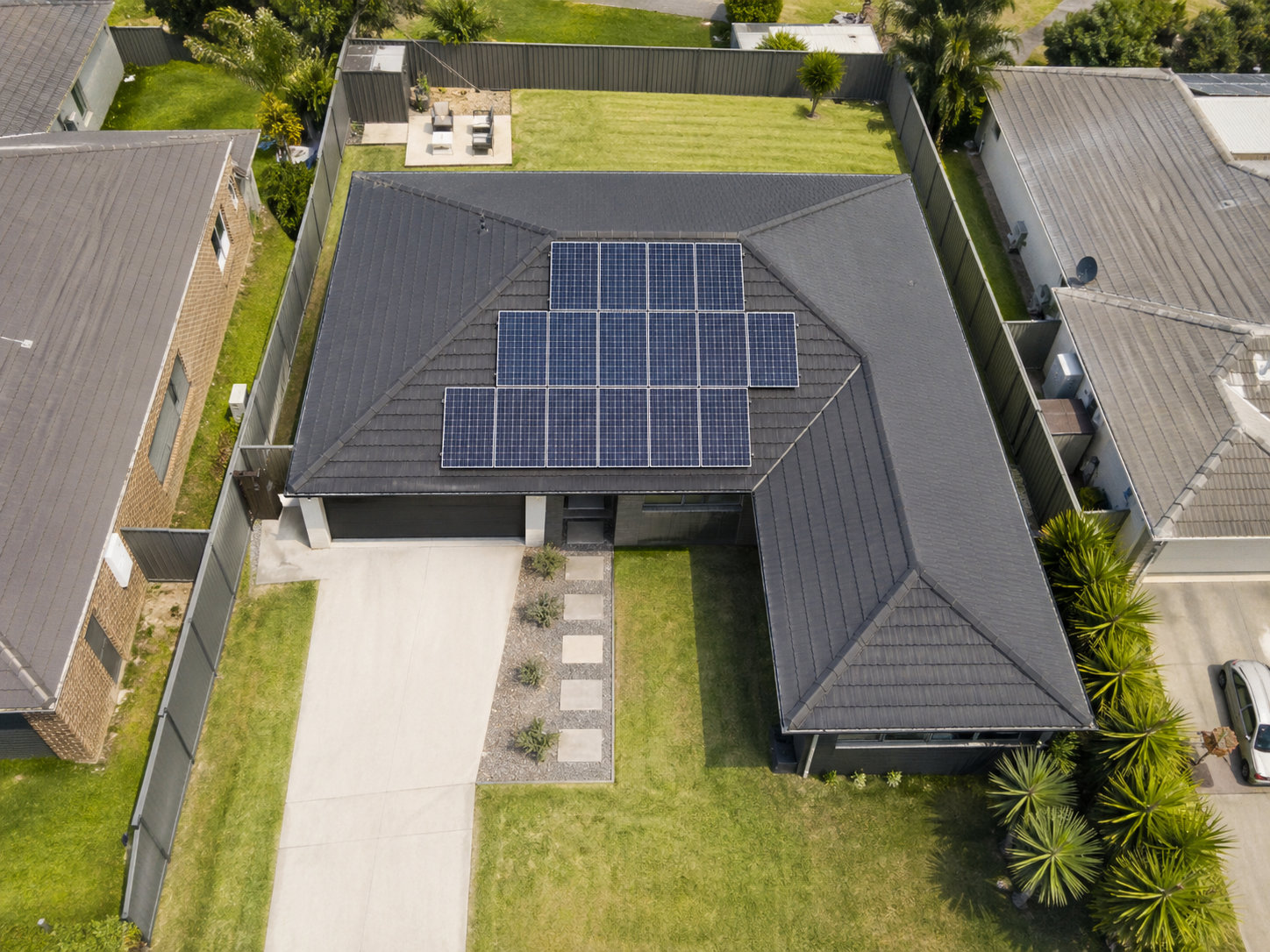
Is Your Roof Too Damaged for Solar Panels?
Quick Answer: Do Not Install Over Active Damage
Solar panels can be installed on a roof that was damaged in the past. They should not be installed on a roof that is still leaking, sagging, soft underfoot, storm-damaged, or structurally questionable. A typical rooftop solar system adds roughly 2–4 pounds per square foot. That is usually manageable on a sound roof, but it matters a lot when decking, rafters, flashing, or shingles are already compromised. The decision is straightforward: repaired and documented damage may be acceptable; active or uncertain damage needs inspection and repair before mounting begins. The hard limit is that a satellite image, sales visit, or quick roof photo cannot prove the roof is ready. Some of the worst problems are under the shingles or inside the attic.
Can Solar Panels Be Installed on a Damaged Roof?
Sometimes, yes. But “damaged roof” can mean several very different things. A few shingles replaced after an old repair is one situation. A roof with an active leak, soft decking, hail bruising, lifted shingles, or a sagging roof plane is another.
Solar needs a roof that can stay watertight and hold attachments for years. If the roof is already failing, panels do not fix that. They usually make the repair harder to reach.
Minor Cosmetic Damage May Not Stop Solar
Minor cosmetic damage does not automatically kill a solar project. Light granule loss, surface staining, small areas of older repair work, or a few replaced shingles may be acceptable if the roof is dry and the repair was done properly.
The important word is “verified.” A homeowner saying, “That leak was fixed years ago,” is not the same as a current inspection. If the planned solar array will cover the repaired area, both the roofer and the solar installer should know exactly where that repair is and what was done.
Structural Damage Should Pause the Project
Structural damage should stop the job until someone qualified looks at it. Sagging roof lines, cracked rafters, soft decking, water-damaged sheathing, or visible movement are not routine solar obstacles. They are roof problems first.
A solar mount needs dependable attachment. It is not just sitting on the shingles. It has to fasten into framing or an approved roof assembly. If that assembly is weak, wet, rotten, or distorted, the risk goes beyond leaks. Now you are talking about attachment strength, wind uplift, and long-term roof stability.
Why 2–4 Pounds per Square Foot Matters
A residential solar array commonly adds an estimated 2–4 pounds per square foot when panels and mounting hardware are included. On a healthy roof, that is usually not alarming. On a damaged roof, it deserves attention.
One panel often weighs around 40–50 pounds before racking and hardware. One panel is not the issue. The issue is a full array spread across roof sections that may already have wet decking, old leak damage, cracked framing, or patched areas nobody has checked from below.
What Counts as Roof Damage Before Solar?
Before solar, roof damage should be judged by function, not looks. A roof does not need to look brand new. It does need to stay dry, hold attachments, and avoid near-term repairs after panels are installed.
| Damage type | Solar impact | Likely action before install |
|---|---|---|
| Active leak or water stain | High leak-dispute risk after mounting | Repair and verify dry condition |
| Soft or rotten decking | Poor fastener hold and moisture risk | Replace affected decking |
| Sagging roof plane | Possible framing or structural issue | Structural review before solar |
| Missing or lifted shingles | Water entry and flashing problems | Repair surface before layout approval |
| Recent storm damage | Hidden hail, wind, or uplift damage | Inspect and document before contract finalization |
The practical rule is simple. If the defect affects water control, attachment strength, or structure, do not treat it as cosmetic.
Active Leaks or Moisture
An active leak should be fixed before solar. That includes growing ceiling stains, attic moisture, damp insulation, wet decking, recurring leaks around vents, chimney flashing, skylights, valleys, or old roof penetrations.
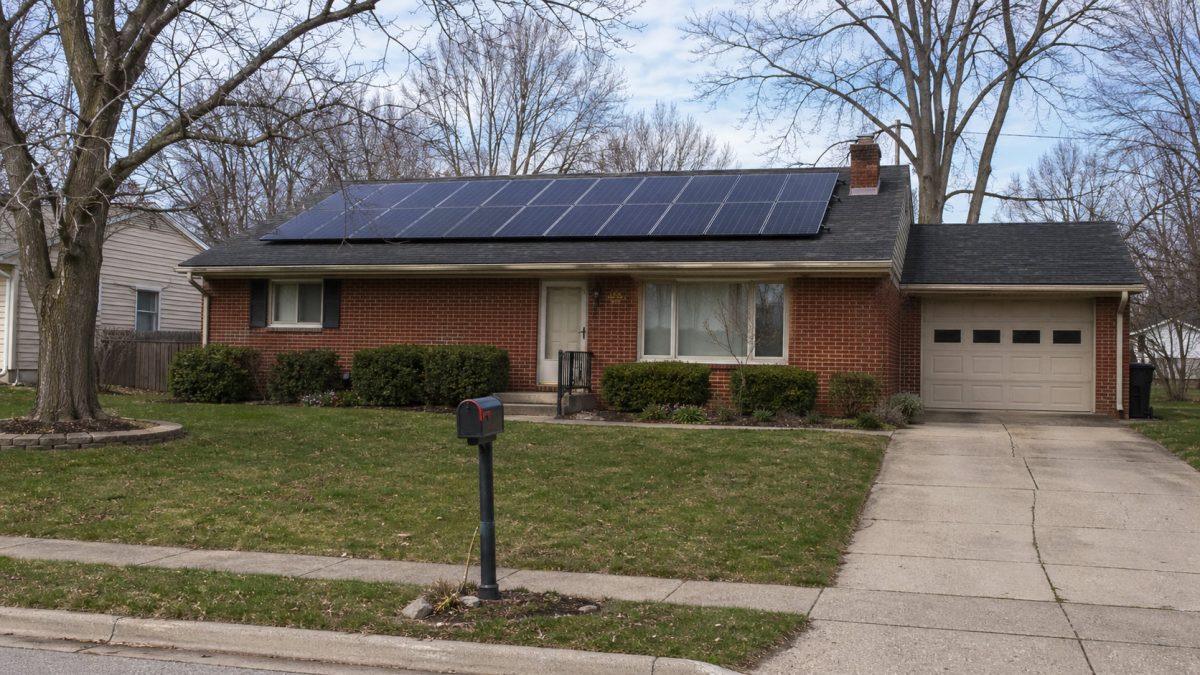
Panels can make leak tracing harder. A roofer may need the array removed just to reach the problem area. That turns a normal roof repair into a coordination problem between the homeowner, roofer, and solar company.
Missing, Lifted, or Cracked Shingles
Missing, lifted, curled, cracked, or brittle shingles matter because solar mounts rely on a weatherproof roof assembly around every attachment. If the shingle field is already loose or failing, flashing details become less forgiving.
A few isolated shingles may be an easy repair. A broad pattern of brittle or lifted shingles is different. That points to a roof that may not be ready for a long-term solar array.
Soft Spots or Rotten Decking
Soft decking is one of the biggest red flags before solar. It may feel spongy underfoot, show staining from inside the attic, or appear near old leak areas. Solar mounting over weak decking can create poor attachment, water entry, and a hard-to-settle dispute if the roof fails later.
Decking issues should be repaired before the array goes on. If mounts will land near that area, the repair needs to be clear in the documentation given to the installer.
Sagging Roof Lines
A sagging roof line is not normal wear. It can come from framing movement, water damage, overloaded members, poor past repairs, or long-term deflection.
This is not a place to guess. A roofer can identify visible roof condition. A structural engineer may be needed if the roof line is distorted or framing damage is suspected.
Storm, Hail, or Wind Damage
Storm damage should be inspected before solar moves forward. Hail can bruise shingles. Wind can lift edges, loosen flashing, or create damage that is hard to see from the ground. Once panels are installed, proving what existed before the array becomes harder.
If insurance is involved, get the sequence right: inspect, document, settle the repair scope, complete the necessary work, then continue with solar design and installation.
Previous Patch Repairs
A previous patch is not automatically a problem. A weak or temporary patch is.
The question is whether the repaired area is watertight, structurally sound, and suitable to sit under panels or near attachments. If the array will cover the patch, ask for roof photos, repair details, and written confirmation that the installer has reviewed the area.
The Main Risks of Installing Too Soon
Mounts Can Worsen Leak Paths
Solar mounts are designed to be flashed and sealed. On a healthy roof, that system usually works well when installed correctly. On a damaged roof, every attachment becomes more sensitive to brittle shingles, old underlayment, weak decking, or nearby leak paths.
A good installer can protect a sound roof. They cannot turn a failing roof into a sound one by covering it with panels.
Panels Can Hide Damage
Panels cover a lot of roof surface. That can be useful for shading the roof, but it is inconvenient when someone needs to find a leak, inspect shingles, or reach an old repair.
This matters even more when buying a house with solar already installed. The array may hide older patches, cracked shingles, or areas that were never visible during a quick exterior review.
Weak Roofs May Not Support Panels
A single 40–50 pound panel may not sound like much. But a complete system includes panels, rails, mounts, wiring, roof access during installation, and long-term wind forces on the array.
On a roof with soft decking or framing concerns, the right next step is not another solar quote. It is a roof evaluation.
Warranties Can Get Complicated
Leaks after solar can turn into finger-pointing. The roofer may blame the solar attachments. The solar company may say the roof was already damaged. The homeowner is stuck trying to prove what existed before the job started.
That is why photos, inspection notes, and written repair records matter. Verbal reassurance is not worth much when water shows up on the ceiling.
Removal Can Cost $3,000–$10,000+
If solar is installed and the roof later needs work under the array, removal and reinstall can become expensive. A typical field estimate for removing and reinstalling solar panels for roof work often lands around $3,000–$10,000 or more. System size, roof pitch, access, labor rates, wiring complexity, storage, and older equipment can all move the number.
This is the financial trap. The roof repair itself might be manageable. Moving the solar system out of the way can be the part that hurts.
How to Decide Repair First or Install Now
The decision should follow the roof condition, not the sales schedule. If the roof is dry, structurally sound, and only has minor documented repairs, solar may be reasonable. If the damage is active, hidden, or unresolved, repair first.
| Roof condition | Solar decision | Reason |
|---|---|---|
| Minor old repair, no active leak | May proceed after verification | Risk is manageable if documented |
| Active leak or attic moisture | Repair first | Panels can block future access |
| Soft decking | Repair first | Mounts need sound substrate |
| Sagging roof line | Pause for structural review | Possible framing concern |
| Recent storm damage | Inspect and document first | Claim and repair scope may change |
The takeaway: “Install now and fix it later” only works when the later fix will not require access under the array. With roof damage, that is rarely a safe bet.
Install Only After the Roof Is Sound
A roof is ready for solar when it is dry, stable, and able to accept mounts without depending on damaged materials. A roofer should confirm leak status, surface condition, flashing, and any decking concerns.
Then the solar installer should confirm the layout and attachment plan. Those are related checks, but they are not the same check.
Repair First for Localized Damage
Localized damage does not always mean full roof replacement. A small section of damaged shingles, one flashing failure, or an isolated decking repair may be enough if the rest of the roof is healthy.
After the repair, verify it. The installer should know where the work was done and whether attachments will land near it.
Replace First for Widespread Damage
When damage is widespread, repeated, or tied to a roof near the end of its useful life, replacement before solar is often the cleaner decision. This is not a full roof replacement cost guide. The point is narrower: installing solar over a roof that is likely to need major work soon can create avoidable removal and reinstall costs.
Repeated leaks, brittle shingles across large areas, deteriorated underlayment, multiple patches, and broad storm damage all point toward a bigger roof decision before solar.
Get Engineering Review for Sagging
Sagging, cracked framing, unusual deflection, or suspected structural damage needs a higher level of review. A structural engineer may be the right person to answer whether the roof can safely carry the added load and attachment forces.
Solar installers may spot a concern. That does not mean they are performing structural engineering unless that service is specifically included.
Roof Inspection Before Solar
Roofer: Leaks, Flashing, and Decking
A roofer should inspect the roof as a roof: shingles or roof covering, flashing, valleys, vents, penetrations, underlayment where visible, decking concerns, and old repair areas. A typical professional roof inspection often falls around $150–$600, depending on roof size, slope, access, location, and report detail.
For a solar decision, the inspection should answer one practical question: is this roof ready to have panels installed now without creating an obvious repair-access problem?
Solar Installer: Layout and Attachments
The solar installer should review where panels, rails, mounts, and wire paths will go. That includes roof planes, setbacks, obstructions, attachment zones, and whether the planned array conflicts with known repair areas.
Do not confuse this with a full roofing diagnosis. A layout review tells you whether the system can be placed. A roof inspection tells you whether the roof is ready for it.
Structural Engineer: Framing Concerns
When there is sagging, cracked rafters, water-damaged framing, or unusual load concern, a structural engineer may be needed. The question changes from “Can panels fit here?” to “Is the roof structure fit for the load and attachments?”
This comes up more often on older homes, homes with previous structural alterations, and roofs with visible movement.
Insurance Adjuster: Storm Claims
If the roof was damaged by wind, hail, fallen limbs, or another covered event, an insurance adjuster may need to document it before repairs or solar work continue. Installing solar before storm damage is documented can muddy the record.
Keep photos, adjuster notes, repair invoices, and the solar layout together. That paperwork can save a lot of arguing later.
Why a 1–3 Hour Inspection Helps
A standard roof inspection may take roughly 1–3 hours, depending on roof size, slope, access, attic visibility, and reporting detail. That is minor compared with discovering soft decking after panels are already mounted.
From a contractor’s perspective, the bad moment is finding roof damage after the solar job has started. Now the homeowner has a solar schedule, a roofing problem, and unclear responsibility. A short inspection before final approval is far easier to manage than a repair under a finished array.
Checklist Before Approving Solar
Use this checklist before approving solar on a roof with known or suspected damage. It will not replace a professional inspection, but it keeps the conversation grounded.
- Confirm there are no active leaks, ceiling stains, attic moisture, or damp insulation.
- Ask for roof photos showing valleys, vents, flashing, decking concerns, and previous repairs.
- Compare the solar layout with any repaired or questionable roof areas.
- Get written confirmation of who is responsible for roof leaks after installation.
- Verify that any repair work is complete before solar mounting begins.
- Ask whether attachments can avoid recently repaired or uncertain sections.
Confirm There Are No Active Leaks
Do not judge the roof only by whether water is dripping today. Look for attic staining, moisture around penetrations, discolored decking, damp insulation, rusted nails, and ceiling marks that return after rain.
Ask for Photos of Key Areas
Photos reduce arguments later. Good documentation should show existing damage, completed repairs, flashing areas, and roof sections that will be covered by the solar array.
Check Repairs Under the Array
If the array will cover a past repair, slow down and verify it. A repair that remains visible and accessible is one thing. A repair buried under panels is another.
Confirm Leak Responsibility
Ask what happens if a leak appears after installation. The answer should be specific. It should explain when the solar installer is responsible, when the roofer is responsible, and when pre-existing roof condition is excluded.
Get Repairs in Writing
Repair completion should be documented with invoices, photos, and scope notes. If decking was replaced, flashing was corrected, or shingles were repaired, the paperwork should say so.
Ask About Layout Changes
Sometimes the answer is not canceling solar. It is changing the layout. If a questionable area can be avoided, that may reduce risk. But the installer has to know about the concern before the final design is locked.
When Solar Can Move Forward
After the Leak Source Is Fixed
Solar can usually move forward after the leak source has been repaired and the roof is verified dry. A quick surface sealant job is not enough if the underlying problem remains.
A pipe boot replacement, flashing repair, or valley correction may solve the issue if the surrounding roof is sound. If the leak damaged decking, that part needs to be addressed too.
After Decking Is Replaced
Once rotten or soft decking has been replaced, solar may proceed if the new substrate works with the mounting plan. The installer should know where the replacement occurred, especially if attachments are planned nearby.
After Storm Damage Is Resolved
Storm damage should be inspected, documented, and repaired before solar continues. That avoids covering questionable shingles or flashing with panels and helps prevent insurance disputes later.
After Attachments Are Confirmed
Even after a roofer clears the roof, the solar installer still needs to confirm attachment locations. Roof repair and solar mounting have to work together in the field, not just on a drawing.
Mistakes to Avoid
These mistakes usually happen because the homeowner is under pressure: proposal deadlines, financing approvals, incentive timing, storm repairs, or a contractor pushing the schedule. The result is often the same. Work gets done twice.
| Mistake | Why it happens | Possible financial consequence |
|---|---|---|
| Installing over an active leak | Homeowner wants to avoid delaying solar | Roof repair plus possible panel removal |
| Skipping roof inspection | Solar proposal feels complete | Missed damage and warranty dispute |
| Ignoring attic moisture | Roof surface looks acceptable | Decking repair, mold, interior damage |
| Failing to document storm damage | Damage seems minor from the ground | Claim disputes or uncovered repair scope |
| Covering a weak patch with panels | Repair history is not shared with installer | Future access cost and leak diagnosis delays |
The bigger issue is responsibility. Once solar is installed, every future leak has to be sorted between roof condition, solar workmanship, weather, installation details, and old damage. That can get messy fast.
Letting the Installer Decide Roof Health
Solar installers understand solar feasibility. Some also perform a strong roof review. Others do a more limited check focused on layout and mounting. Ask what is actually included.
Installing Over a Known Leak
This is the easiest mistake to avoid. If a leak is known, fix it first. Panels do not make the leak go away. They make the repair harder to reach.
Assuming Small Damage Is Cosmetic
Small visible damage can point to a bigger hidden issue. A cracked shingle near a vent may be minor. A cracked shingle over wet decking is not.
Ignoring Attic Moisture
The attic often shows the problem before the roof surface does. Dark stains, damp insulation, rusted nails, mold-like growth, or daylight around penetrations should be checked before solar approval.
Signing Before Clarifying Responsibility
Do not wait until there is a leak to ask who handles roof damage. Review the contract before installation. Get roof-related promises and exclusions in writing.
Narrow Cost Context
This is not a full solar pricing guide. For a damaged roof, only two cost categories matter here: the cost to inspect before installation and the cost of moving solar later if the roof problem was ignored.
Inspection May Cost $150–$600
A professional roof inspection commonly runs about $150–$600. Straightforward walk-on inspections may be closer to $150–$300. More detailed inspections, steep roofs, difficult access, attic review, storm documentation, or written reports can push the cost higher.
Compared with a roof repair under an installed array, that inspection is usually cheap risk control.
Removal Can Cost $3,000–$10,000+
Solar removal and reinstall for roof work often falls into an industry-estimate range of about $3,000–$10,000 or more. The number depends on system size, number of panels, roof pitch, access, wiring condition, local labor, equipment age, and whether anything has to be stored, replaced, or reconfigured.
This is why roof readiness matters before installation. The expensive mistake is not always the roof repair. It is paying to move an active solar system just to reach the roof.
Why This Is Not a Solar Cost Guide
Full solar system pricing, cost per watt, financing, batteries, and payback belong somewhere else. For this topic, the useful cost question is narrower: will installing now create avoidable inspection, repair, removal, reinstall, warranty, or claim problems later?
FAQ
Can solar panels go over a leaking roof?
Usually no. An active leak should be repaired and verified before solar installation. Panels can block access to the leak area and make responsibility harder to prove if the leak continues after the system is installed.
Will a solar company fix roof damage?
Usually not unless the company also provides roofing or has a roofing partner included in the contract. Most solar companies evaluate whether the roof can accept the system. Actual roof repairs are typically handled by a roofer.
Can solar be installed after patching?
Yes, if the patch is complete, dry, documented, and acceptable for the planned solar layout. A temporary sealant patch or uncertain repair under the array should be treated as a risk.
What if the roof leaks after solar?
The roofer and solar installer may both need to inspect the area. If the leak is under the array, panel removal may be required. This is why pre-install photos, repair records, and written responsibility terms matter.
Should partial damage delay solar?
Partial damage should delay solar if it affects water control, decking strength, flashing, or planned attachment points. If the damage is minor, repaired, documented, and outside the array area, the project may be able to move forward after verification.