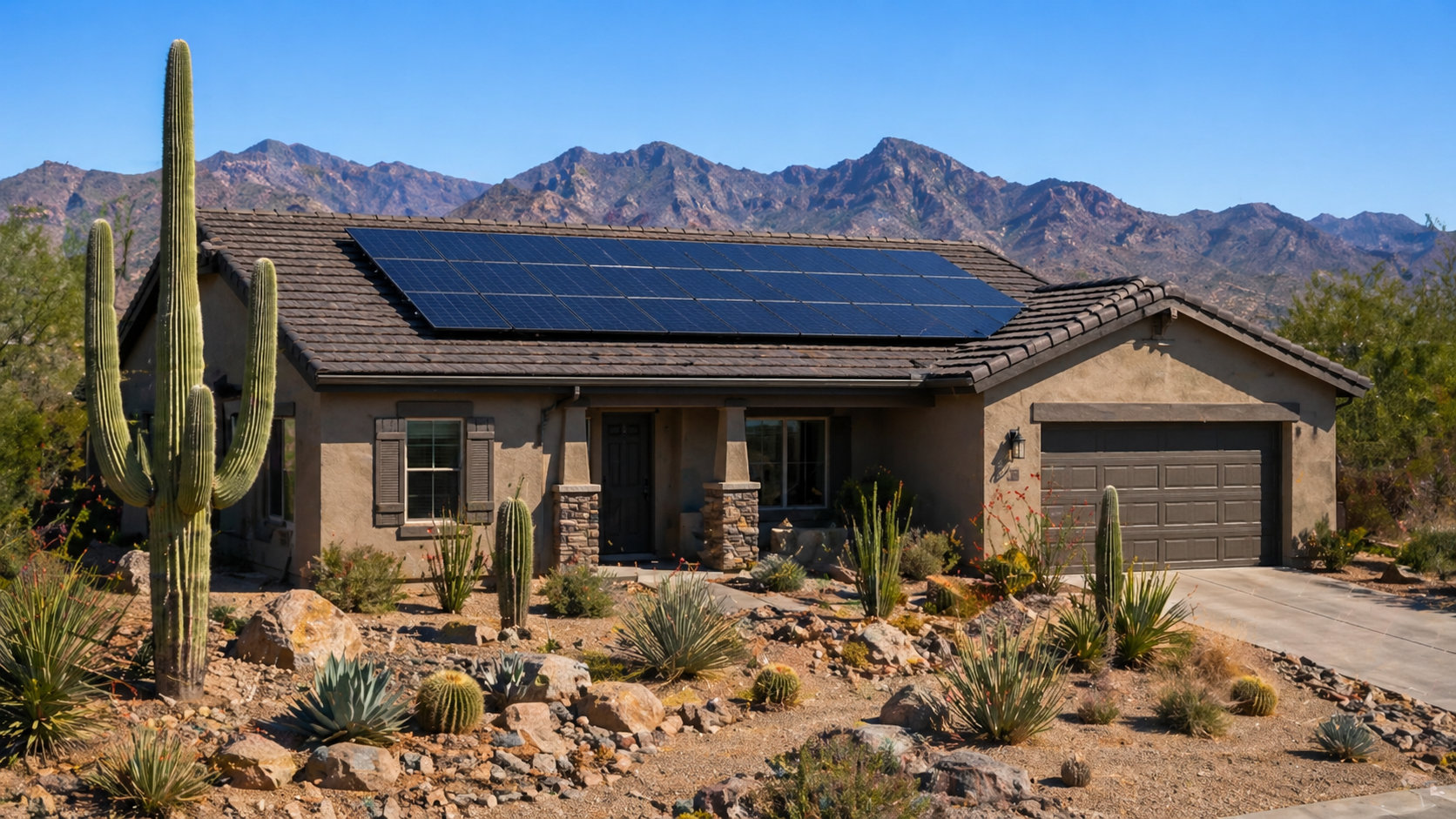
Do Solar Panels Make Your Roof Hotter?
Quick Answer: Usually No
Solar panels usually do not make the roof underneath hotter. The panels themselves can get very hot in direct sun, but the roofing below them is shaded. In one rooftop study, researchers measured roughly 38% less heat reaching the roof under solar panels. That is the useful takeaway, not a guarantee for every house. The limit is airflow. A raised, ventilated array usually helps reduce daytime roof heat. A tight, low-clearance setup can behave differently, and at night the covered roof area may cool more slowly.
The Myth in One Sentence
The myth is simple: because solar panels get hot, they must make the roof hotter too. That sounds logical at first. It is also where people usually get the physics wrong.
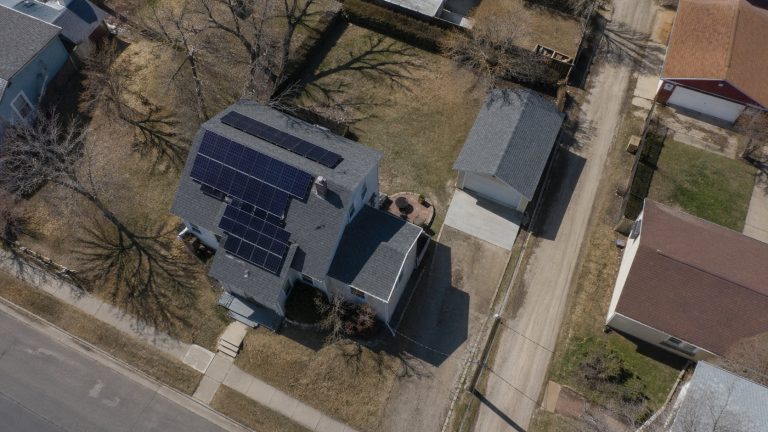
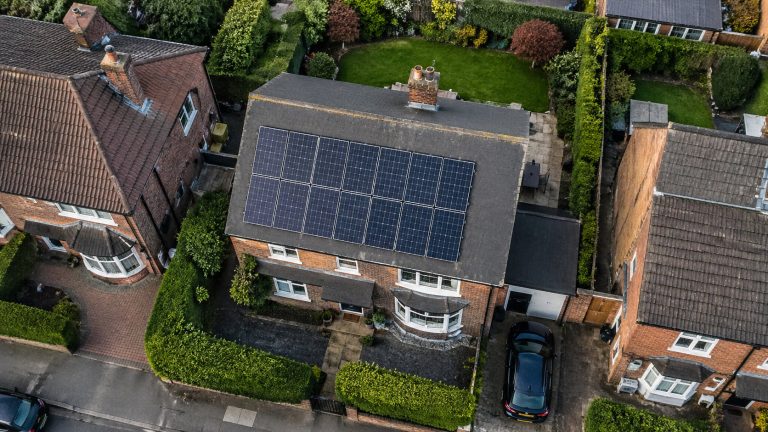
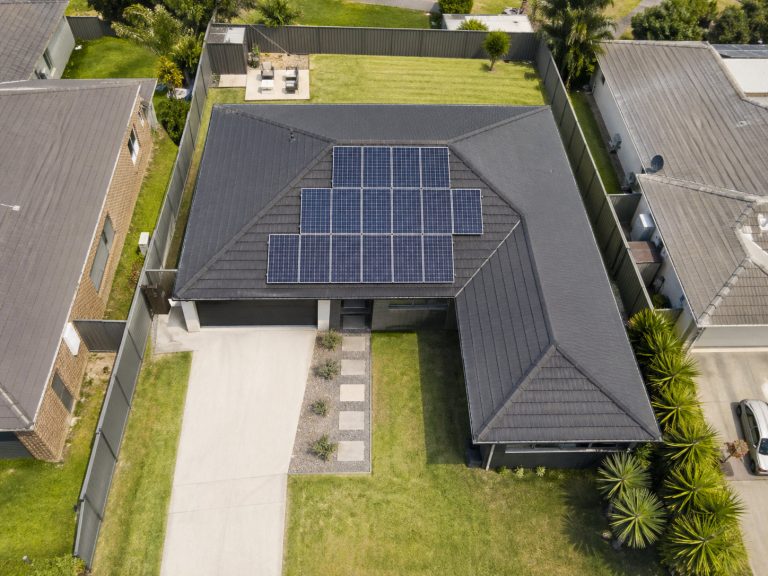
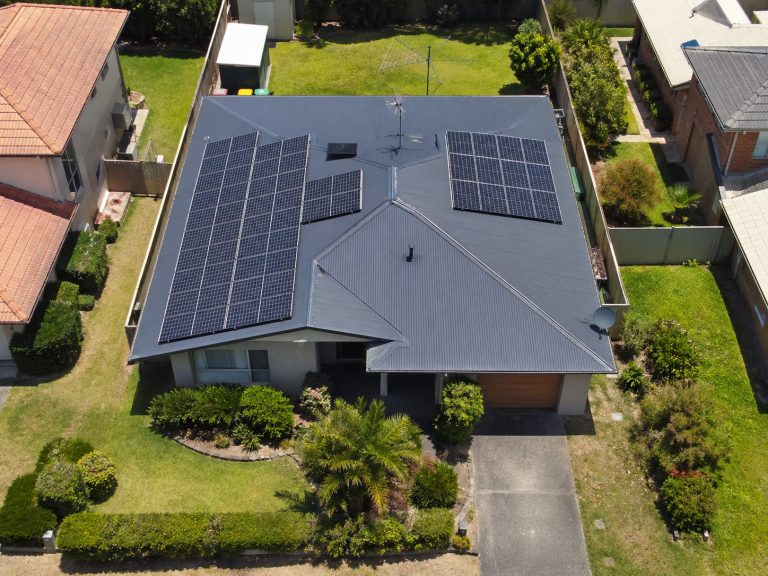
A solar panel is not the roof. It is a second surface sitting above the roof. The panel takes the direct sun first. The roof below sits in shade for much of the day, and in a normal rack-mounted system, air moves between the two surfaces.
Hot Panels Do Not Mean Hot Shingles
Solar modules run hotter than the outdoor air when the sun is strong. That is normal. Under common test conditions, module cell temperature is often referenced around 45°C, give or take a couple of degrees. That number explains why a panel can feel hot. It does not tell you the shingle temperature under the array.
This distinction matters. A homeowner may touch the edge of a hot panel or see a heat image of a solar array and assume the roof is being cooked. Usually, the opposite is happening under the panel: the roofing is getting less direct sun than it did before.
When the Answer Changes
The answer is less clear when airflow is poor. A raised rack with open edges is different from a very low-profile system pressed close to the roof. Flush-mounted or roof-integrated designs can hold more heat because the back of the panel does not ventilate as freely.
Nighttime is the other caveat. During the day, panels shade the roof. After sunset, the same panels can reduce how freely the covered roof area radiates heat to the open sky. That does not make solar a roof-heating problem. It just means the honest answer is more specific than “solar always cools the roof.”
Why Panels Feel Hot
Solar panels are built to absorb sunlight. Some of that sunlight becomes electricity. Some becomes heat. On a clear summer day, a panel surface can feel uncomfortably hot. That part is real.
Panels Absorb Sunlight First
Before solar, sunlight hits the roof covering directly. After solar, the panel takes that exposure first. The covered shingles, tiles, or metal roof below the array are shaded through the hottest part of the day.
That is why roof heat flow can drop under an array. Published roof-shading studies have reported reductions around 38% to 41.7% in heat reaching or moving through the roof assembly after solar was installed. Those numbers should be treated as study results, not a promise for every roof. But they are strong enough to bust the basic myth.
The Air Gap Matters
The space under the panel is not a minor detail. It is one of the main reasons a roof under solar can stay cooler. Air moving through that space carries heat away instead of letting it sit against the roof.
Raised rack-mounted systems usually do this better than tight, flush systems. Sloped roofs can help too, because warm air naturally moves upward behind the panels. In still air, with very little clearance, or with roof-integrated products, the cooling benefit can be weaker.
In the field, I do not judge this by how hot the panel feels. I look at the mounting height, whether the array edges are open, and whether the homeowner is really dealing with roof heat or an attic ventilation problem.
Tilted Panels Cool Better
Tilt helps. It gives warm air a path to rise and escape behind the modules. That rear ventilation is good for the panel and good for the shaded roof surface below it.
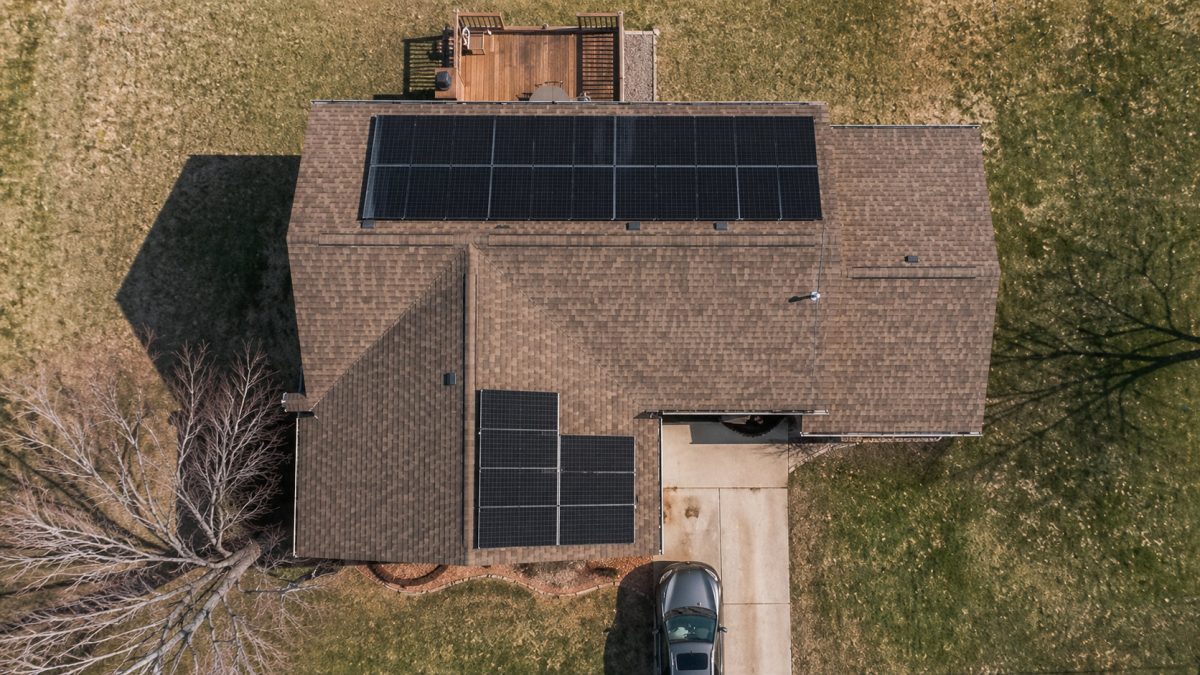
Still, no one should oversell this. Wind exposure, roof shape, array layout, and surrounding obstructions all affect the result. The safe practical rule is this: a raised and ventilated array is the setup most likely to reduce daytime roof heat under the panels.
Panel Temperature Is Not Roof Temperature
Panel temperature, roof-surface temperature, and attic temperature are three different things. Treating them as one number creates bad decisions.
A hot module may be doing exactly what it is supposed to do: absorbing the sunlight that used to hit the roof. The roof below may be cooler, while the attic below that roof may still be warm because of insulation, ventilation, or air-sealing problems.
Daytime Roof Temperature
During sunny hours, a rooftop solar array works a lot like a shade structure. That is the main reason panels usually reduce heat on the roof area they cover.
Panels Shade the Roof Surface
A shaded shingle does not take the same solar load as an exposed shingle. This is especially important on dark roofs and roof planes that get strong afternoon sun.
West-facing and south-facing roof areas can get punished in hot climates. If those areas are covered by solar, the roof surface below the array usually sees less direct heat. The panels may be hot. The roof underneath is often protected from the worst of the sun.
Heat Transfer Drops 38% to 41.7%
Research on rooftop solar shading gives useful benchmarks. One UC San Diego study measured about 38% less heat reaching the roof under solar panels. Another rooftop PV shading study reported heat flux reductions around 41.7% after panels were installed.
Do not use those figures as a job-site guarantee. A two-story asphalt-shingle home in Arizona, a tile roof in Florida, and a low-slope roof in the Midwest will not behave exactly the same way. The value of the data is directionally clear: under normal raised solar arrays, the covered roof often receives less daytime heat, not more.
| Condition | Likely Daytime Roof Effect | Reason |
|---|---|---|
| Raised rack-mounted panels | Cooler roof surface below array | Shade plus airflow below panels |
| Tilted panels with open edges | Stronger cooling potential | Warm air can move out more easily |
| Flush or very low-clearance panels | Weaker cooling effect | Reduced rear ventilation |
| Partially covered roof | Localized cooling only | Uncovered roof still absorbs direct sun |
| Poor attic ventilation | Roof may be shaded, attic may still feel hot | Indoor comfort depends on the whole roof assembly |
The table shows the part that gets missed in simple answers. Solar does not magically cool the entire roof. It mainly changes the covered area. Exposed roof sections still act like exposed roof sections.
Peak Sun Has the Biggest Effect
The difference is greatest when the sun is strongest. Midday and afternoon are when exposed roofing absorbs the most heat, so that is when shading from panels matters most.
On cloudy days, early mornings, and late evenings, the temperature difference is smaller. There is simply less solar load to block. That is why some homeowners notice little comfort change even though the roof surface under the panels is receiving less heat.
Panel Coverage Sets the Limit
A small solar array only shades a small part of the roof. The benefit is real, but it is local. If panels cover one section of a roof plane, the uncovered sections still absorb sun and continue adding heat to the roof assembly.
This is where sales claims can get sloppy. Solar panels may reduce heat under the array. They should not be presented as a whole-house cooling system. The attic, ceiling insulation, roof color, air leaks, and local climate still matter.
Nighttime Heat Behavior
The daytime story is straightforward. Nighttime is more nuanced. Panels can reduce heat gain during the day and still slow heat release from the covered roof area after sunset.
Panels Can Slow Night Cooling
An uncovered roof can radiate heat toward the open sky at night. A roof section covered by panels has another surface above it, so it may not cool in exactly the same way.
That can leave the covered roof area warmer after sunset than it would be if it were fully exposed. This is not a reason to panic. It is just the reason the best answer is not “solar panels cool your roof all the time.”
Daytime Cooling Usually Dominates
In hot, sunny weather, daytime shading is usually the larger factor. The roof avoids hours of direct solar exposure under the array. That is a meaningful reduction in heat load.
The nighttime effect matters more when a house already holds heat badly. Hot top-floor rooms, weak insulation, blocked attic vents, and poor air sealing can all make the home uncomfortable after sunset. Solar may not be the cause, but it may not be the fix either.
When Night Heat Matters
Night heat becomes more noticeable when the roof and attic assembly cannot dump heat well. If soffit vents are blocked, ridge exhaust is weak, or insulation is thin, the upstairs may stay warm no matter what the panels are doing.
That is why diagnosis matters. Blaming the new solar array is easy. Checking the attic is usually more useful.
Practical Decision Criteria
For a homeowner, the decision should not be based on fear of hot panels. It should be based on the actual roof setup: airflow, coverage, mounting type, and attic condition.
Good Sign: Raised Racking
Raised racking is a good sign. It leaves space between the panel and the roof, and that space lets heat move instead of being trapped.
Most standard rooftop systems use some form of raised mounting. The exact clearance depends on the product and roof. Do not get hung up on one magic number. The principle is what matters: open airflow is better than a tight, sealed cavity.
Good Sign: Sunny Roof Coverage
The shading benefit is strongest where the roof gets the most sun. If the array covers the roof plane that used to bake every afternoon, the covered surface will usually see a real reduction in daytime heat exposure.
That does not mean panels should be placed only for cooling. Production still drives layout. But when the best production plane is also the hottest roof plane, the homeowner gets a useful side benefit.
Caution Sign: Low Clearance
Very low-clearance systems need a closer look. They may still shade the roof, but they do not ventilate as well behind the modules.
This matters most with roof-integrated solar products or designs that sit tight to the roof. They are not automatically wrong. They just should not be described the same way as a raised, open rack system.
Caution Sign: Poor Attic Ventilation
A shaded roof will not fix a bad attic. If attic ventilation is poor, insulation is thin, or ceiling penetrations leak air, the upstairs can stay hot even after solar is installed.
That is a common complaint after installation: “The panels are supposed to cool the roof, so why is my room still hot?” Because roof shading is only one part of the heat path. The attic and ceiling assembly still have to do their jobs.
Caution Sign: Exposed Dark Roofing
Dark uncovered roofing around the array can still absorb a lot of heat. This is especially true on broad exposed sections that face afternoon sun.
A partial array should be treated as partial shade. It helps where it covers. It does not change the thermal behavior of the exposed roof around it.
- Check whether panels are raised above the roof surface.
- Look for open airflow paths around array edges.
- Separate panel heat from attic comfort complaints.
- Ask whether the system is flush-mounted or roof-integrated.
- Do not assume uncovered roof areas receive any cooling benefit.
Roof and Attic Effects
The roof and attic are connected, but they are not the same thing. Solar can reduce heat at the covered roof surface while the attic still runs hot for unrelated reasons.
Roof Surface Is Usually Cooler
The covered roof surface is usually cooler during sunny periods because it is shaded. That is the central answer to the question.
But be precise. The roof surface under the array is the area being discussed. The rest of the roof may still be fully exposed, especially if the array only covers one plane or one portion of a larger roof.
Attic Temperature May Improve
Attic temperature may improve when solar shades a large, sun-exposed roof area. Homes with heavy afternoon sun on the roof can benefit most from that shading effect.
But the attic result is not guaranteed. A well-insulated ceiling may already block much of the heat. A poorly ventilated attic may still hold heat late into the evening. Solar helps reduce roof solar load; it does not rebuild the attic system.
Cooling Bills May Shift Slightly
Some homes may see a small cooling benefit because less heat enters through the covered roof area. The size of that benefit depends on the house, not just the panels.
This should not turn into a payback claim. The main financial value of solar comes from electricity production. Roof cooling is a side effect, not the main product.
Panels May Protect Covered Roofing
Panels can shield the covered roofing from direct sun and some weather exposure. Less UV and less direct heat cycling may be helpful for the material under the array.
Still, do not oversell it. Roof life depends on age, installation quality, drainage, flashing, ventilation, and material condition. Solar shading alone does not prove the roof will last longer.
Risks and Mistakes
The biggest risk is usually not that solar will overheat the roof. The bigger risk is making a bad decision from a misunderstood symptom. People reject solar because the panels are hot. Or they approve solar expecting it to fix an attic problem. Both can be wrong.
Mistake: Reading Panel Heat Wrong
A hot panel surface is normal. It does not prove the shingles below are overheating.
The financial consequence is real, even if it is indirect. A homeowner may walk away from a good solar layout because of a false heat concern. A buyer may overreact to an existing solar system on a home because they confuse module heat with roof damage.
Mistake: Ignoring the Air Gap
The air gap is not cosmetic. It affects how heat moves behind the array. With open space, heat can leave. With tight clearance, heat has fewer paths out.
The risk is usually not an instant repair bill. It is a bad expectation. A homeowner expects the same roof-cooling behavior from a tight assembly that they read about in a study of a ventilated rooftop system.
Mistake: Expecting Ventilation Fixes
Solar panels do not replace attic ventilation. They do not add insulation. They do not seal ceiling leaks.
If the attic is the problem, spending time blaming the solar array can delay the actual fix. That can mean more comfort complaints, more service calls, and money spent chasing the wrong cause.
| Expectation | Reality | Decision Impact |
|---|---|---|
| Hot panels mean hot roof | Panel temperature is not roof temperature | Do not reject solar based on panel heat alone |
| Solar cools the whole house | Cooling is mainly below covered roof areas | Check attic and insulation separately |
| Cooling happens all day and night | Nighttime heat release can be slower | Avoid overclaiming comfort benefits |
| All mounting styles behave alike | Air gap and ventilation matter | Review low-clearance designs carefully |
The practical takeaway is blunt: do not diagnose the roof by touching a panel. Look at the roof assembly. The panel can be hot, the shaded roofing below can be cooler, and the attic can still need work.
Limitation: Roof Type Varies
Roof material changes the baseline. Dark asphalt, light reflective roofing, clay tile, concrete tile, and metal all absorb and release heat differently.
That does not weaken the main point. It just keeps the claim honest. Solar shading can reduce direct heat on the covered roof area, but the exact temperature change depends on the roof and climate.
Limitation: Heat Also Affects Output
Hot panels can produce a little less power than cooler panels. That is a production issue, not proof that the roof is overheating.
Keep those two topics separate. A panel can lose some efficiency in heat while still shading the roof below it.
Myth-Busting Verdict
Solar panels usually do not make the roof underneath hotter. For a typical raised rooftop array, the covered roof area receives less direct daytime sun and often less heat.
Usually No
For standard rack-mounted systems with airflow under the panels, the roof area below the array is usually cooler during sunny hours than it was when exposed. The 38% heat-reduction figure from rooftop research is a useful benchmark, not a universal promise.
That is enough to answer the myth clearly. Hot panels do not automatically mean hot roofing.
Sometimes Slightly at Night
At night, the covered roof area may cool more slowly because the panel sits above it. That is the main exception.
The most accurate wording is this: solar panels usually reduce daytime heat gain on the roof area they cover, but they can change nighttime heat release. That is a lot more useful than a simple yes or no.
The Best Decision Rule
Look at airflow, coverage, and attic conditions. A raised, ventilated array over a sunny roof plane is usually a favorable setup from a roof-heat standpoint.
A tight mounting design, roof-integrated product, or home with a known attic heat problem deserves a more careful review. Not because solar is automatically risky, but because the roof assembly matters.
FAQ
Do solar panels make shingles hotter?
Usually no. Shingles under a raised solar array are shaded from direct sun, so they generally receive less daytime heat than exposed shingles. The panel itself may be hot, but that is not the same as the shingle temperature below it.
Why are solar panels hot if they cool the roof?
The panel absorbs the sunlight first. Some of that energy becomes electricity, and some becomes heat. Because the panel takes the direct exposure, the roof below it is shaded from much of the sun.
Can solar panels make my attic hotter?
They usually reduce daytime heat entering through the covered roof area, but attic temperature depends on ventilation, insulation, and air sealing. If the attic already has problems, solar panels may not fix the comfort issue.
Do panels help keep a house cooler?
They can help a little by reducing heat gain through the roof area they cover. The effect is most noticeable on hot, sunny roof planes with broad panel coverage. It should not be treated as a replacement for insulation or attic ventilation.
Are panels bad for roofs in hot climates?
Not because of normal panel heat alone. In hot climates, a raised and ventilated solar array can shade the roof during the hottest hours. The important details are mounting clearance, airflow, roof condition, and attic ventilation.